
WASHINGTON, APRIL 16, 2026 —
President Donald Trump declared Wednesday that the U.S.-Iran war is “very close to over” and that Tehran “wants to make a deal very badly” — the most optimistic public language from the administration since peace talks collapsed in Islamabad last weekend — as Pakistani military leadership landed in Tehran carrying a new diplomatic proposal aimed at relaunching negotiations before the fragile two-week ceasefire expires on April 21.
The comments, made in a prerecorded interview broadcast Wednesday on Fox Business Network, came as multiple diplomatic tracks advanced simultaneously — with American, Pakistani, Iranian, and Turkish officials all working toward a second round of direct talks that President Trump himself suggested could come as soon as within the next two days.
What Changed This Week
The tone of the conflict shifted measurably on Wednesday. After the failed Islamabad talks last Saturday and the chaotic 48 hours that followed — featuring a U.S. naval blockade announcement, Iranian military alerts, and oil prices spiking above $100 — the conversation between Washington and Tehran appears to have stabilized into something closer to negotiation.
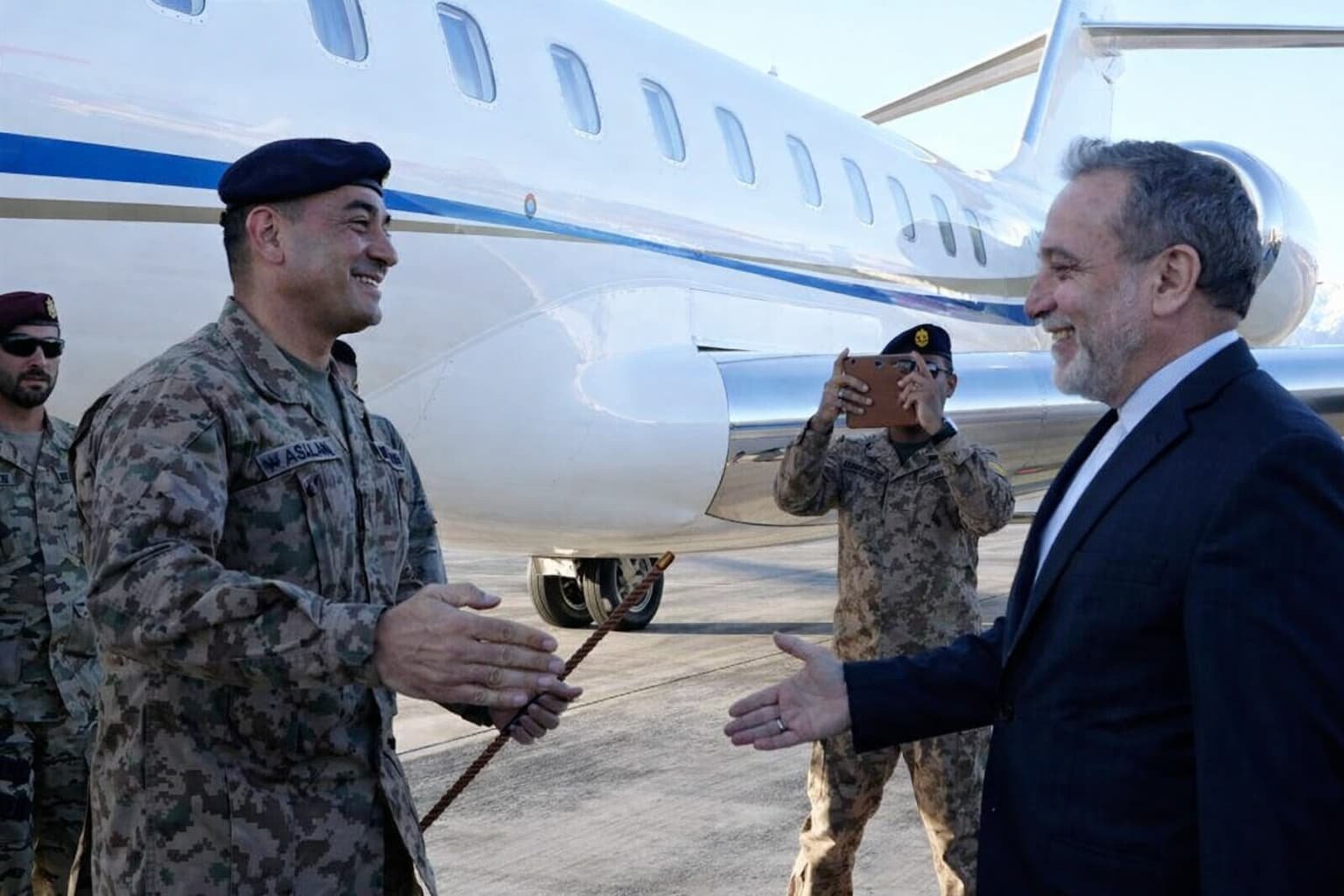
A Pakistani military delegation led by Army commander Field Marshal Asim Munir arrived in Tehran Wednesday carrying a new message from the Trump administration. Pakistan has emerged as the indispensable intermediary in this conflict — the only party trusted by both sides to carry proposals accurately and without political distortion. Munir’s direct travel to Tehran, following his central role in the original ceasefire negotiations, signals that Islamabad is treating this diplomatic moment with the highest level of seriousness.
The Associated Press, citing regional officials, reported Wednesday that the U.S. and Iran had reached an “in principle agreement” to extend the ceasefire — a report that immediately moved oil prices lower and boosted stock markets. A senior U.S. official subsequently told reporters that Washington had not formally agreed to a ceasefire extension, clarifying that discussions were ongoing but no binding commitment had been made. The markets absorbed the clarification without dramatic reversal, suggesting traders believe a deal framework is genuinely in progress.
Iran’s Financial Crisis Is Increasing Pressure to Deal
Behind the diplomatic choreography, a harder reality is tightening the window for Iran. The U.S. naval blockade of Iranian ports — now in its fourth day — has effectively zeroed out Iran’s oil export revenue. Iran normally exports approximately 1.5 million barrels of oil per day, generating roughly $140 million in daily income that funds its government, military, and social programs.
With the blockade cutting that to essentially nothing, and with six weeks of war having destroyed significant military infrastructure, Iran’s economic position has deteriorated sharply. U.S. officials described it bluntly in background comments: Iran has no money. Its foreign currency reserves have been drawn down through weeks of military operations and economic disruption. The combination of the U.S. blockade, the collapse in oil revenue, and the ongoing costs of the war is creating the kind of financial pressure that, historically, moves governments toward compromise.
Iran’s parliamentary speaker and lead negotiator in Islamabad last week publicly framed the talks as having come close to a memorandum of understanding before breaking down. The Foreign Minister described the situation as “inches away” from agreement before what he characterized as American maximalism and shifting demands broke the momentum. Whether that framing is accurate or strategic, it acknowledges that a framework exists to work from.
The Remaining Gaps — And What a Deal Might Look Like
The core divisions that ended the Islamabad talks have not been resolved. But the shape of a potential deal is becoming clearer from the diplomatic signals emerging through multiple intermediaries.
On the nuclear question — the issue that ultimately broke the talks — the U.S. insists on a binding, verifiable commitment from Iran to permanently forgo nuclear weapons and dismantle enrichment capacity. Iran insists on its right to enrich uranium for civilian purposes and will not accept what it characterizes as the surrender of sovereign rights as a precondition. The emerging discussion appears to involve a phased framework in which Iran takes verifiable partial steps on enrichment — diluting highly enriched uranium stocks or allowing international monitoring of specific facilities — in exchange for initial sanctions relief, with a permanent resolution negotiated over a longer horizon.
On the Strait of Hormuz — Iran’s primary economic and strategic leverage — the U.S. demands full and unconditional reopening. Iran wants international recognition of its role in managing the Strait as part of any final settlement. The working proposal appears to involve Iran taking concrete steps to reopen traffic during a ceasefire extension, with full reopening tied to the parameters of a permanent deal.
If a framework agreement is reached, both sides agree the ceasefire would need to be extended well beyond April 21 — possibly by 30 to 45 days — to allow the detailed negotiations that a comprehensive deal would require.
Oil Markets and American Consumers
Oil prices fell Wednesday on the ceasefire extension reports before partially recovering after the U.S. official’s clarification. Brent crude settled near $95 a barrel — still far above the $75 pre-war price, but down from the $103 spike that followed Sunday’s blockade announcement.
For American consumers, the calculation is direct: every dollar Brent crude falls from its current level translates to roughly a 2 to 3 cent per gallon reduction in gasoline prices after a lag of several weeks for the supply chain to adjust. Gas prices nationally averaged $4.12 per gallon as of this week. A durable ceasefire extension and genuine progress toward a deal could bring prices below $4 for the first time since the war began — but only if the Strait reopens to meaningful traffic flow and markets trust the diplomatic track enough to price in sustained supply recovery.
The next 72 hours are likely decisive. If a second round of talks is scheduled and begins before the April 21 ceasefire expiry, the momentum shifts firmly toward de-escalation and the ceasefire is almost certain to be extended. If talks fail to materialize before the deadline, the Trump administration faces the choice between allowing the ceasefire to lapse — potentially triggering renewed bombardment and another catastrophic oil price spike — or unilaterally extending it without a deal framework, which would weaken American negotiating leverage.