
ISLAMABAD / WASHINGTON, April 23, 2026 —
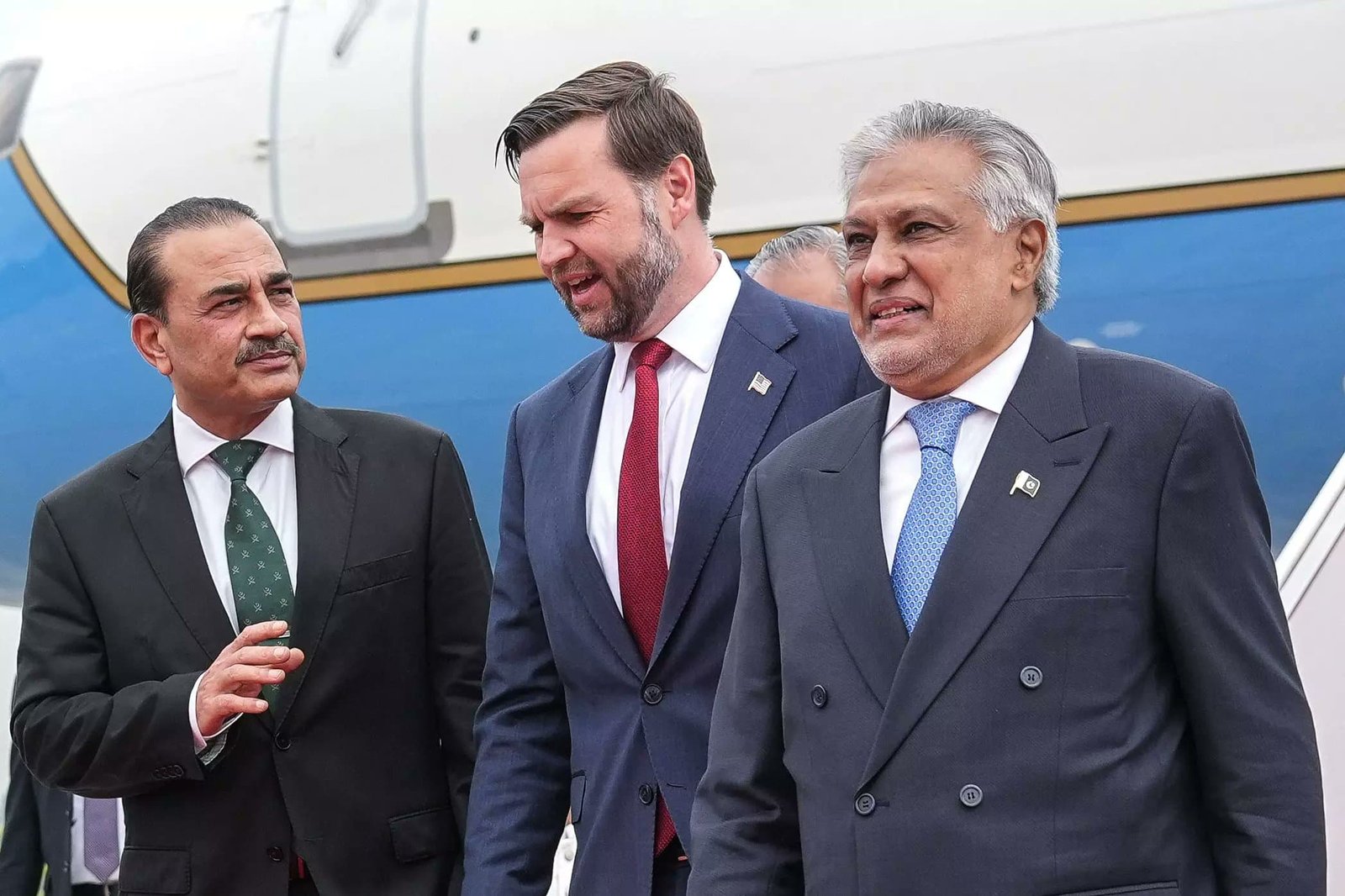
A second round of direct U.S.-Iran negotiations — which could determine whether the fragile Middle East ceasefire holds or collapses — remains in a state of suspension Thursday, with Vice President JD Vance’s trip to Islamabad described as a “holding pattern” and Tehran publicly refusing to confirm it will send a delegation.
The breakdown in diplomatic momentum came less than 24 hours after President Trump extended the ceasefire indefinitely, saying he was giving Iran’s leadership time to “come up with a unified proposal.” Trump met with Vance, special envoy Steve Witkoff, and Jared Kushner at the White House to discuss next steps, with sources stressing the situation remained “incredibly fluid.
What Happened at the First Round in Islamabad
The first Islamabad Talks, held on April 11 and 12, lasted 21 hours across three rounds of negotiations. The 300-member U.S. team was led by Vance, Witkoff, and Kushner. Iran’s 70-member team was led by parliamentary speaker Mohammad Bagher Ghalibaf and Foreign Minister Abbas Araghchi. Pakistan served as mediator, with Prime Minister Shehbaz Sharif and Field Marshal Asim Munir playing central roles.
The talks ended without an agreement. Iran’s state broadcaster blamed “excessive demands” by the U.S., saying the sides could not find common ground on the Strait of Hormuz or Iran’s nuclear program. Araghchi, Iran’s foreign minister, claimed the sides were “inches away from an MoU” before the U.S. delegation shifted positions. The White House disputed that characterization.
Why Iran Has Not Confirmed a Second Delegation
Iran’s state broadcaster said no Iranian diplomatic delegation “be it a primary or secondary team” had traveled to Islamabad, while an Iranian source told reporters there were “strong indications” a delegation could still travel, with security considerations remaining central to any decision.
The U.S. naval blockade of Iranian ports — which Tehran calls a ceasefire violation — is the central sticking point. Iranian Foreign Minister Araghchi posted that “blockading Iranian ports is an act of war and thus a violation of the ceasefire,” adding that seizing a commercial vessel and “taking its crew hostage” constituted an even greater violation. Washington has rejected that framing, with the White House press secretary calling the blockade “massively effective” and continuing to apply maximum economic pressure.
What a Deal Would Actually Require
| Unresolved Issue | U.S. Position | Iran’s Position |
|---|---|---|
| Strait of Hormuz | Full reopening as precondition | Linked to lifting of naval blockade |
| Nuclear program | Iran must halt enrichment | Non-negotiable sovereign right |
| Frozen assets | Phased release tied to compliance | Full upfront release demanded |
| Enriched uranium | Must be transferred out of Iran | Retaining it as a negotiating chip |
Pakistani officials have been referring to the engagement as the “Islamabad process,” framing it as an ongoing diplomatic track rather than a single round of talks — a signal that Islamabad intends to preserve its mediating role regardless of whether Vance lands Thursday or next week.
The Stakes If Talks Collapse
Resuming flows through the Strait of Hormuz remains the single most important variable in easing pressure on energy supplies, prices, and the global economy. With roughly 20% of the world’s seaborne oil still effectively bottled up, every day without a deal pushes the energy shock deeper into global supply chains — and into American gas prices.
Trump said Wednesday he expected “a great deal” and that Iran had “no choice.” Iran’s negotiators have said the same thing in reverse. Both sides, for now, are watching Islamabad’s empty conference rooms and waiting.