
WASHINGTON, April 23, 2026 —
Key Takeaways
- Gas prices hit $4 per gallon by March 31, as the war with Iran triggered a 30% surge in prices — and oil industry executives now warn that 1 billion barrels of cumulative production will be lost due to the conflict.
- Brent crude surged more than 55% since the Iran war began, hitting nearly $120 a barrel at its peak — with March marking one of the largest single-month oil price jumps on record.
- Current U.S. tariffs — stacked on top of the energy shock — will cost the average American household between $760 and $940 in lost purchasing power, according to the Yale Budget Lab.
How the Strait of Hormuz Became Every American’s Problem
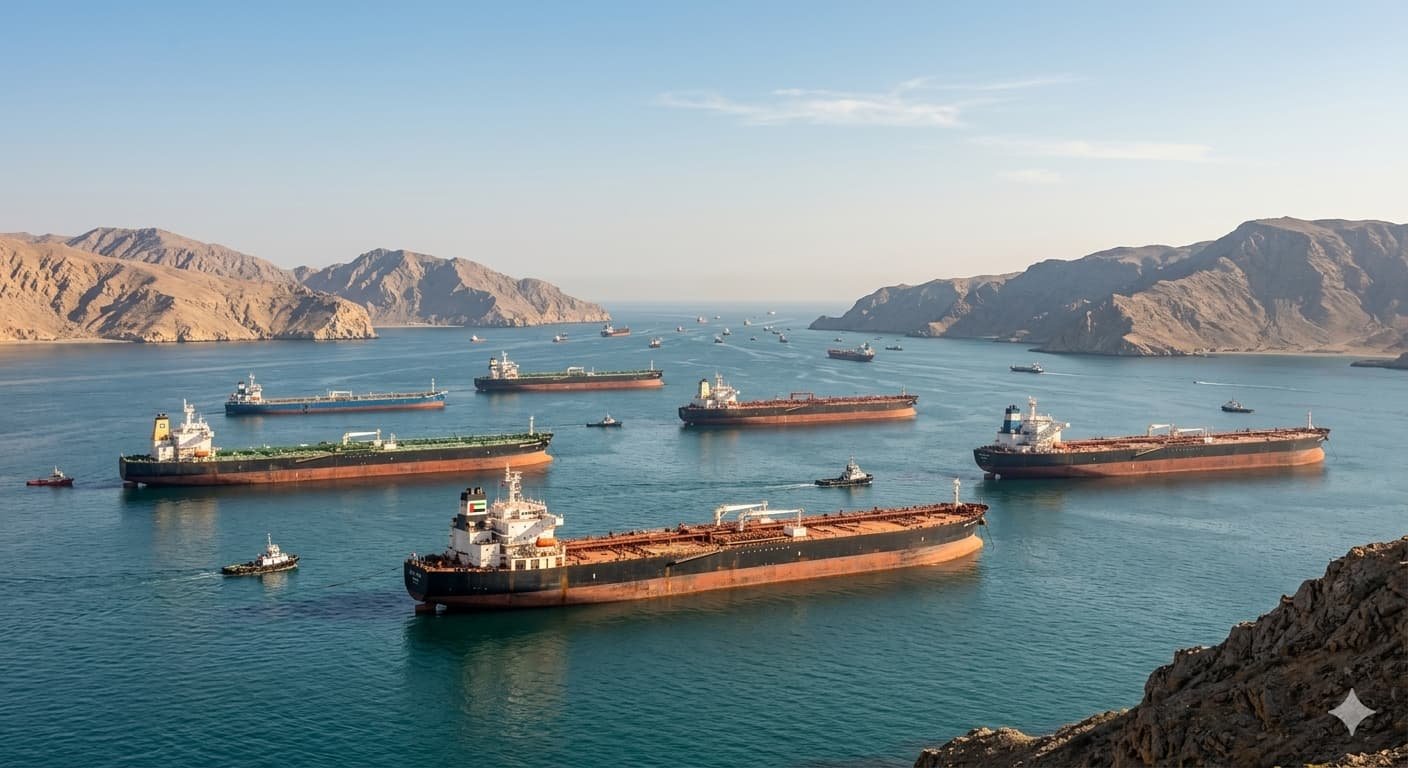
Americans do not live near the Persian Gulf. But their wallets do. The closure — and now the controlled, contested partial reopening — of the Strait of Hormuz has sent ripple effects through every layer of the domestic economy, from fuel to freight to food prices.
In early April, shipments through the Strait remained severely restricted, with loadings of crude, natural gas liquids, and refined products averaging around 3.8 million barrels per day, compared with more than 20 million barrels per day in February ahead of the crisis. That is an 81% collapse in throughput from one of the world’s most critical energy chokepoints — and markets have priced in every barrel of that loss.
What the Oil Shock Looks Like in Real Numbers
| Metric | Pre-War (Feb 2026) | Peak Crisis (Mar 2026) | This Week |
|---|---|---|---|
| Brent crude price | ~$72/barrel | ~$120/barrel | ~$90/barrel |
| U.S. gas price (avg.) | ~$3.10/gallon | ~$4.00/gallon | Elevated |
| Strait throughput | 20+ mb/day | Near-zero | ~3.8 mb/day |
| Gulf oil production loss | — | 10+ mb/day | Recovering slowly |
A brief ceasefire brought Brent below $91 as Iran briefly declared the Strait open — a 9% single-day drop — but prices jumped again within days as Iran re-imposed control and vessels were fired upon. Commodity analysts describe the current $80–$90 Brent range as a floor, not a ceiling, given the structural damage to Gulf infrastructure.
What It Is Costing Beyond the Gas Pump
Jet fuel in North America has spiked 95% since the war began, causing multiple airlines to raise prices for checked baggage. Shipping services including the United States Postal Service, Amazon, and FedEx have implemented fuel surcharges. Those costs do not stay on corporate balance sheets — they pass through to consumers.
The energy shock compounds an economy already absorbing an aggressive tariff regime. The U.S. average effective tariff rate currently stands at 11.0%, the highest since 1943, with the Yale Budget Lab estimating a persistent long-run reduction in U.S. GDP of roughly $30 billion annually in 2025 dollars.
At $170 a barrel oil, Bloomberg Economics projects a stagflationary shock that could shift the path ahead for central banks and potentially alter the outcome of the U.S. midterm elections. Current prices have not reached that threshold, but the trajectory is the core risk that the Federal Reserve is now watching alongside its inflation mandate.
What This Means for the Fed — and Your Borrowing Costs
The Federal Reserve, which cut rates three times in late 2025, faces a narrowing window for further easing. Energy-driven inflation directly conflicts with the case for rate cuts. The S&P 500 is up 4.23% year-to-date through April 20, 2026, as consumer spending and earnings have held up — but markets remain sensitive to any signal that oil prices could spike again.
Your Household’s Exposure, by Category
| Expense Category | Impact | Severity |
|---|---|---|
| Gasoline | Up ~30% since February | High |
| Airfare | Higher fuel surcharges | Medium-High |
| Shipping/delivery fees | Fuel surcharges added | Medium |
| Grocery prices | Freight cost pass-through | Medium |
| Home heating oil | Elevated | High (Northeast) |
| Mortgage rates | Fed rate-cut window narrowing | Medium |
For the global economy broadly, the shock from the Iran war has already begun — echoing the 1970s energy crisis through supply shortages, currency volatility, inflation, and heightened risks of stagflation and recession. Whether it reaches that scale depends almost entirely on whether Vance and Iran’s negotiators can find their way into the same room in Islamabad.
The most direct protection available to American households is straightforward: reduce discretionary driving, lock in home energy rates before winter pricing sets in, and review any variable-rate debt before the Fed signals a rate pause that could outlast current expectations. The global crisis is still live. Its economic bill is still climbing.