
WASHINGTON, APRIL 17, 2026 —
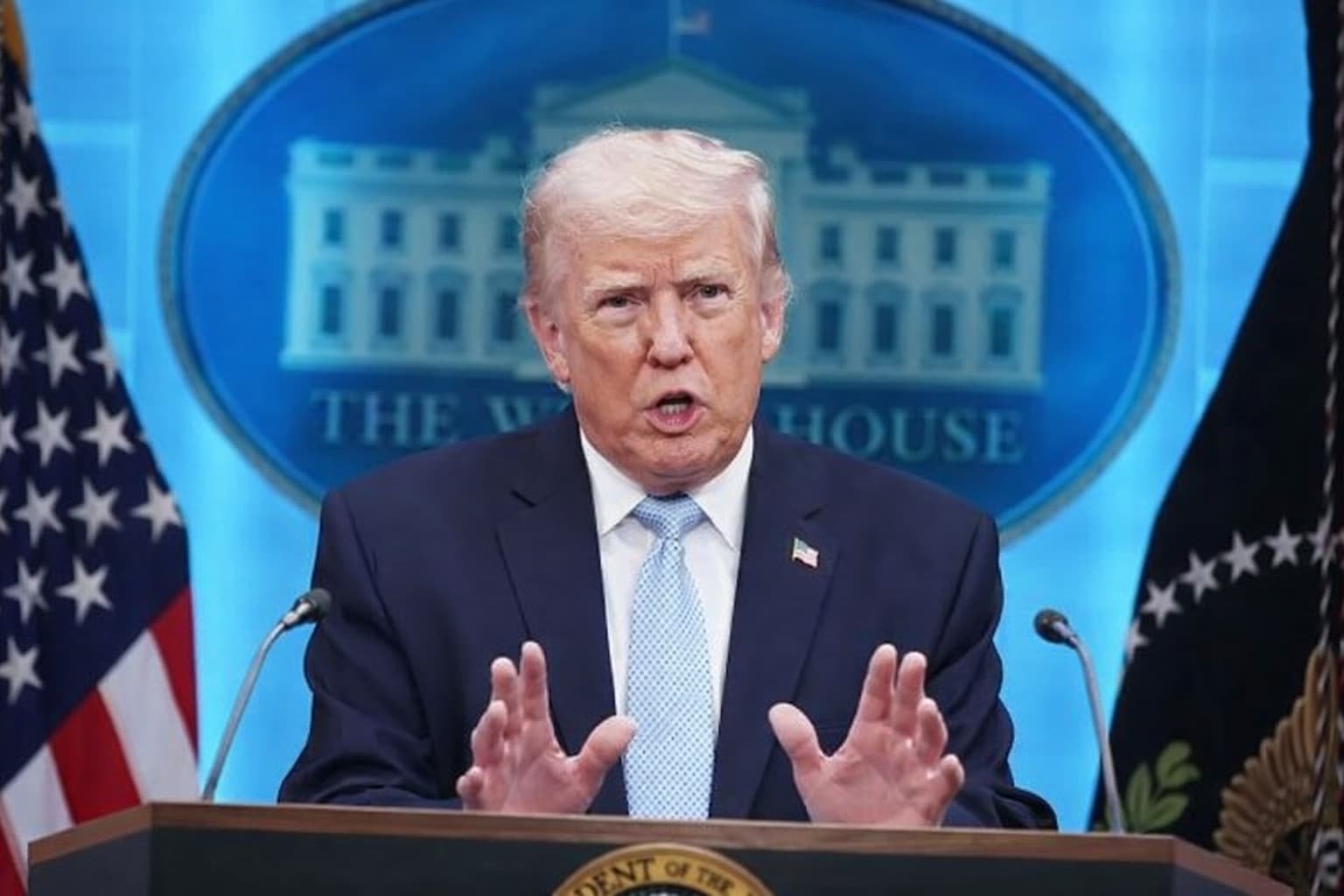
President Donald Trump announced early Thursday that Israel and Lebanon have agreed to a 10-day ceasefire, ending weeks of intense Israeli bombardment in Lebanon and opening the door to the first direct peace negotiations between the two countries in a generation — a diplomatic breakthrough that could reshape the broader regional conflict even as the U.S.-Iran war itself remains unresolved.
The ceasefire between Israel and Lebanon — brokered through direct American diplomacy by Secretary of State Marco Rubio — takes immediate effect Thursday and covers all hostilities between the Israeli military and Hezbollah, the Iranian-backed militant group that has been fighting Israel inside Lebanon since the broader Iran war began in late February.
More than 2,100 people have been killed in Lebanon since Israeli strikes began in March. The ceasefire is the first formal agreement between Israel and Lebanon in decades.
How the Deal Came Together
The path to Thursday’s agreement moved quickly once the diplomatic mechanism was in place. Secretary of State Rubio held a trilateral meeting earlier this week with the Israeli and Lebanese ambassadors to the United States — the first direct diplomatic session between the two nations in decades — at the State Department in Washington. Both sides agreed to continue talks.
Trump then worked the phones. He spoke with Israeli Prime Minister Benjamin Netanyahu the night before the announcement, securing his agreement to the ceasefire terms. Rubio called the president of Lebanon, who also agreed. A second round of calls Thursday morning between Trump and both leaders finalized the agreement. The State Department simultaneously drafted a memorandum of understanding formalizing the ceasefire terms.
Trump posted the announcement Thursday morning, describing a deal that opens the possibility of normalizing diplomatic relations between Israel and Lebanon — something that has not existed in the modern history of either state. The United Nations Secretary-General welcomed the ceasefire immediately, urging both sides to respect it fully and expressing hope it would “pave the way for negotiations towards a long-term solution.”
Why This Matters for the Broader Iran War
The Israel-Lebanon ceasefire is directly linked to the larger U.S.-Iran war — and its success or failure will significantly shape the diplomatic environment around the April 21 expiration of the U.S.-Iran ceasefire.
One of the central Iranian demands throughout the war has been that any peace framework include Lebanon. Tehran has consistently argued that Hezbollah’s war in Lebanon is inseparable from the broader regional conflict, and that Iran cannot sign a deal with the United States while Israeli bombardment of its Lebanese ally continues. The U.S. and Israel had both rejected that framing, with Trump describing the Lebanon fighting as “a separate skirmish.”
By securing a ceasefire in Lebanon — on a separate, American-brokered diplomatic track — the Trump administration has potentially removed one of Iran’s most effective arguments for rejecting a comprehensive peace deal. If Israel and Lebanon are no longer exchanging fire, and if that ceasefire holds through the April 21 U.S.-Iran deadline, Tehran’s ability to use Lebanon as leverage in nuclear negotiations weakens considerably.
Iran’s parliamentary speaker, Mohammad Bagher Ghalibaf, said Thursday that Iran would approach the Israel-Lebanon ceasefire “cautiously,” stopping short of endorsing it while signaling he would not actively undermine it. Iran’s forensics chief confirmed Thursday that more than 3,300 people have been killed in Iran since U.S.-Israeli strikes began on February 28.
Hezbollah’s Reaction — and the Risk of Collapse
Hezbollah — the most powerful non-state military force in the Middle East and the central actor in Lebanon’s side of the ceasefire — did not publicly endorse the agreement Thursday, though a senior Hezbollah official told NBC News the group welcomed further talks.
The official credited Hezbollah’s military strength as the decisive factor that compelled Israel to agree to a ceasefire — a framing that preserves the group’s political standing domestically while accepting the pause in hostilities. The same official said Hezbollah’s weapons had “gained greater legitimacy” from the ceasefire, signaling that the group has no intention of surrendering or disarming as part of any agreement.
That position sits in direct tension with Israel’s stated objective. Netanyahu has previously declared his goal is to disarm Hezbollah and reach a peace agreement with Lebanon — two demands that Hezbollah has historically rejected as absolute red lines.
The 10-day window is narrow. Whether it holds depends on whether both the Israeli military and Hezbollah refrain from initiating new exchanges, whether the U.S. can maintain pressure on both sides simultaneously, and whether Iran views the Lebanon ceasefire as a confidence-building measure worth protecting or as an American maneuver to be undermined.
What Comes Next
The Trump administration has said publicly it hopes the Israel-Lebanon ceasefire will eventually lead to a permanent peace agreement and potentially normalized diplomatic relations — a historic outcome that would formally end a state of war that has existed for decades.
The more immediate stakes are the remaining five days before the U.S.-Iran ceasefire expires on April 21. Pakistani mediators, who remain the most active neutral party in the negotiations, are pushing for a second round of direct U.S.-Iran talks in Islamabad before that deadline. Trump said Wednesday he believed a deal was very close, and the White House has confirmed continued productive engagement with Iranian officials.
The Lebanon ceasefire, if it holds, gives both Washington and Tehran a cleaner diplomatic slate for the April 21 negotiation. The question of what Iran will agree to on its nuclear program — the core issue that collapsed the Islamabad talks last week — remains unchanged. But the regional backdrop has shifted overnight in a direction that makes compromise more politically feasible for all parties.
Oil prices fell Thursday morning on the news. Global stock futures moved higher. The path to ending the most disruptive geopolitical crisis since the COVID-19 pandemic is still narrow — but for the first time since the war began on February 28, it is more visible than it has been.