
ISLAMABAD, APRIL 10, 2026 —
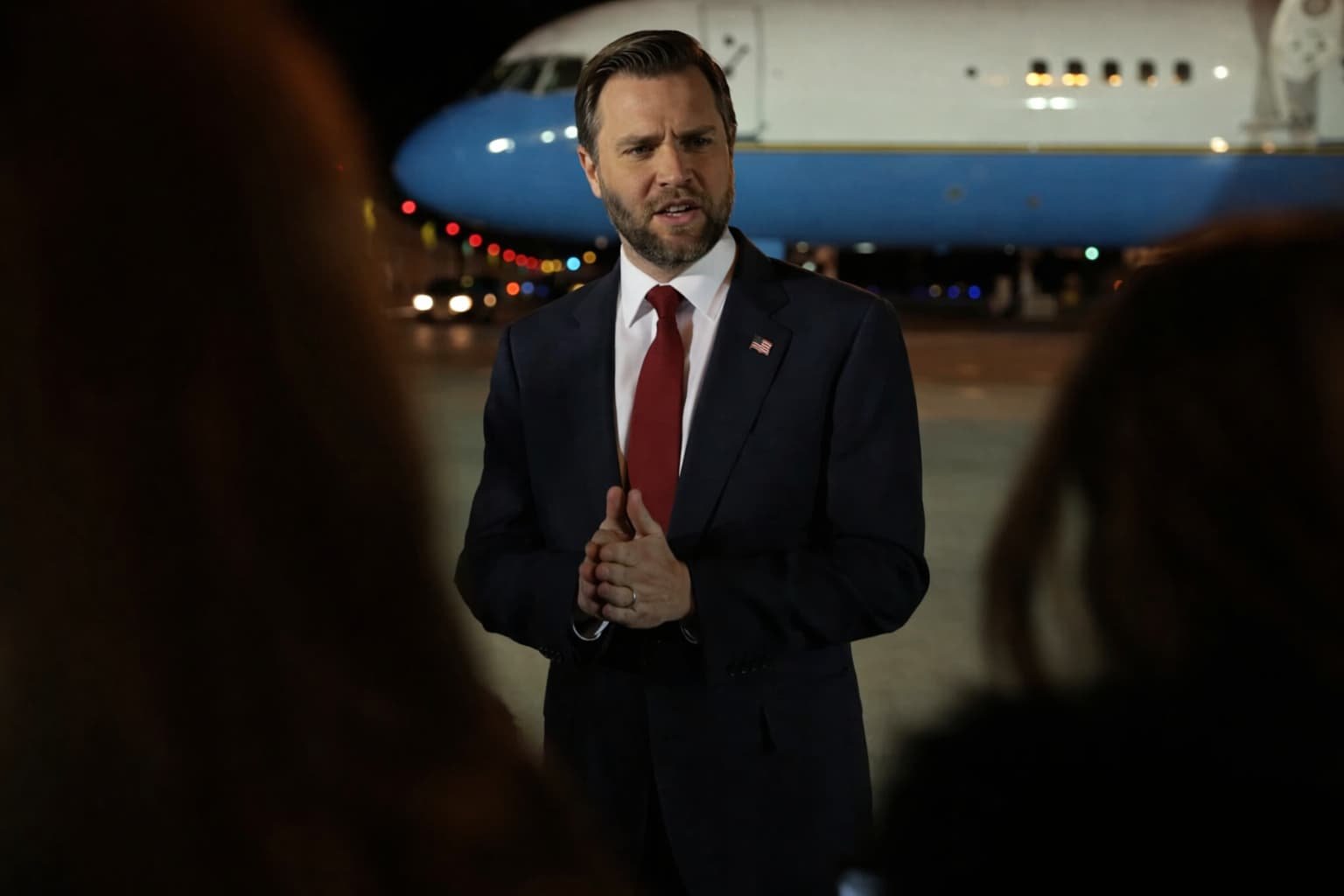
Vice President JD Vance arrived in Islamabad on Friday to lead the first direct diplomatic talks between the United States and Iran since the war began on February 28 — a moment that six weeks of bombing, a downed F-15, a CIA rescue mission, and a last-hour ceasefire brokered by Pakistan’s prime minister have all built toward.
The Islamabad talks represent the most significant diplomatic event of the Iran war. If they succeed, they lay the foundation for a permanent peace agreement that ends a conflict that has killed thousands, disrupted the global energy supply, pushed gas prices above $4 per gallon, and put the United States on the edge of what multiple allies warned was a war crime. If they fail, the two-week ceasefire expires — and the cycle of ultimatums, deadlines, and near-catastrophe begins again.
What Each Side Is Bringing to the Table
The two sides enter Islamabad with competing frameworks — both of which Trump has now endorsed simultaneously, creating some confusion about which document will govern the talks.
The U.S. 15-point plan has been the American framework since March. Its core demands include Iran surrendering its highly enriched uranium stockpiles, halting enrichment, curbing its ballistic missile program, ending support for regional proxy forces, and reopening the Strait of Hormuz permanently.
Iran’s 10-point plan — which Trump described Tuesday as a “workable basis” for negotiation — is structured very differently. It calls for a permanent halt to all US-Israeli aggression, international guarantees against future attacks, war reparations, an end to hostilities against Iran’s allies, and formal recognition of Iranian sovereignty over the Strait of Hormuz. Vice President Vance acknowledged Wednesday there are actually three different 10-point proposals circulating, contributing to confusion about what exactly Iran is proposing.
Islamabad Peace Talks — The Gaps
| Issue | US Position | Iran Position |
|---|---|---|
| Uranium enrichment | Iran must stop entirely | Iran’s “inalienable right” to enrich |
| Highly enriched uranium stockpile | Must be surrendered or destroyed | Will discuss under guarantees |
| Strait of Hormuz | Permanent full reopening | Iran retains sovereign control, may charge fees |
| Regional proxies (Hezbollah, Houthis) | Iran must end support | Non-negotiable — outside scope |
| War reparations | Not on the table | Required — Iran estimates billions in damages |
| US military bases in region | Remain | Must close |
| Sanctions | Phased relief tied to compliance | Immediate full removal |
The gaps are wide. But Pakistani Prime Minister Sharif — who brokered the ceasefire and is hosting the talks — has described the diplomatic environment as moving “steadily, strongly and powerfully.” Pakistan’s army chief Field Marshal Asim Munir, who has a direct personal relationship with both Trump and Iran’s leadership, is expected to serve as the key interlocutor if talks stall.
Why These Talks Could Succeed Despite the Gaps
Iran entered the talks from a position of genuine strength — its closure of the Strait of Hormuz demonstrated a leverage point that the United States could not eliminate militarily, and its political survival through 40 days of bombing gave the regime a narrative of resilience it can present domestically. But Iran’s economy has been devastated — energy infrastructure is damaged, international investment is frozen, and the war has cost far more than Tehran’s leadership anticipated.
The United States also has incentives to close a deal. Trump’s approval on the economy sits at a career-low 31%. The midterm elections are seven months away. A successful peace deal — one Trump can credibly call a win on the nuclear question — would be one of the most consequential diplomatic achievements of his presidency.
Iran’s Supreme National Security Council statement accepting the ceasefire said “this is not the end of the war” — but also hinted the agreement could be extended beyond two weeks if negotiations proceed favorably. That language, combined with Iran’s stated willingness to accept the general framework of US proposals as a “basis for negotiations,” suggests Tehran sees a deal as possible even if the public posturing remains defiant.
What Happens If Talks Fail
If Islamabad fails, the two-week ceasefire expires in approximately April 21. Trump would face another deadline — another choice between escalation and extension. Oil markets, which rallied dramatically on ceasefire news, would react badly to a breakdown. The Dow’s 1,325-point single-day gain from Wednesday could reverse. Gas prices, which are just beginning to fall, would spike again.
The international pressure for a deal is enormous. Pakistan, Saudi Arabia, Turkey, Egypt, China, Russia, and virtually every major economic power has urged both sides to use this window. The world economy cannot absorb another energy shock of this magnitude.
For Americans watching gas prices at the pump, the Islamabad talks are the most directly relevant diplomatic event of 2026. What happens in Pakistan today will determine whether gas falls to $3.60 by month’s end or spikes back above $4. It will determine whether the Fed can begin cutting rates by fall — or whether inflation stays too hot to permit relief. It will shape the November midterms, the 2028 presidential race, and the future of American military credibility in the Middle East.
The talks begin today. The next 48 hours are the most consequential of the Iran war.