
NEW YORK, May 15, 2026 —
Key Takeaways:
- The odds of a Super El Niño developing in 2026 have doubled in a single month — from 25% in April to 50% in May — with major forecasting models now projecting Pacific sea surface temperatures rising as high as +3°C above average, a level that would rival or surpass the strongest El Niño ever recorded, in 1877
- NOAA confirmed this week that 2026 is “very likely” to rank among the five warmest years on record — and that calculation does not yet account for El Niño’s additional warming effect, which typically adds 0.1 to 0.2°C on top of baseline global temperatures
- For Americans, the forecast means a summer of extreme heat and wildfires in the West, severe flooding and storms in the South and Gulf Coast, and a quieter Atlantic hurricane season — but the details depend heavily on how strong the event ultimately becomes
Something enormous is building beneath the surface of the Pacific Ocean. Most people cannot see it yet. By late summer, they will feel it.
A massive pool of warm water — driven by westerly winds deep below the ocean surface — is moving eastward through the equatorial Pacific. When it rises, it will push sea surface temperatures to levels that climate scientists say could make this the most powerful El Niño event in recorded modern history. Multiple major forecasting agencies, including NOAA, the European Centre for Medium-Range Weather Forecasts, and the Australian Bureau of Meteorology, are now aligned on the same trajectory. Former NOAA chief scientist Ryan Maue has called it a “Code Red” for the global climate system.
The Underwater Engine Driving a Historic Event
El Niño occurs when warm water in the western Pacific sloshes eastward toward South America, disrupting global weather patterns. Its strength is measured by how far sea surface temperatures rise above the long-term average in the equatorial Pacific. A reading above plus 2 degrees Celsius earns it the rare designation of “Super El Niño.” Only two such events have occurred in the modern era — 1997 to 1998, and 2015 to 2016.
The 2026 event is now tracking ahead of both.
The latest oceanic data shows the 2026 El Niño intensification is currently outpacing the evolution of both the 1997 and 2015 Super El Niño events. New ensemble model runs from major forecasting agencies now align on a high-impact trajectory, with several forecasts suggesting this event could become the strongest El Niño in modern history — potentially surpassing the record-breaking event of 1877 to 1878.
The latest model data suggests the 2026 event could reach a plus 3 degree average sea surface temperature anomaly, with local ocean readings exceeding plus 4 degrees — making this a historically extreme event if verified. With each new forecast update, the projections have trended stronger, not weaker.
The driver is a massive oceanic Kelvin wave — a pulse of subsurface heat moving eastward through the Pacific. The most dramatic changes are occurring 100 to 200 meters below the surface. This warm water will reach the El Niño zone sometime this summer, further increasing temperatures, and there is currently a very high probability that El Niño conditions will persist through the end of 2026.
What This Means for Every American Region This Summer
El Niño does not hit the United States evenly. It reshapes the country’s weather in sharply different ways depending on where you live.
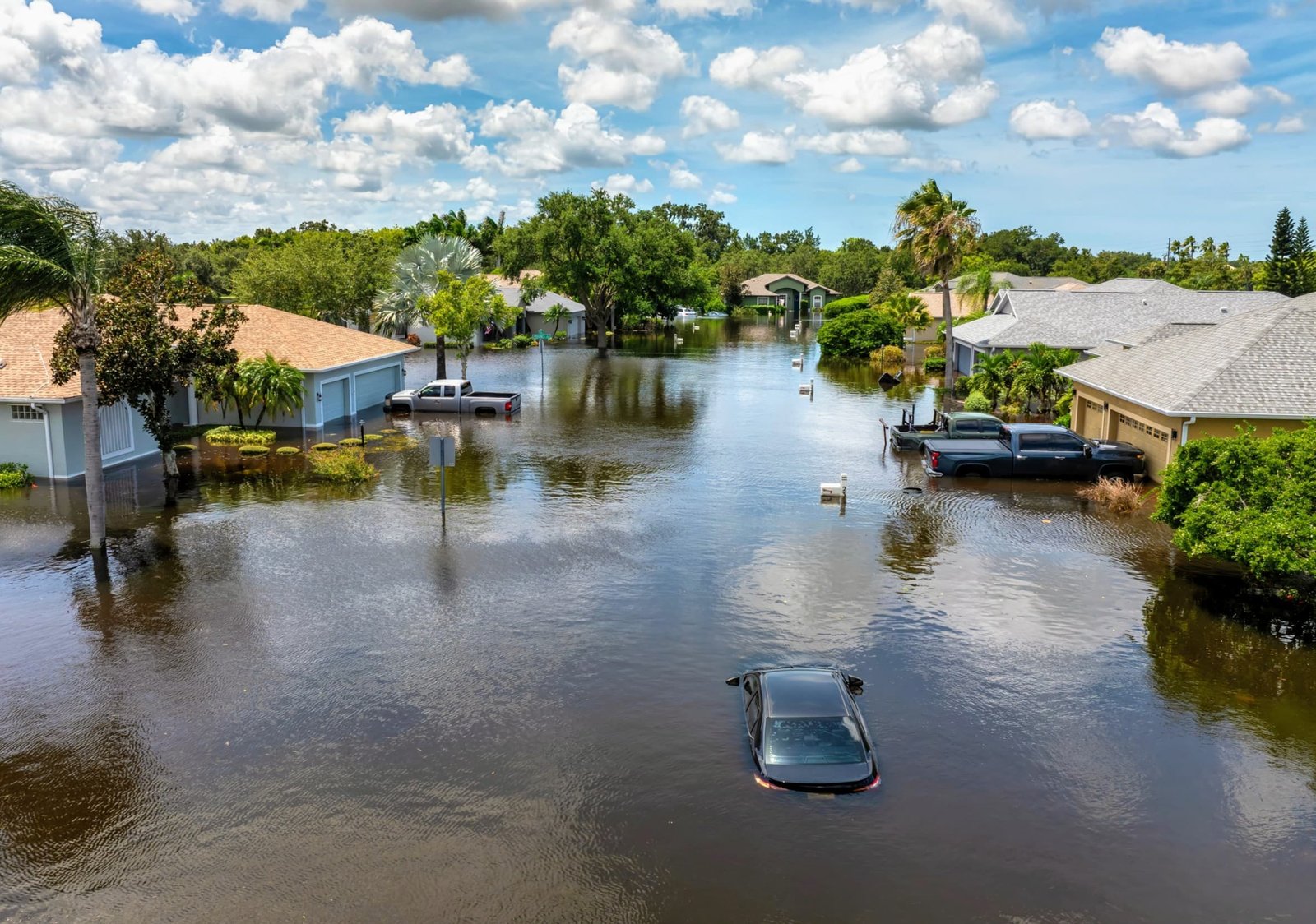
The western parts of the United States are likely to face extreme heat, drought, and elevated wildfire risk. The central and eastern regions could see severe storms and volatile temperature swings. Southern states and the Gulf Coast are expected to be wetter and stormier, with increased risk of major flooding.
Across the United States this summer, temperatures are forecast to run hotter than average, with significant heat waves anticipated. More frequent daily thunderstorms are expected across the Southwest.
For Americans along the Atlantic coast who typically dread hurricane season, El Niño carries an unexpected benefit. Stronger El Niños often produce storm-killing conditions in the Caribbean and tropical Atlantic, resulting in fewer tropical storms and hurricanes there. If forecasts hold, the 2026 Atlantic hurricane season may see the fewest named storms since 2015. The Pacific trades that energy, in effect.
The 2015 to 2016 Super El Niño offered a cautionary lesson about certainty. That event delivered serious drought in the Caribbean as expected, but failed to produce the wetter-than-average winter it is historically known for in Southern California. Super El Niños pack enormous power. They do not always deliver it where the models point.
| U.S. Region | Super El Niño Forecast Impact |
|---|---|
| Pacific Northwest | Drier than normal, warmer temperatures |
| California / Southwest | Extreme heat, drought, elevated wildfire risk |
| Gulf Coast / Deep South | Wetter, stormier, major flood risk |
| Northern Plains / Midwest | Milder temperatures, variable precipitation |
| Florida | Above-average rainfall through summer |
| Atlantic Coast | Quieter hurricane season, fewer named storms |
| National (overall) | One of hottest summers on record likely |
The Heat Record That May Already Be Coming
Even without El Niño fully arriving, 2026 is already running extraordinarily warm. NOAA confirmed it is “very likely” this year will rank among the five warmest on record — and that assessment does not yet account for El Niño’s additional warming effect.
If a strong El Niño materializes as projected, climate scientists at Columbia University project global temperatures could reach plus 1.7 degrees Celsius above pre-industrial levels by 2027 — a threshold that was once considered a distant worst-case scenario and is now being modeled as a near-term outcome. El Niño adds roughly 0.1 to 0.2 degrees Celsius to global averages during its peak, but that range widens significantly for a Super event stacking on top of already record-breaking baseline temperatures.
The timing of this particular event matters beyond the weather. It arrives as Western wildfire seasons grow longer, as Gulf Coast communities are still rebuilding from recent storms, and as a summer of record heat is already priced into many regional outlooks before El Niño has fully turned on.
The Kelvin wave is still moving east. The full force of what it carries will surface in the months ahead — and by then, the forecasts will have already been proven right or wrong. The scientists watching it say the uncertainty now is not whether this El Niño becomes significant. It is whether the world is ready for just how significant it gets.