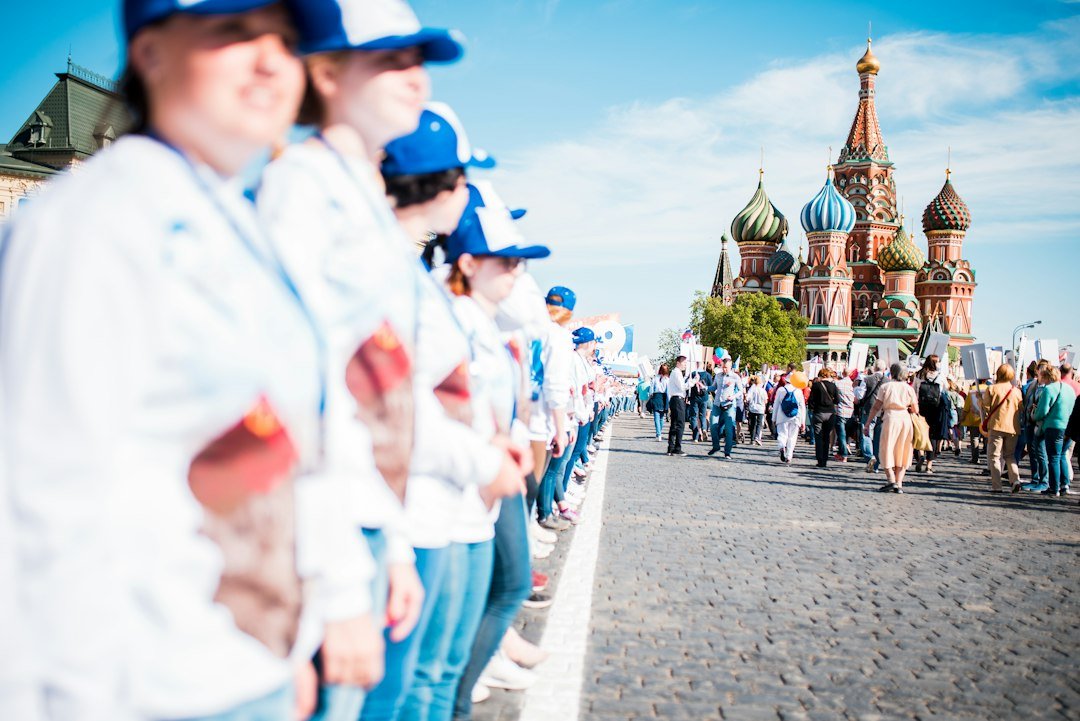

Photo by Aurelien Romain on Unsplash
EU ambassadors have approved the bloc’s largest single batch of Russia sanctions since the full-scale invasion began in February 2022, targeting 743 individuals and 826 entities tied to Moscow’s military-industrial complex. The package also names 77 people purportedly elected to Russia’s State Duma from occupied Ukrainian territories, bringing the total number of people and entities covered to 1,646. Final adoption still awaits sign-off from EU foreign ministers, but the ambassadors’ agreement marks a significant escalation in the bloc’s economic pressure campaign against the Kremlin.
What the Sanctions Mean
The scale of the new designations dwarfs previous rounds imposed since Russia’s invasion began. Individuals named in the package face travel bans and asset freezes, while entities are subject to asset freezes alone. EU operators are barred from making funds or other assets available to any of the designated parties, a restriction meant to choke off financial and material support for Russia’s war machine.
The inclusion of 77 figures tied to sham elections in occupied Ukrainian territory signals that Brussels is widening its sanctions net beyond arms manufacturers and military officials to include political figures involved in Russia’s attempted annexation of Ukrainian land. By folding these individuals into the same package as weapons producers, the EU is treating the political apparatus of occupation as inseparable from the military campaign itself.
New Money for Drones and Missiles
While sanctions tighten the economic noose, the European Commission is simultaneously pushing fresh money toward Ukraine’s own defense production. On October 7, the Commission disbursed €1.24 billion, or $1.4 billion, specifically earmarked for Ukraine to purchase domestically manufactured drones and missiles. The funds are part of the EU’s broader €90 billion, or $100 billion, support loan to Kyiv.
According to a European Commission press release, the money will go toward drones, drone interceptors, drone ammunition, and missiles produced by Ukrainian manufacturers. European Commission President Ursula von der Leyen said the disbursement would help strengthen Ukraine’s defense industry and its ability to defend itself. The emphasis on domestically produced weapons reflects a broader EU strategy of building up Ukraine’s own manufacturing base rather than relying solely on foreign-supplied arms, a shift that could prove critical as the war grinds into its fourth year.
This was not the only recent transfer of EU funds to Kyiv. On October 2, the Commission disbursed a separate €2.9 billion, or $3.25 billion, package to support Ukraine’s financial stability and reform agenda. That payment included €800 million delivered for the first time under the Ukraine Facility component of the broader Ukraine Support Loan. With this latest tranche, total EU support under the Ukraine Plan has now surpassed €32 billion, which the Commission says equates to nearly 70% of the funding currently available under the Facility’s first pillar.
Von der Leyen said Ukraine continues to deliver comprehensive reforms under the Ukraine Plan even as it defends itself against Russian aggression, framing the financial support as tied not just to the war effort but to Ukraine’s longer-term institutional development. The dual disbursements, one for weapons production and one for economic stability, illustrate how the EU is attempting to support Ukraine on two fronts simultaneously: battlefield resilience and domestic governance.
Warnings of a Wider Threat
The financial and diplomatic moves come against a backdrop of renewed warnings about Russia’s broader ambitions. German Foreign Minister Johann Wadephul warned that Russia may threaten the Baltics, Moldova, and Georgia, suggesting that Moscow’s aggression could extend well beyond Ukraine’s borders if left unchecked. His comments add urgency to the EU’s sanctions push, framing the measures not merely as punishment for the war in Ukraine but as a preventive effort to deter further Russian expansion into neighboring states and regions with historic ties to Moscow.
The warning arrived as Russia intensified its own military campaign. Overnight, Russia launched 70 missiles and 130 drones in a single assault, killing at least 11 people and wounding more than 30. The scale of the attack underscores the continued intensity of Russia’s air campaign even as diplomatic and financial pressure mounts in Brussels.
A Coordinated Response
Taken together, the sanctions package and the funding disbursements represent a coordinated two-track approach from the EU: squeezing Russia’s capacity to wage war while simultaneously bolstering Ukraine’s ability to defend itself and rebuild. The sanctions target the people and companies feeding Russia’s military machine, while the financial support flows toward Ukrainian factories producing the drones and missiles needed to counter nightly bombardments like the one that killed 11 people.
Whether this latest package will meaningfully alter Russia’s calculus remains uncertain, but its scope, the largest since the invasion began, signals that EU unity on Russia sanctions remains intact more than four years into the conflict. Final adoption by foreign ministers is expected to follow, cementing the package as formal EU policy. For now, the combination of expanded sanctions, fresh drone and missile funding, and stark warnings from officials like Wadephul suggests Brussels views the war as entering a more dangerous and unpredictable phase, one that could reach beyond Ukraine’s borders if Russia’s ambitions go unchecked.