
MADISON, APRIL 9, 2026 —
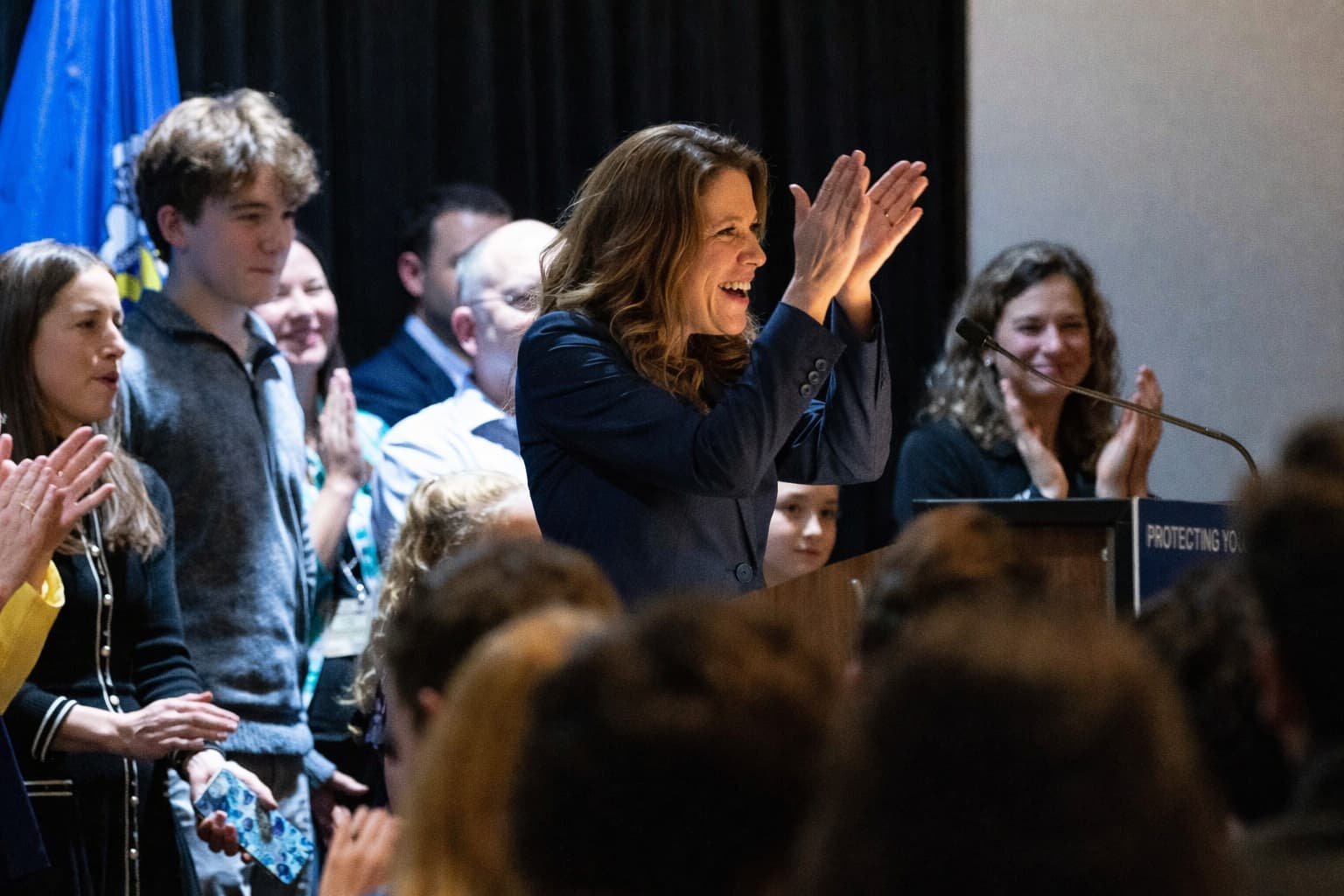
Democratic-backed candidate Chris Taylor won a seat on the Wisconsin Supreme Court Tuesday by approximately 20 percentage points — an emphatic margin in a battleground state that handed Donald Trump its electoral votes just 17 months ago — expanding the liberal majority on the court to 5-2 and locking in liberal control of Wisconsin’s highest court through at least 2030.
The result is the fourth consecutive Wisconsin Supreme Court victory for liberal candidates dating back to 2020, and it arrived just seven months before November midterm elections in which Democrats are fighting to keep the governor’s office and flip the state legislature. Analysts said Tuesday’s margin — which overperformed Democrats’ 2024 presidential results in the state by 21 percentage points — sent the clearest signal yet that the party has found a durable electoral coalition in state races centered on abortion rights, voting access, and opposition to Trump.
What the Race Was About
Taylor is a state Appeals Court judge and former Democratic state legislator who spent a decade as a lawmaker in Madison before joining the bench. She previously worked as a policy director for Planned Parenthood of Wisconsin. Her campaign centered almost entirely on abortion rights — a message that has propelled liberal candidates in Wisconsin Supreme Court races since the U.S. Supreme Court overturned Roe v. Wade in 2022.
Her opponent, Maria Lazar, is also a state Appeals Court judge who served for four years under a Republican attorney general in the Wisconsin Department of Justice — where she defended the state’s Act 10, the 2011 law that effectively ended collective bargaining for most public workers, and laws restricting abortion access. In her campaign, Lazar ran ads warning about transgender issues and accusing Taylor of supporting non-citizen voting.
The Associated Press called the race less than 40 minutes after polls closed. Taylor won not only the heavily Democratic areas of Milwaukee and Dane County — she carried more than 20 counties that voted for Donald Trump in the 2024 presidential election.
Why This Result Matters Beyond Wisconsin
For the Wisconsin court itself: Liberals now hold a 5-2 supermajority — the largest liberal margin on the court since at least the 1970s — and it is mathematically out of reach for conservatives until at least 2030. Cases waiting before the court include congressional redistricting (Wisconsin’s congressional map remains heavily gerrymandered in Republicans’ favor even after the statehouse maps were redrawn), union rights under Act 10, and voting access questions that could directly affect the 2028 presidential election.
For the midterms: Democrats have now won 19 of the last 24 statewide races in Wisconsin dating to 2017. The party overperformed its 2024 presidential baseline by 21 points — a gap that, if replicated in November, would mean competitive races for governor, state legislature, and potentially U.S. Senate in a state that has been a toss-up at the presidential level.
For the national picture: Wisconsin joins a pattern. Republicans have underperformed in special elections, off-year state races, and judicial elections across the country since Trump returned to office in January 2025. The Georgia special election Tuesday — which Republicans won — nonetheless showed the largest Democratic swing yet in a congressional special election, according to NBC News. Both results together suggest the 2026 midterm environment is tracking toward a Democratic wave if the current trajectory holds.
Wisconsin Supreme Court — The Shift Since 2023
| Year | Winner | Margin | Court Control |
|---|---|---|---|
| 2020 | Liberal (Jill Karofsky) | +10 | Conservative 4-3 |
| 2023 | Liberal (Janet Protasiewicz) | +11 | Liberal 4-3 (flipped) |
| 2025 | Liberal (Susan Crawford) | +10 | Liberal 4-3 |
| 2026 | Liberal (Chris Taylor) | +20 | Liberal 5-2 |
What Republicans Are Saying
Republicans and Trump allies noted that the court’s majority was not at stake in this race — a Lazar win would only have maintained the conservative 3-seat minority, not flipped the court. They argued turnout was low and the race did not reflect what a higher-turnout November election would look like.
The counterargument from Democratic strategists: Taylor won 20+ Trump counties in a low-turnout election. In a high-turnout midterm, that coalition grows, not shrinks.
The bottom line: Seven months before November, Wisconsin’s results suggest the midterm map is moving against Republicans in a state that could determine control of the U.S. Senate if Democratic incumbent Tammy Baldwin faces a competitive race — or if Republicans’ hold on House seats across the state weakens.