
WASHINGTON, APRIL 13, 2026 —
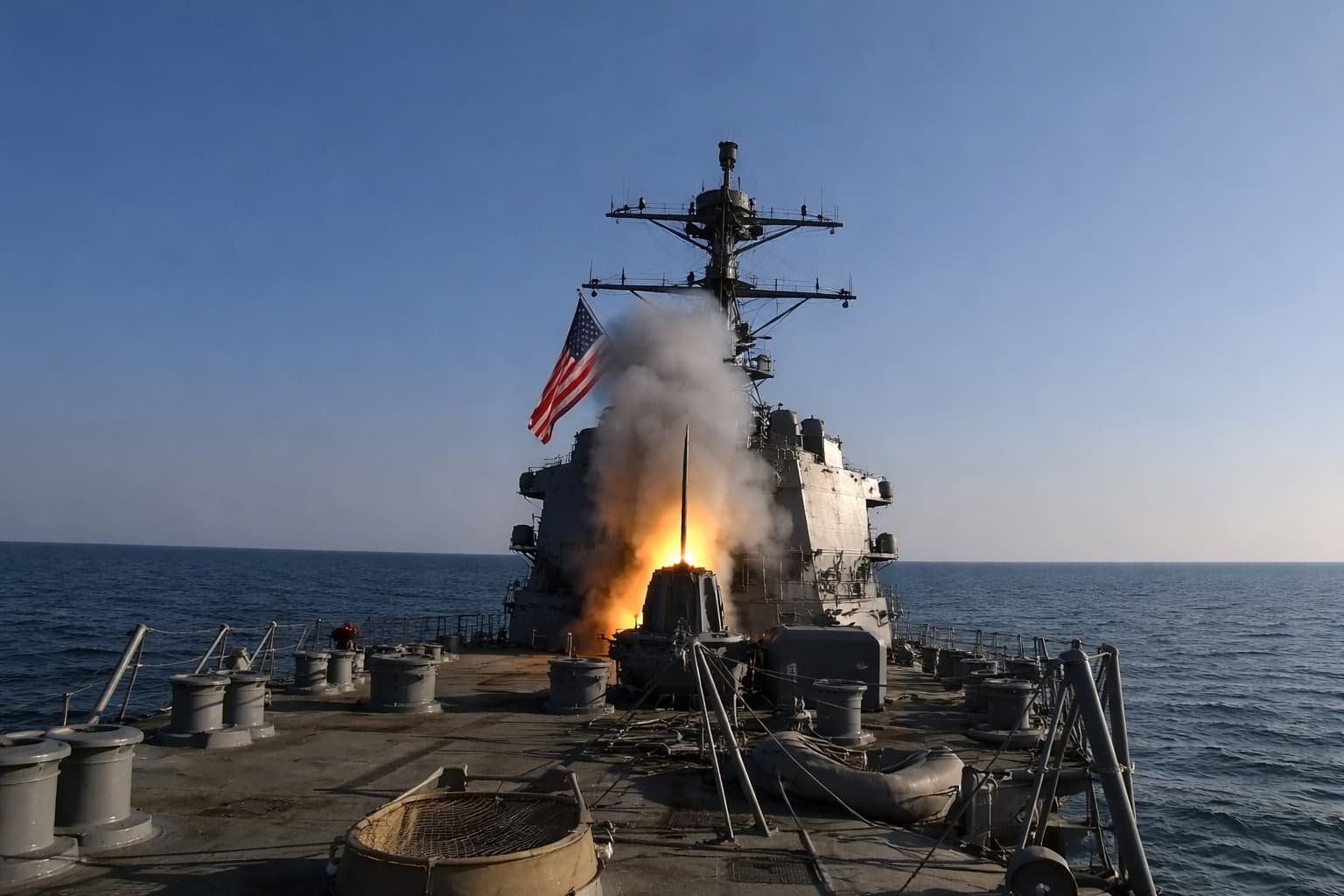
The United States military began enforcing a naval blockade of all maritime traffic entering and exiting Iranian ports Monday morning, dramatically escalating the six-week war with Iran just hours after peace talks in Pakistan collapsed without a deal.
U.S. Central Command confirmed that blockade operations began at 10 a.m. Eastern Time on April 13, in direct response to President Donald Trump’s order issued Sunday following the breakdown of 21-hour negotiations in Islamabad. The blockade targets all vessels attempting to enter or leave Iranian ports, and the Justice Department announced it would aggressively prosecute anyone found buying or selling sanctioned Iranian oil.
What Led to the Blockade
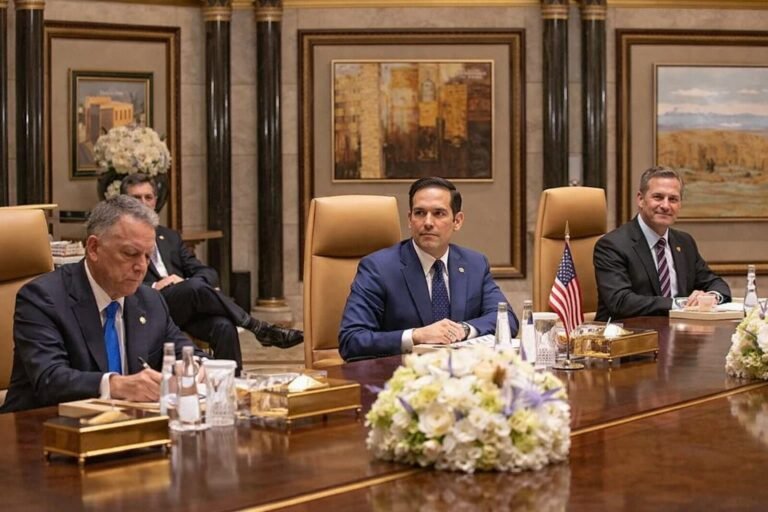
The crisis accelerated rapidly over the weekend. Vice President JD Vance, leading the American delegation in Islamabad alongside Special Envoy Steve Witkoff and Jared Kushner, emerged from negotiations on Sunday morning without a deal after Iran refused to commit to abandoning its nuclear weapons program. The talks were the first direct, face-to-face engagement between the two countries at such a senior level in more than a decade.
Trump declared on social media that Iran had been “unwilling to give up its nuclear ambitions” and announced the blockade would begin immediately. He instructed the Navy to intercept any vessel in international waters that had paid a toll to Iran for Strait of Hormuz passage, calling the practice “WORLD EXTORTION,” and warned that any Iranian forces firing on American ships or peaceful vessels would face overwhelming military response.
Iran’s Islamic Revolutionary Guard Corps responded Sunday evening, warning that any military vessels approaching the Strait of Hormuz would be considered a ceasefire violation and met with “severe force.” Iran’s parliamentary speaker and lead negotiator Mohammad Bagher Ghalibaf said American negotiators had failed to gain the trust of the Iranian delegation, and that the talks collapsed because of what Tehran described as “excessive demands.”
The Key Sticking Points That Killed the Deal
The negotiating gap between Washington and Tehran was wider than either side publicly acknowledged before talks began. Iran refused to concede on four core American demands: ending all uranium enrichment; dismantling major nuclear enrichment facilities; allowing the United States to retrieve highly enriched uranium stockpiles; and fully opening the Strait of Hormuz without charging passage tolls.
Iran’s position centered on its demand to maintain some form of nuclear program — which it characterizes as civilian — alongside a broader framework requiring the withdrawal of U.S. combat forces from regional bases, the lifting of all sanctions, the release of frozen Iranian assets, and war reparations. The two sides were simply operating from incompatible starting positions.
Pakistan, which brokered the two-week ceasefire that allowed the Islamabad talks to take place, said it would continue to seek a mediating role. The country’s foreign minister described the negotiations as “intense and constructive” despite the failure and urged both sides to maintain the ceasefire.
What the Blockade Means for Oil Prices and American Consumers
The blockade announcement is expected to push Brent crude oil prices higher from their current level of approximately $95 a barrel — already up more than 31% since the war began on February 28. Before the conflict, Brent traded near $75 a barrel.
The Strait of Hormuz carries roughly 20% of the world’s daily oil supply. Iran has effectively kept maritime traffic at a trickle since the war began, charging tolls exceeding $1 million per vessel for any ship seeking passage — a practice the Trump administration has now declared illegal under international maritime law.
For American households, the consequences are direct and ongoing. Gasoline prices have already risen above $4 a gallon nationwide — a full dollar higher than before the war. Airline ticket prices have risen as jet fuel costs surge. Package delivery surcharges from major carriers are now running between 20% and 26%. The U.S. Postal Service implemented its first-ever fuel surcharge of 8% on all packages.
Energy experts warn that even if the Strait fully reopens tomorrow, oil prices are unlikely to fall back to pre-war levels before the end of summer at the earliest. Supply chains take months to normalize, shipping confidence does not recover instantly, and the inventory drawn down during the disruption must be replenished before markets stabilize.
Where Things Stand Right Now
Trump told reporters Sunday evening that the temporary two-week ceasefire is “holding well,” and said Iran’s military has been effectively destroyed. He added that Monday’s blockade is not necessarily a resumption of active combat operations — but that the U.S. military remains “locked and loaded” if circumstances require it.
The United Kingdom said it is working to assemble a broad coalition with France and other allies to ensure safe passage through the Strait of Hormuz, with minesweeping operations already underway by U.S. naval vessels. The fragile ceasefire — struck just five days ago — has not formally collapsed, but with the blockade now active and Iran threatening to treat any approaching military vessel as a hostile act, the margin for error has narrowed dramatically.
The next 24 to 72 hours will determine whether the ceasefire survives, whether Iran responds militarily to the blockade, and whether a new diplomatic channel opens through Pakistan, Egypt, or another intermediary willing to bridge the gap between two sides still separated by demands neither is currently willing to abandon.