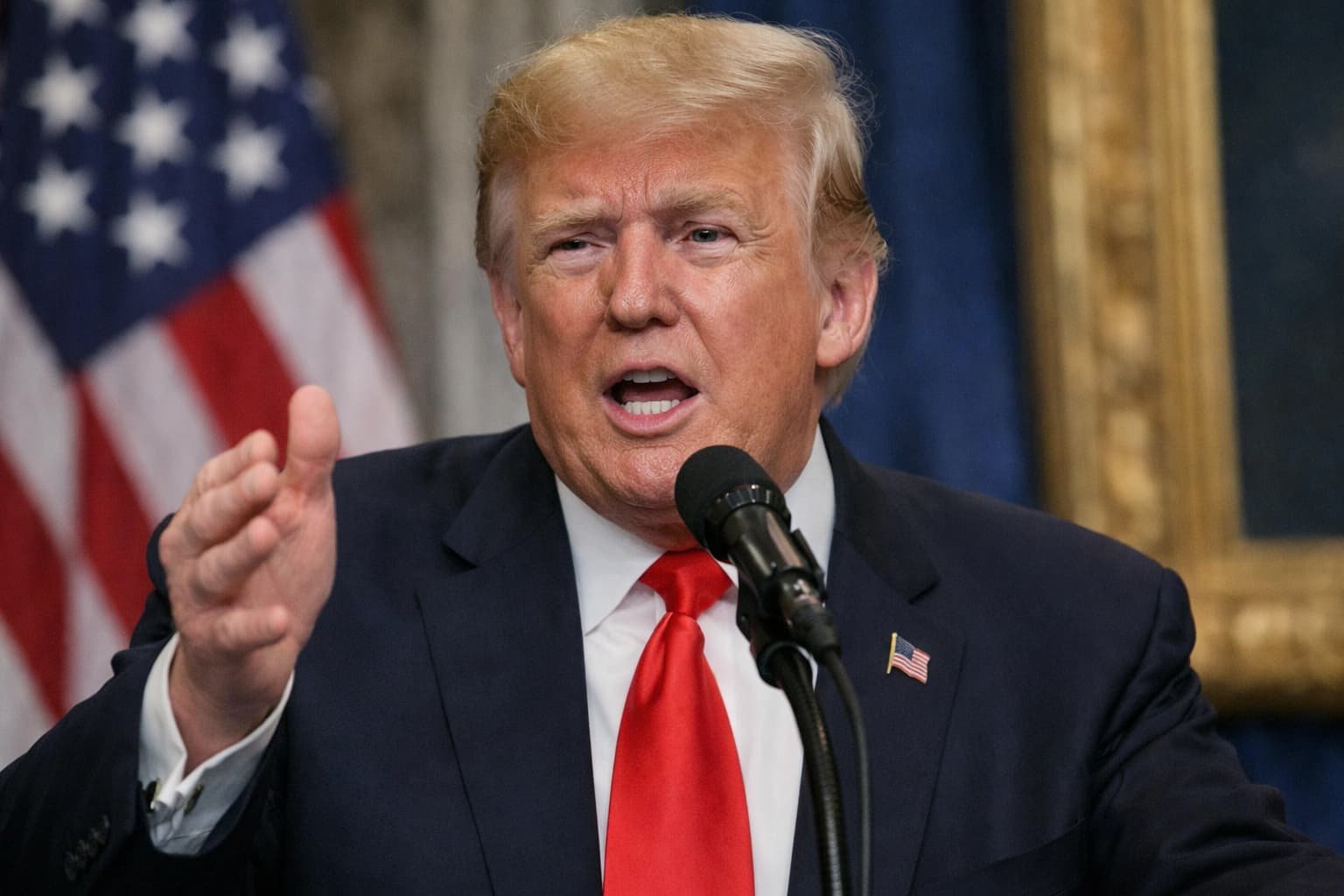

President Trump approved new fuel economy standards on September 27, 2026, rolling back Biden-era rules in a move that reshapes federal vehicle policy just weeks before the midterm elections. The decision marks a significant reversal of prior efforts to push the auto industry toward electric vehicles, and it lands amid a day of consequential developments spanning domestic spending fights, Middle East diplomacy and U.S.-China trade relations.
Clean Car Rules Gutted
The Trump administration plans to gut clean car and fuel-economy rules, effectively ending the prior administration’s push to accelerate the transition to electric vehicles. The rollback represents one of the more aggressive regulatory reversals of Trump’s term and is likely to become a flashpoint in campaign messaging as candidates court voters concerned about both energy costs and environmental policy.
The timing is notable. The change arrives as pressure mounts on the administration over rising prices at the pump, a issue tied directly to ongoing tensions in the Middle East.
Funding Fight Escalates
Separately, the White House moved to block $810 million in funding through a pocket rescission, an executive maneuver that freezes money Congress had already approved. Broad policy debates intensified following the executive action to freeze nearly $1 billion in previously congressional-approved program funding, reigniting arguments over the balance of power between the White House and Capitol Hill.
The funding fight comes against a backdrop of a tight legislative calendar. The federal government’s current fiscal year funding expires on September 30, 2026, leaving Congress with roughly four weeks from its return to act before a potential shutdown begins. Lawmakers have already taken one step to avert that outcome: the Senate passed a bipartisan continuing resolution on August 8, 2026, by a 90-6 vote, which would fund the government through December 11, 2026.
For federal workers, that vote carries direct practical significance. Federal employee paychecks continue on the normal payroll schedule as long as the government stays funded through December 11, offering a measure of stability even as the broader rescission fight plays out in Washington.
Senators are on Capitol Hill this week for the final time until after Election Day. The Protect College Sports Act is expected to be on their agenda before they head home to campaign.
Iran Ceasefire Rejected
On the international front, Trump reportedly rejected Iran’s conditional ceasefire proposal, a decision that keeps the conflict unresolved as energy prices remain elevated. Trump rejected Iran’s proposal to reopen the Strait of Hormuz and related cease-fire ideas, leaving Iran seeking clarification while the conflict continues.
The stakes of that decision are heightened by the political calendar. With just 37 days until the midterms, pressure is growing to end the war in Iran as Americans face rising prices at the pump, according to a television news program transcript. The strait’s status is central to global energy markets, and its continued closure or restriction has been a factor in the price pressures voters are feeling at gas stations nationwide.
China Trade Truce Advances
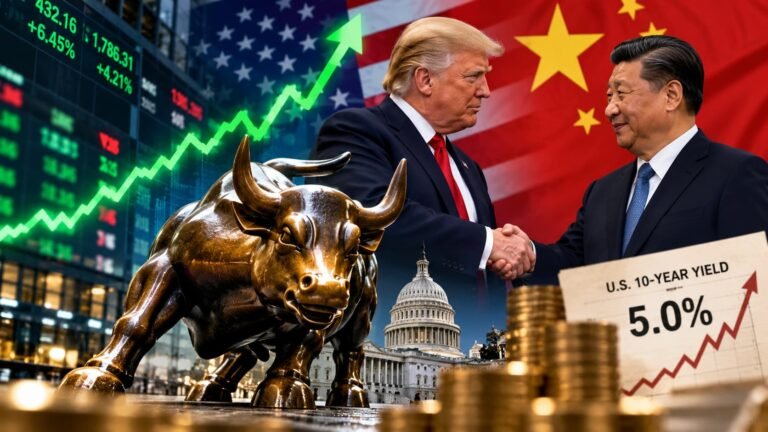
Amid the tension over Iran, there was movement on another major front: China and the United States agreed to a $30 billion tariff cut and AI dialogue during Xi’s visit, according to Beijing. The two countries also agreed to establish an AI safety and incident communication channel and to continue trade and military crisis-communication talks following the Trump-Xi summit.
That agreement suggests at least a partial thaw in the broader U.S.-China economic relationship, even as tensions with Iran show no sign of easing. The AI safety channel, in particular, points to an effort by both governments to manage risks tied to rapidly advancing technology, alongside more traditional trade and military communication mechanisms.
Midterms Loom Over Every Decision
All of these developments are unfolding against an increasingly competitive electoral backdrop. Panelists on a Sunday political program discussed the Cook Political Report’s decision to move 15 House races and three Senate races toward Democrats, a shift that signals tightening margins in contests that will determine control of Congress.
Trump himself is set to hit the campaign trail this week, holding rallies in Oklahoma on Thursday and Alabama on Friday. The scheduling underscores how central the midterms have become to the administration’s calculus on everything from fuel economy rules to foreign policy decisions.
With Congress facing a shutdown deadline, Iran tensions unresolved, and House and Senate races shifting, the coming weeks are shaping up as a pivotal stretch. Voters will be watching gas prices, paychecks, and the war in Iran as they head to the polls, while lawmakers race against the December 11 funding deadline and the shorter window before Election Day itself.
- Fuel economy rollback approved September 27, 2026
- $810 million blocked via pocket rescission
- Government funding expires September 30, 2026
- Continuing resolution funds government through December 11, 2026
- 37 days until the midterms as of the Iran ceasefire rejection
- Trump rallies: Oklahoma Thursday, Alabama Friday