
WASHINGTON, May 21, 2026 —
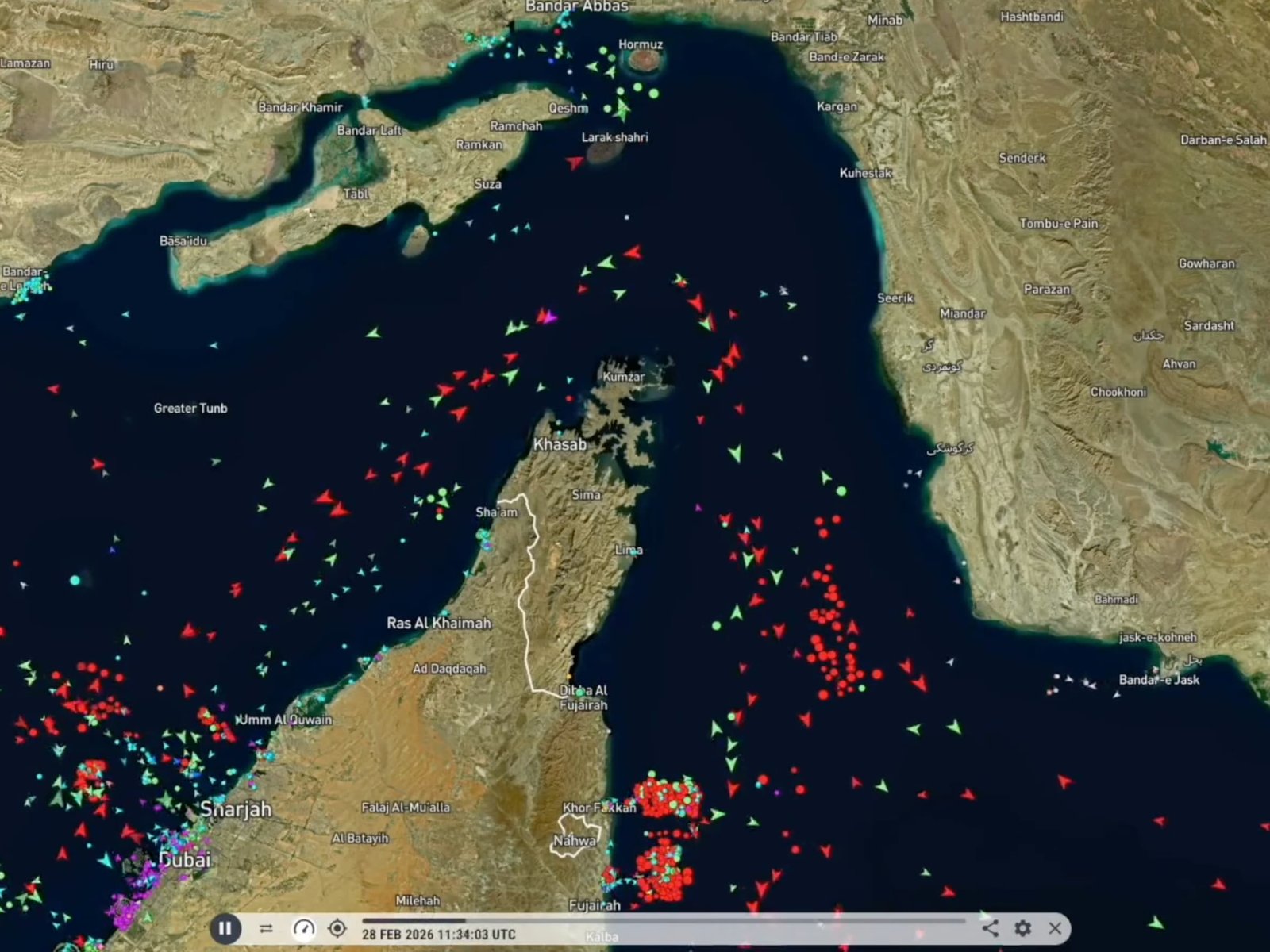
The United States and Iran are in the final stages of a framework peace negotiation that American officials describe as closer to resolution than any prior round of talks — but no agreement has been signed, the Strait of Hormuz remains closed, and the U.S. military is still on full standby for a large-scale strike that could be ordered at any moment if negotiations collapse.
Envoy Steve Witkoff is leading the American side of the talks, with Pakistan and Qatar serving as active intermediaries. Iran submitted a revised 14-point proposal to Pakistani mediators on May 19 — the same day Trump called off a planned Tuesday strike after the leaders of Qatar, Saudi Arabia, and the UAE personally intervened by phone. Trump described the current moment as “a little bit different” from prior near-deal moments that ultimately collapsed.
What Iran Offered and Why Washington Hasn’t Said Yes Yet
The specific contents of Iran’s 14-point proposal have not been made public. American officials have confirmed the proposal is under active review and that it represents movement from Tehran’s prior positions — particularly on uranium enrichment limits and IAEA inspection access, the two issues that have blocked every previous negotiating round.
The primary unresolved question is sequencing. The United States wants verifiable Strait reopening and enrichment restrictions before sanctions relief is granted. Iran wants sanctions relief as a precondition for compliance steps. That gap — who moves first and what counts as sufficient verification — is where every Iran nuclear negotiation in the past two decades has either succeeded or broken down.
The Standby Order That Has Not Been Rescinded
Trump’s instruction to Defense Secretary Pete Hegseth and Joint Chiefs Chairman General Dan Caine after calling off Tuesday’s strike was explicit: maintain full readiness for a large-scale assault executable at a moment’s notice. That order has not been rescinded. Carrier strike groups remain in position. Targeting packages built for Tuesday’s operation are still active.
The pressure this creates on negotiations is intentional. The administration has consistently tied the credibility of its military threat to the seriousness with which Iran approaches the talks. Every day the Strait stays closed costs the global economy an estimated $1 billion in diverted shipping costs and energy price premiums. American households are paying $4.50 a gallon. The Federal Reserve cannot cut rates. The clock is running on every side of the table.
What a Deal Would Immediately Change for American Households
A signed framework — when and if it arrives — would trigger one of the fastest commodity price adjustments in recent memory. The Energy Information Administration estimated in its most recent outlook that a full Strait reopening would reduce U.S. retail gasoline prices by 35 to 55 cents per gallon within four to six weeks as global crude markets rebalanced. At the midpoint of that estimate, regular gasoline would fall from $4.50 to roughly $4.00 — meaningful relief, though still above the pre-war baseline of $2.98.
The downstream effects extend further. A Strait reopening reduces the energy input costs that have been flowing into manufactured goods, food transportation, and industrial production for three months. The inflationary pass-through from energy into broader consumer prices — which economists warned had not yet fully arrived — would slow and eventually reverse.
No deal has been announced. No signing ceremony has been scheduled. What exists as of Wednesday morning is a proposal under review, a military on standby, and a negotiating window that both sides have allowed to stay open longer than any previous one.
That is not nothing. But it is not a deal.
| Iran Negotiations — Current Status May 21 | Detail |
|---|---|
| Status | Final review — no agreement signed |
| U.S. lead negotiator | Steve Witkoff |
| Facilitating nations | Pakistan, Qatar |
| Iran’s latest submission | Revised 14-point proposal (May 19) |
| Tuesday strike | Called off — military remains on standby |
| Strait of Hormuz | Still closed to commercial shipping |
| Key unresolved issue | Sequencing — sanctions relief vs. compliance steps |
| U.S. gas price (current) | ~$4.50/gallon |
| EIA price relief estimate if Strait reopens | -35 to -55 cents/gallon within 4-6 weeks |
| Military posture | Full standby — large-scale strike authorized at any time |
The next 48 hours will determine whether this round follows the pattern of every prior near-deal moment or breaks it.