
WASHINGTON / TEHRAN, May 8, 2026 —
Iran extended its ceasefire with the United States on Friday, averting a resumption of full-scale hostilities on the deadline day its own foreign ministry had set for the conflict’s reassessment. The April jobs report arrived the same morning with 177,000 new jobs — nearly three times the consensus forecast of 62,000 — sending markets sharply higher and pushing Federal Reserve rate cut expectations to September at the earliest. Brent crude fell below $97 a barrel. A week that began with gunfire in the Strait of Hormuz and gas prices at $4.56 a gallon ended with a ceasefire extension, a labor market surprise, and oil on its fastest downward trajectory since the war began.
The Ceasefire Extension — What It Contains
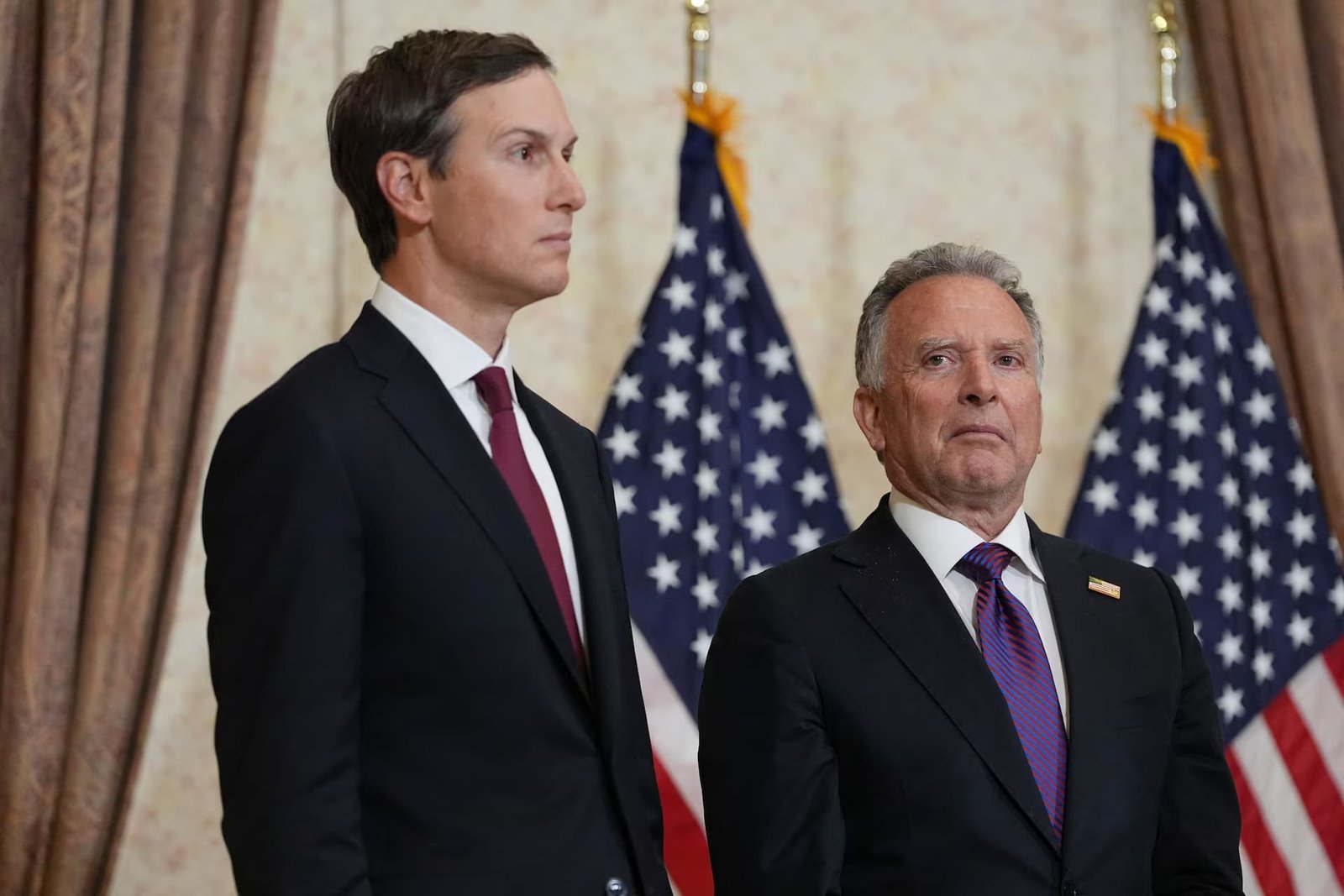
Iran’s Supreme National Security Council announced Friday that the ceasefire has been extended by an additional two weeks, to May 22, providing the time needed to finalize the 14-point memorandum of understanding being negotiated between Trump’s envoys Steve Witkoff and Jared Kushner and Iranian officials through Pakistani and Omani intermediaries.
The extension is not a peace deal. It is a continuation of the same fragile ceasefire that has been extended twice already — a structure that both sides describe as temporary and both sides continue operating under while simultaneously testing its limits. Iran’s fast-attack boats have harassed U.S. naval vessels during the ceasefire. U.S. forces struck Iranian military facilities during the ceasefire. The naval blockade of Iranian ports remained active throughout the ceasefire. The Strait of Hormuz has been closed to normal commercial traffic during the ceasefire.
What the extension does is push the next hard deadline to May 22 — two days before Trump’s planned summit with Xi Jinping in Beijing on May 14. The diplomatic sequence now is: Witkoff and Kushner in Islamabad next week finalizing the MOU, the Trump-Xi summit on May 14 potentially adding Chinese pressure on Iran for the nuclear concessions, and a May 22 deadline that arrives with more context than any previous deadline has had.
The MOU’s 14 Points — What’s Known
The one-page, 14-point memorandum of understanding being drafted by Witkoff and Kushner has not been publicly released. Two U.S. officials described its structure to journalists in terms consistent across multiple outlets.
| MOU Element | Detail |
|---|---|
| Declaration | End of the war in the region |
| Timeline | Start of 30-day detailed negotiation period |
| Negotiation venue | Islamabad or Geneva |
| Strait of Hormuz | Restrictions gradually lifted during 30-day period |
| Naval blockade | Gradually lifted during 30-day period |
| Nuclear program | Addressed in detailed 30-day negotiations |
| Sanctions | Addressed in detailed 30-day negotiations |
| Iran’s 10-point proposal | Trump described as “workable basis for negotiation” |
The structure confirms that the deal being negotiated is not a comprehensive agreement — it is a framework for reaching a comprehensive agreement over 30 days of formal negotiations. The nuclear question, the sanctions question, and the permanent status of Hormuz navigation are all deferred to those 30 days. The MOU itself commits both sides to stopping the war and starting the clock.
Whether Iran’s Supreme Leader Mojtaba Khamenei signs off on an agreement that requires surrendering enriched uranium — as Trump has claimed Iran agreed to — remains the central unresolved question. Iran’s foreign ministry has said Tehran’s position will be conveyed to mediators after “finalizing its views.” Trump has said they have agreed. One of those statements accurately describes the situation. The answer should be clearer by the end of next week.
The Jobs Report — 177,000 When Forecasters Expected 62,000
The Bureau of Labor Statistics reported Friday morning that the U.S. economy added 177,000 nonfarm payroll jobs in April — a number that arrived like a thunderclap in markets expecting roughly 62,000. The unemployment rate held steady at 4.2%. Average hourly earnings rose 3.8% year-over-year, slightly above expectations of 3.6%.
Healthcare and social assistance dominated again, adding approximately 70,000 of the 177,000 total. Transportation and warehousing added 29,000. Construction added 16,000. Manufacturing added 11,000. Federal government employment continued declining — down approximately 9,000 — reflecting the ongoing DOGE restructuring.
The number changes the Federal Reserve calculus meaningfully. A 62,000 reading would have opened a real debate about a June rate cut even with inflation above target. At 177,000, the labor market does not support an emergency rate cut. September is now the earliest realistic window for a cut under normal conditions — unless the Iran deal closes, energy inflation falls rapidly, and the combination of cooling inflation and a softening summer labor market creates space for Warsh to move at the July meeting.
Markets Friday — The Week Ends at Records
The S&P 500 and Nasdaq both extended their record highs Friday on the combined strength of the jobs beat and the ceasefire extension. The Dow Jones added more than 400 points. Brent crude settled at $97.14 a barrel — down more than 14% from its $114.40 peak on Monday.
Gasoline futures fell in tandem. The national average at the pump will begin falling within five to seven trading days as lower wholesale fuel costs work through the distribution chain. From a peak of $4.56, the average is expected to fall to approximately $4.10 to $4.20 in the coming week — still elevated, still politically uncomfortable, but moving in the right direction for the first time in 15 days.