
Photo by Anne Nygård on Unsplash
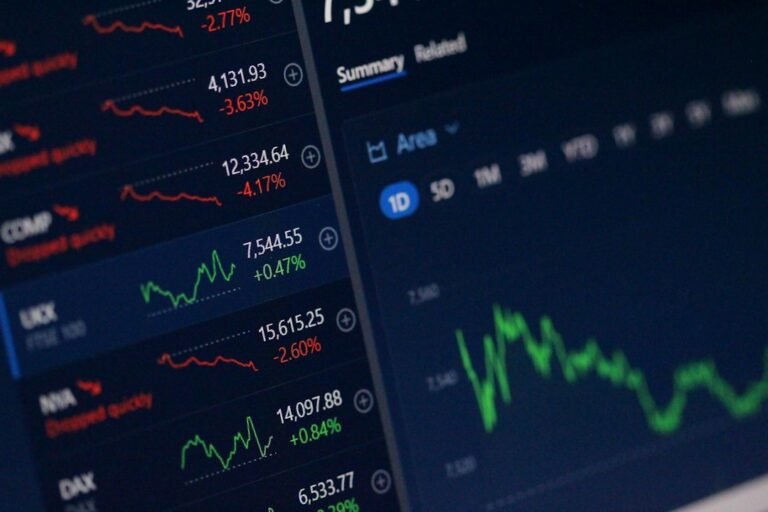
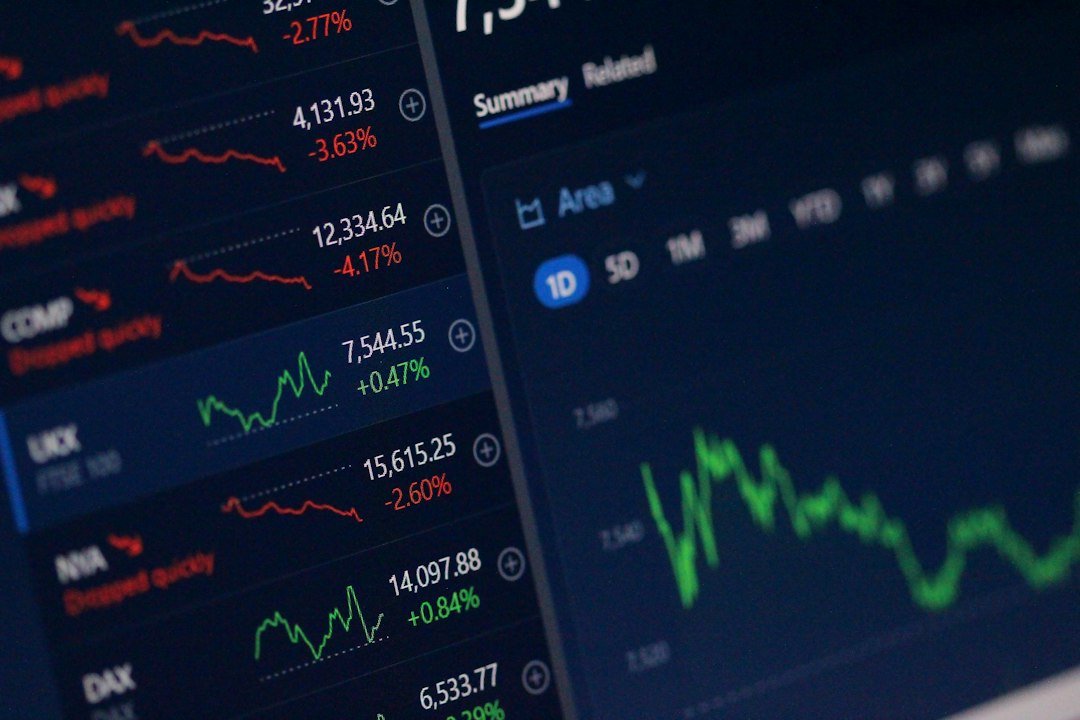
The S&P 500 climbed 0.51% to close at 7,743.41 on Friday, capping a turbulent week that saw Wall Street rattled by surging bond yields, spiking oil prices, and a high-stakes diplomatic summit between the world’s two largest economies.
The final stretch of a jittery week on Wall Street saw a rebound in stocks as oil prices fell, halting a selloff in bonds that had roiled financial markets around the world. Friday’s gains were enough for the Dow to snap a three-week losing streak, and the S&P 500 and Nasdaq also finished the week higher, offering investors a measure of relief after days of whipsaw trading.
Yields Near Financial Crisis Levels
Underlying the week’s volatility was a dramatic move in bond markets. The 10-year Treasury yield climbed to roughly 5.18% Friday, hovering around levels not seen since the global financial crisis. That surge has pressured borrowing costs across the economy, from mortgages to corporate debt, and has been a central driver of the market’s recent instability.
Adding to the unease, oil prices had been surging for weeks before finally moving meaningfully lower on Friday. That decline eased some of the inflation fears that have dominated markets throughout September. Still, the pain at the pump remains real for consumers. Average US gasoline prices are approaching $4.50 per gallon, putting additional pressure on household budgets already dealing with years of higher prices.
Consumer sentiment data released this week reflected that strain. The Survey of Consumers turned in a final level of 48.1, down 7% from August but slightly better than the Dow Jones consensus for 47.8. More troubling was the outlook on prices: inflation expectations in the near term surged to 4.6% on the one-year horizon, up 0.6 percentage point from the prior month and the highest since June.
University of Michigan survey director Joanne Hsu said interviews reveal broad agreement across the political spectrum that the outlook for the economy has weakened since the beginning of the year. That bipartisan pessimism suggests the anxiety gripping markets isn’t confined to Wall Street trading desks but is being felt broadly across American households, regardless of political affiliation.
Diplomacy in the Capital
While investors grappled with yields and gas prices, Washington played host to a rare diplomatic moment. President Xi made his first state visit to Washington in 11 years, and the U.S. and China extended their trade truce as he arrived, offering some reassurance to markets that had grown anxious over trade tensions between the two nations.
Chinese President Xi Jinping concluded his state visit with President Donald Trump today after the two leaders and first ladies met over tea in the morning and paid a visit to the National Archives. The visit carried symbolic weight given the more than decade-long gap since Xi’s last state visit to the American capital, and it unfolded against a backdrop of heightened global tension over energy prices and interest rates.
The diplomatic itinerary extended into the evening. Trump hosted Xi Jinping for a state dinner, joined by U.S. billionaires worth $2.4 trillion, an eye-catching display of wealth and access that underscored the high-profile nature of the summit and the business interests watching closely for signs of a durable trade détente.
Congress Weighs In on Iran
Elsewhere in Washington, lawmakers took up a separate foreign policy matter. The U.S. Senate defeated an Iran War Powers Resolution on a vote of 49-50, a razor-thin margin that reflects deep divisions in Congress over the administration’s approach to Iran. The near-even split shows how contested foreign policy questions remain even as the White House was busy hosting Xi and courting business leaders on the same trip.
The convergence of market volatility, diplomatic theater, and a contentious Senate vote arrives at a politically sensitive moment. The midterm elections are now about six weeks away, with the midterms arriving November 3. That timeline adds urgency to questions about inflation, energy costs, and foreign policy that are likely to shape voter sentiment heading into the fall campaign season.
Earnings Growth Offsets Headwinds
Despite the week’s turbulence, some analysts point to underlying corporate strength as a stabilizing force. S&P 500 earnings are expected to grow more than 25% in 2026, growth that has carried stocks through a war, an oil shock, and the highest long-term interest rates in nearly two decades.
That earnings trajectory helps explain why stocks have managed to claw back losses even as Treasury yields sit near their highest levels in a generation. Investors appear willing to look past near-term inflation worries and elevated borrowing costs so long as corporate profits keep climbing at a robust pace.
Whether that resilience holds will likely depend on how the newly extended U.S.-China trade truce develops, whether oil prices continue their retreat, and how consumers respond to persistently high gasoline costs in the weeks leading up to the midterms. For now, Friday’s rebound offered a brief respite from a week defined by uncertainty on multiple fronts, from bond markets to ballot boxes.