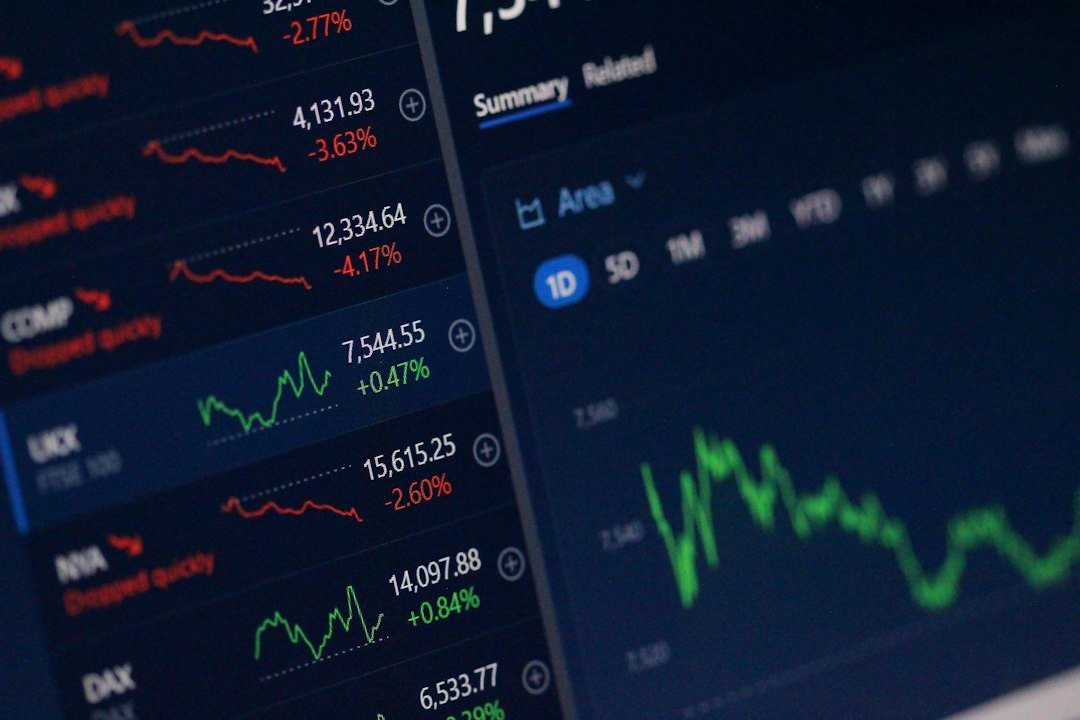


Photo by Anne Nygård on Unsplash
Global stocks and bonds sold off sharply as stronger-than-expected US economic data and rising oil prices reignited fears that the Federal Reserve will be forced to raise interest rates again. The US 10-year Treasury yield climbed to around 5.116%-5.11% on September 24, 2026, marking one of the sharpest moves in the bond market this year and rattling investors across asset classes worldwide.
Bond Yields Surge to Multi-Decade Highs
The selloff in bonds deepened further out on the yield curve. Thirty-year Treasury yields hit the highest level since 2004, a financial markets reporter said, as investors demanded higher compensation to hold long-dated government debt amid growing worries about persistent inflation. Renewed bond volatility left traders reluctant to make riskier bets, with stocks wavering on worries that elevated oil prices will fuel inflation and force the Federal Reserve to lift rates, a financial markets reporter said.
Global bonds remained under pressure as stronger US economic data and weak demand at a five-year Treasury auction forced another reset higher in yields, a market strategist at Tickmill said. Weak demand at government debt auctions is often read as a warning sign that investors are losing appetite for long-term bonds at current rates, pushing yields even higher to attract buyers and adding to the sense that borrowing costs across the economy are on an upward trajectory with no clear end in sight.
Wall Street Retreats
Equity markets absorbed the pressure from every direction. Key closing figures included:
- S&P 500: 7,706, down 0.75%
- Nasdaq: off more than 1%
- Dow Jones Index: 51,350, down 162 points or 0.31 percent
The declines came despite, or perhaps because of, a run of encouraging economic signals. The US composite PMI index rose to 58.4, the highest level in five years, supporting a stronger-growth narrative, a market strategist at Tickmill said. Strong growth data typically cheers investors, but in the current environment it has instead fed fears that the Fed will need to keep monetary policy tighter for longer to contain inflation. That paradox — good news for the economy read as bad news for markets — has become a defining feature of trading sessions in recent weeks, and Thursday’s action was no exception.
Oil, Gold and the Dollar
Energy markets added another layer of anxiety. Brent crude settled above $106 after briefly paring its rally on news reports the US and Iran are exploring a phased deal to reopen the Strait of Hormuz, a financial markets reporter said. The strait is a critical chokepoint for global oil shipments, and any disruption, or resolution, there tends to move prices sharply in either direction.
Higher oil prices threaten to push inflation higher just as the Fed weighs its next move, reinforcing the very fears driving the bond and stock selloff. That dynamic helps explain why gold, traditionally viewed as a haven in times of stress, also slid rather than rallied. Spot gold fell 1.72% to US$4,289 an ounce as the dollar and Treasury yields climbed, a financial market data report said. The dollar index firmed to 101.184, reflecting the same rise in yields that made dollar-denominated assets more attractive relative to non-yielding gold, leaving few corners of the market untouched by the day’s turbulence.
Trade Truce Extended, Political Crosscurrents
Amid the market turmoil, the United States and China are extending their trade truce for two months, an announcement made Wednesday evening, US Treasury Secretary Scott Bessent said. The truce, which had been set to expire Nov. 10, removes at least one source of near-term uncertainty for global markets even as domestic economic pressures mount elsewhere in the system.
Separately, a federal judge temporarily blocked President Trump’s ban of CNN, MS NOW and Politico from the White House, according to federal court record. The order halts, for now, an effort to restrict access for three major news organizations to White House grounds, a dispute that has drawn attention even as economic headlines dominate the news cycle.
On the political front, House Democratic leader Hakeem Jeffries says affordability is at the center of the party’s midterm message, positioning the issue as a central line of attack heading into next year’s elections. Rising prices at the pump and elsewhere give Democrats a ready-made talking point as they seek to capitalize on economic anxiety among voters already unsettled by the market swings.
That anxiety may also be shaping policy deliberations inside the administration. The White House is considering a 90-day ban on exporting diesel to boost domestic supplies, White House officials said, though the White House denies this could happen. Such a measure, if enacted, would mark a significant intervention in energy markets at a moment when oil prices are already climbing and inflation concerns are running high across Wall Street and Washington alike.
Taken together, the day’s developments paint a picture of an economy sending mixed signals: robust growth data on one hand, but mounting borrowing costs, rising energy prices and a jittery bond market on the other. Investors now face a delicate balancing act, weighing signs of economic strength against the risk that the Fed’s response to that strength could further unsettle markets already reeling from one of the sharpest bond selloffs in years.
