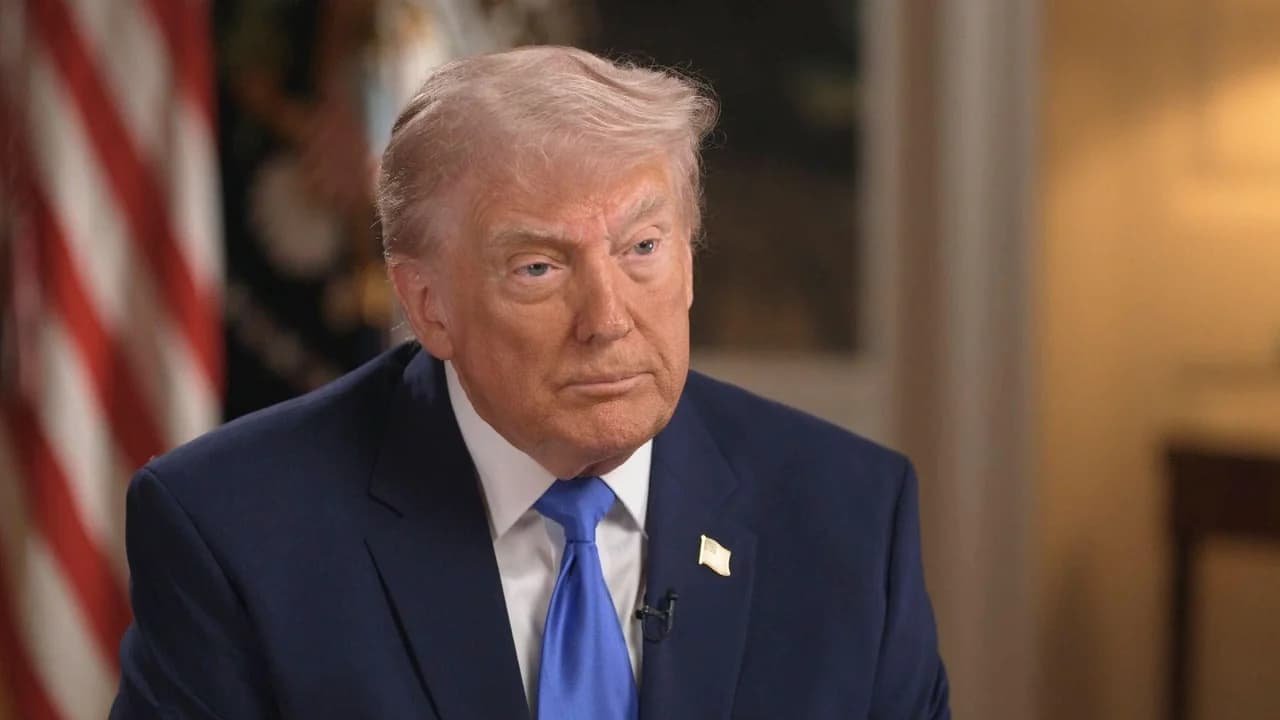

President Donald Trump told the United Nations General Assembly he has a “big decision” to make on Iran: strike a deal with Tehran or “annihilate the Islamic Republic” and “drive them into hell with no chance of survival and no hope of future greatness.” The stark warning, delivered from the UN podium, set the tone for a day of high-stakes diplomacy that also saw Ukrainian President Volodymyr Zelenskyy press for an end to Russia’s war.
Trump Weighs Deal or Destruction
Trump framed the choice as binary but suggested he expects a resolution eventually. He said he believes a deal with Iran will happen “right after the election because it doesn’t make sense for them not to,” referring to the U.S. midterm elections in November. He went further, telling the assembled leaders that Iran is “waiting to see how I do in the midterm election,” implying Tehran’s calculus is tied directly to American domestic politics rather than any immediate urgency to negotiate.
Behind the rhetoric, there were signs of movement. Trump said U.S. envoys met with Iranian officials for three hours on the sidelines of the UN gathering, an unexpected development that reporting described as a sign of diplomatic activity continuing even amid the harsh public language. Trump also told the assembly that ensuring “Iran will never have a nuclear weapon” was the most important goal of his approach, a line that drew applause from the chamber.
The timing of Trump’s remarks was notable. The gathering comes as the Iran war is about to enter its eighth month, meaning the conflict has now stretched well beyond initial expectations and continues to shape the broader Middle East picture heading into the UN’s annual session. Adding to the diplomatic tension, Iran’s president was slated to address the General Assembly the same day, according to Iranian state media, setting up a rare instance of leaders from both sides of an active conflict speaking before the same body within hours of each other.
Zelenskyy Seeks an Off-Ramp
While Iran dominated much of Trump’s remarks, Ukraine’s war with Russia was the other major thread running through the UN gathering. Zelenskyy was set to address the General Assembly as Trump presses for an end to Russia’s war and Kyiv seeks to shape the emerging diplomatic push after more than four-and-a-half years of conflict. The speech came a day after Zelenskyy met with Trump in New York, where the two discussed ending the war, though Trump did not disclose what a potential agreement would involve.
Speaking to reporters at the UN, Trump offered an optimistic but vague assessment of where things stand between Moscow and Kyiv. “I think they’re going to make a deal, and I don’t want to say what the deal is,” he said, declining to elaborate on terms or timing. For his part, Zelenskyy struck an urgent note, saying he hoped the United States would help bring the fighting to a close “as quickly as possible, before winter” — a timeline that underscores the toll another cold-weather campaign could take on Ukraine’s energy grid, front lines and civilian population.
Attacks Continue as Diplomacy Unfolds
Even as leaders spoke of deals and off-ramps in New York, the war on the ground showed no sign of pausing. Russia’s overnight attack on Ukraine involved a wide array of weapons, according to Ukraine’s air force and regional military administration head Oleksandr Hanzha, who said the assault included:
- Anti-ship missiles
- Ballistic missiles
- Cruise missiles
- More than 200 drones
The barrage killed four people in the central Ukrainian city of Dnipro, a reminder that the diplomatic conversations unfolding at the UN have yet to translate into any slowdown in hostilities. Ukraine, for its part, has continued to strike back at Russian energy infrastructure. Zelenskyy said Ukrainian special forces struck the Kuibyshev oil refinery in Samara and another refinery in Bashkortostan in overnight attacks, actions that suggest Kyiv is still willing to escalate pressure on Russian territory even as it publicly calls for a negotiated end to the fighting.
The juxtaposition captures the uncertain moment facing both conflicts as world leaders convene in New York. On Iran, Trump’s language veered between apocalyptic threat and confident prediction of an eventual deal, with his own framing suggesting Tehran is watching American electoral politics as closely as it is watching the battlefield. On Ukraine, the picture is similarly split: a meeting between Trump and Zelenskyy that produced talk of a possible deal, paired with continued missile and drone strikes that killed civilians hours before speeches were even delivered.
Neither conflict appears close to a clean resolution, but the UN General Assembly session has become a venue where the contours of possible endgames are being tested in public. Whether the three-hour talks between U.S. and Iranian envoys, or the New York meeting between Trump and Zelenskyy, produce anything concrete remains an open question. For now, both wars continue, even as their outcomes are debated on the world stage.