
WASHINGTON, June 26, 2026 —
The Supreme Court ruled 6-3 on Thursday in two separate immigration cases, delivering the most significant expansion of executive authority over immigration in a generation. Both decisions broke along ideological lines — six conservative justices in favor, three liberal justices dissenting — and together they give the Trump administration sweeping new tools to restrict who enters the country and who gets to stay.
In the first case, the court ruled that an immigrant standing in Mexico cannot be considered to have “arrived in the United States” by attempting and failing to set foot on American soil. As a result, an immigrant who is standing in Mexico is not entitled to apply for asylum, nor is an immigration officer required to inspect them.
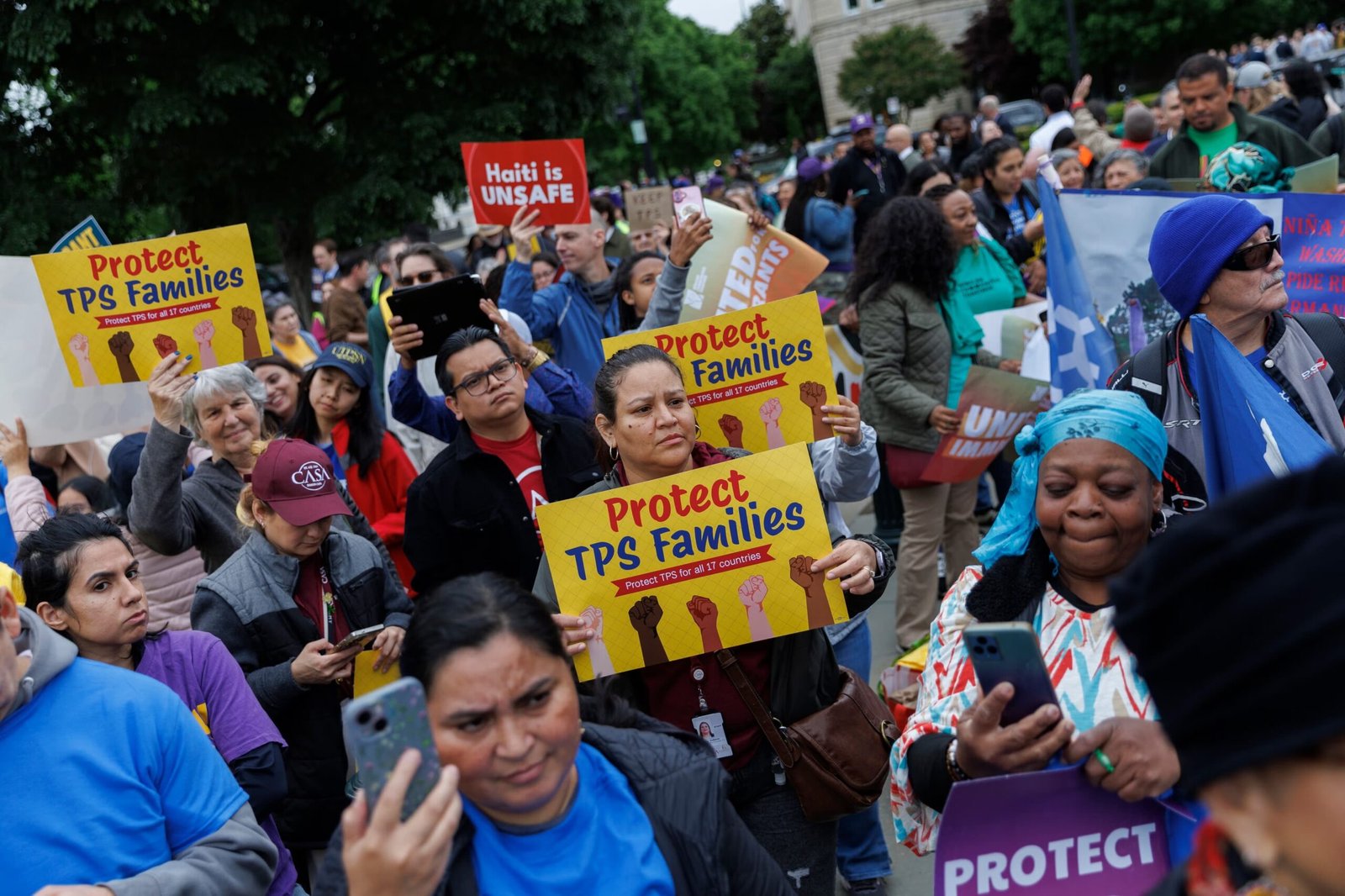
In the second case, the court ruled that the Trump administration can cancel Temporary Protected Status for Haiti and Syria, and further determined that federal law generally bars judicial review of any future TPS designation and termination decisions.
What TPS Is — and What Losing It Means for Hundreds of Thousands of People
Temporary Protected Status is granted when it is deemed unsafe for citizens of a country to return to their homelands due to armed conflict, political instability, or natural disaster. About 350,000 Haitians and 6,100 Syrians are believed to currently be living in the US under TPS. Following Thursday’s ruling, those with TPS face losing their work authorization and could be subject to deportation.
Haiti is not a country people can safely return to right now. Rights groups and experts have warned that Haiti — a country where more than 2,300 people have been killed by gang attacks this year and 1.5 million more have been displaced — is not safe for nationals to return. The legal team representing the group of Haitian nationals that lost at the Supreme Court warned the decision would “directly result in thousands of innocent people dying violent, needless deaths.
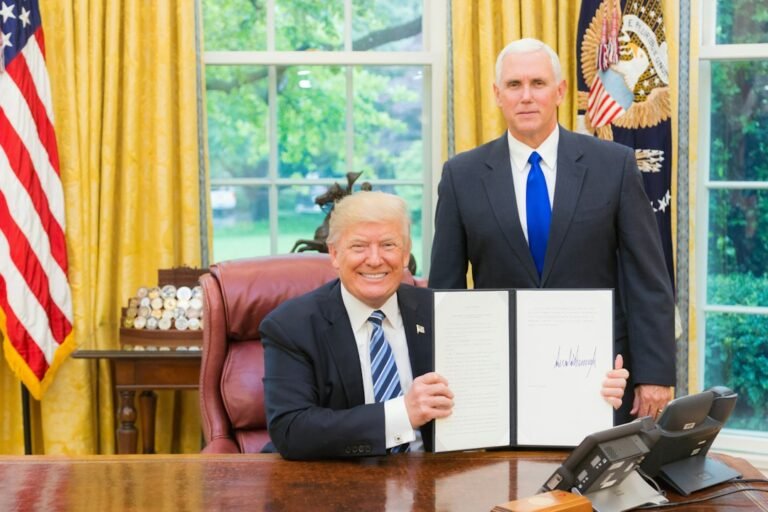
The administration disagrees categorically. White House spokeswoman Abigail Jackson said the TPS ruling was a “tremendous win” and “affirmed what President Trump has always maintained: temporary protected status is, by definition, temporary. It was never intended to be a pathway to permanent status or legal residency.
The Asylum Ruling: What “Metering” Means at the Southern Border
The second ruling addressed a practice known as metering — physically blocking migrants from crossing the border before they can formally request asylum protection.
In Mullin v. Al Otro Lado, the court upheld a policy allowing US border agents to block immigrants on the Mexican side of the border from seeking asylum on US soil. The ruling reverses a lower court decision that had found metering illegal.
In the majority opinion, Justice Samuel Alito wrote: “The wisdom of the policy of metering alien arrivals at the southern border is not before us. We decide only that an alien standing in Mexico does not ‘arrive in the United States.’ The INA neither entitles such an alien to apply for asylum nor requires an immigration officer to inspect him.
Rights groups argued the practice bypasses domestic law requiring the US to grant the right to apply for asylum to anyone arriving in the country, and that physically blocking individuals incentivizes more dangerous crossing routes.
The practice is not new. Metering dates back at least to the Obama administration, which used it in 2016 in response to a surge in asylum-seekers at the border. Trump formalized the strategy during his first term, allowing agents to decline asylum claims when they deemed they lacked the resources to process them. Thursday’s ruling removes the legal uncertainty around the practice and locks it in permanently.
A Third Ruling: Green Card Holders Can Be Detained Before Conviction
In a third immigration decision Thursday, the court ruled 6-3 that US Customs and Border Protection does not have to have clear and convincing evidence that a lawful permanent resident has committed a crime before deeming that person an applicant for admission subject to additional screening. CBP will now be allowed to defer inspections of green card holders who have been accused of a crime until after conviction.
The Department of Homeland Security’s general counsel called all three rulings “victories for the rule of law and common sense,” adding they give the government “several more important tools to continue securing our borders.
What the Liberal Dissent Said
Liberal justices said the metering ruling “circumvents” US law by allowing agents to prevent asylum seekers from filing a claim. In a notable concurring opinion on the TPS case, Justice Clarence Thomas wrote that “aliens have no equal protection rights against the Federal Government” — a statement that legal scholars said could, if extended to future cases, strip noncitizens of constitutional protections including due process rights under the 5th and 14th amendments. “If you start suggesting that noncitizens don’t have equal protection rights, it could impact fundamental liberty rights,” said one immigration law professor. “Does it mean there won’t be the same right to be free from discrimination in law enforcement activities or policing? The implications would be significant.
What Happens Now
Moving forward, the court wins raise enforcement questions around whether the government will focus on targeted arrests of those losing their TPS, and how officials may try to meter immigrants at border ports of entry given that relatively few people are arriving now.
The 350,000 Haitians now losing TPS protections do not disappear overnight. They can pursue other legal pathways — pending asylum claims, family-based petitions, employment visas — that the TPS ruling does not extinguish. But for the large majority who have no such alternatives, the path to deportation is now fully cleared of its primary legal obstacle.