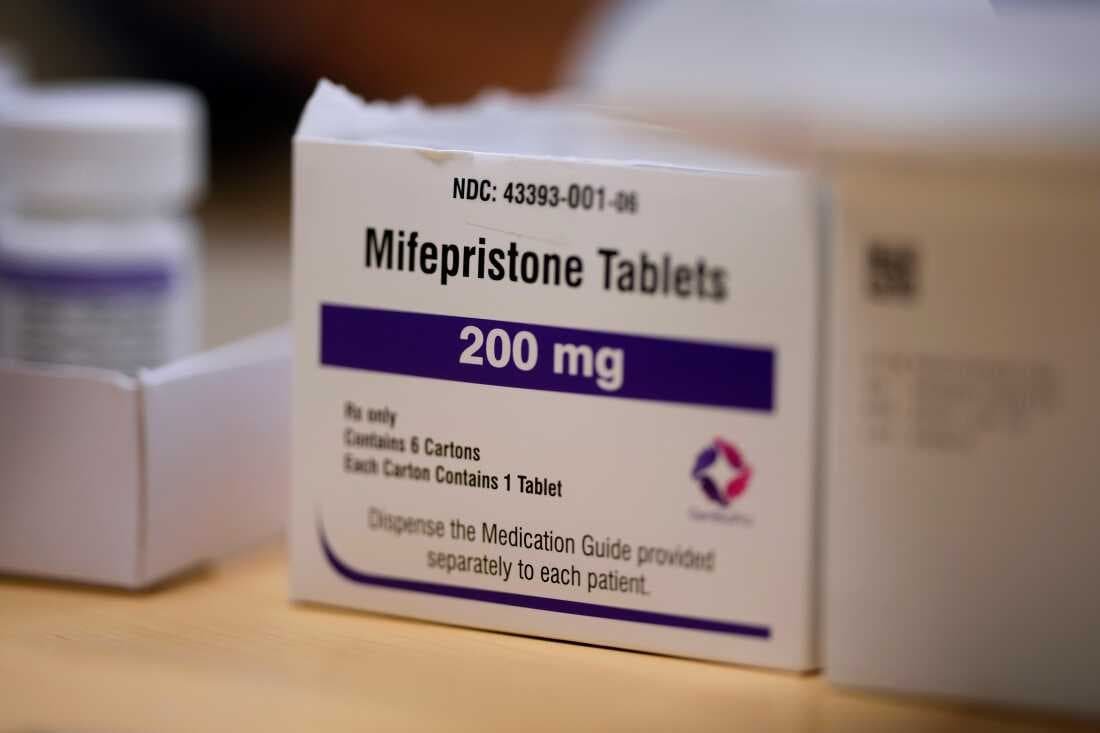

WASHINGTON, May 2, 2026 —
Key Takeaways
- The Fifth Circuit Court of Appeals blocked the mailing of mifepristone nationwide in a ruling issued late Friday — reinstating restrictions that a district court had previously struck down and eliminating the mail-order medication abortion pathway that the FDA explicitly authorized in 2021 and expanded in 2023.
- Mifepristone is used in 63% of all abortions in the United States and is also prescribed for miscarriage management — meaning the ruling affects not only patients seeking elective termination but also women experiencing pregnancy loss who use the drug to complete a miscarriage at home rather than in a clinical setting.
- The ruling is expected to be appealed to the Supreme Court — which has already ruled on mifepristone access once, in a unanimous 2024 decision that dismissed a previous challenge on standing grounds — but that decision left the underlying legal questions about FDA authority unresolved, meaning the high court will now likely need to address them directly.
What Mifepristone Is — and Why the Mailing Pathway Matters
Mifepristone is a synthetic steroid that works by blocking progesterone — a hormone essential for maintaining a pregnancy. It is used in combination with misoprostol as the FDA-approved medication abortion protocol, typically within the first ten weeks of pregnancy. The two-drug regimen has a success rate of approximately 97% when used correctly and has been used by more than 100 million people globally since its development in the 1980s.
The FDA approved mifepristone for use in the United States in September 2000. For the first two decades of its availability, the agency required patients to receive the drug in person at a certified healthcare provider — a requirement that limited access, particularly in rural areas and states with few abortion providers. In 2021, the FDA modified its rules to allow mifepristone to be mailed to patients following a telemedicine consultation. In 2023, the agency went further — removing the in-person dispensing requirement entirely and allowing retail pharmacies to dispense mifepristone with a prescription from any certified provider.
Those two regulatory changes transformed the landscape of abortion access in post-Roe America. Even in states with strict abortion bans, women could obtain mifepristone through telemedicine providers operating from states where abortion remained legal and have the medication shipped to them. The ruling issued Friday effectively ends that pathway. Mailing mifepristone across state lines — or mailing it to patients in states where abortion is restricted — is now prohibited under federal law as interpreted by the Fifth Circuit.
The 21 States Where Access Is Now Most Severely Affected
| Category | States | Impact of Ruling |
|---|---|---|
| Total abortion bans | Alabama, Arkansas, Idaho, Kentucky, Louisiana, Mississippi, Missouri, North Dakota, Oklahoma, South Dakota, Tennessee, Texas, West Virginia | Mail-order mifepristone pathway eliminated — no in-state access |
| Near-total bans (6 weeks) | Georgia, Iowa, South Carolina | Mail-order pathway eliminated — extremely limited in-state access |
| Significant restrictions | Arizona, Florida, Nebraska, North Carolina, Utah, Wisconsin | Mail-order pathway eliminated — in-state access varies |
| Abortion legal and protected | California, New York, Illinois, Colorado, and 26 others | In-person dispensing unaffected — mail-order within state may continue |
For women in states with total abortion bans — Texas, Alabama, Mississippi, and twelve others — the ruling does not close a loophole so much as destroy the primary method by which they had been accessing medication abortion. Telemedicine providers based in states like Colorado, California, and New York had been mailing mifepristone to patients across state lines under shield laws that their home states passed specifically to protect providers from prosecution by ban states. The Fifth Circuit ruling supersedes those shield laws with respect to the federal mailing prohibition.
What the Court Actually Ruled — and What It Did Not
The Fifth Circuit’s ruling is narrow in its technical scope but sweeping in its practical impact. The court did not:
- Declare mifepristone unsafe or revoke the FDA’s approval
- Ban mifepristone from being dispensed in person at pharmacies or clinics
- Prevent physicians from prescribing mifepristone in states where abortion is legal
- Address the drug’s use for miscarriage management separately from its abortion use
What the court did rule is that the FDA exceeded its authority when it modified the drug’s Risk Evaluation and Mitigation Strategy to allow mailing — and that the Comstock Act, a 19th-century federal law that prohibits the mailing of “obscene” materials including instruments of abortion, applies to mifepristone shipments regardless of destination state law.
The Comstock Act application is the most legally significant element of the ruling. The 1873 law has been dormant for decades — federal prosecutors have not enforced it against abortion-related mailings in the modern era — but the Fifth Circuit’s ruling treats it as active federal law that the FDA’s regulations cannot override. If the Supreme Court affirms that interpretation, it would effectively create a nationwide mail ban on abortion medication regardless of state law — the most significant federal abortion restriction since the Dobbs decision.
Miscarriage Management: The Patients Nobody Is Talking About
The conversation around mifepristone focuses almost entirely on abortion access. The drug’s role in miscarriage management — one of its most common and entirely uncontested medical uses — has received far less attention in the ruling’s coverage, and the women affected by this dimension of the decision are rarely the ones who make headlines.
Approximately 10% to 20% of known pregnancies end in miscarriage. Many of those miscarriages are incomplete — the body does not expel all pregnancy tissue on its own, creating a risk of infection and hemorrhage. Mifepristone, used with misoprostol, is the first-line treatment for managing incomplete miscarriage at home, avoiding invasive surgical intervention in cases where the miscarriage is already occurring naturally.
In states with strict abortion bans, healthcare providers have already reported confusion, delays, and refusals to dispense mifepristone even for miscarriage management — because the legal landscape makes pharmacy staff and prescribers uncertain about their liability. The Fifth Circuit ruling does not distinguish between mifepristone mailed for abortion and mifepristone mailed for miscarriage management. The mailing prohibition applies to both.
The Supreme Court Path — and Why It Is Not Guaranteed to Reverse This
In June 2024, the Supreme Court unanimously dismissed a challenge to mifepristone’s approval in Food and Drug Administration v. Alliance for Hippocratic Medicine. The ruling was unanimous — a 9-0 decision — but it was decided entirely on standing grounds. The plaintiffs — a group of anti-abortion physicians — could not demonstrate they had been personally harmed by the drug’s availability. The Court explicitly declined to address whether the FDA acted lawfully in expanding mifepristone access.
That left the core legal questions intact. The Fifth Circuit has now ruled on those questions — finding that the FDA did exceed its authority and that the Comstock Act applies. An appeal to the Supreme Court is certain, and the Court will almost certainly grant certiorari given the national significance of the ruling and the direct conflict it creates with FDA regulatory authority.
Whether the current Court — which already overturned Roe in Dobbs — will reverse a ruling that restricts mifepristone access is a question that legal experts describe as genuinely uncertain. The Dobbs majority opinion explicitly stated it was addressing only the constitutional right to abortion, not the regulation of abortion medications. Nothing in that decision requires the Court to uphold the Fifth Circuit’s Comstock Act interpretation. But nothing prevents it from doing so either.
Pro Tips a Generic Article Would Miss
1. If you use mifepristone for miscarriage management and live in a state with abortion restrictions, talk to your OB-GYN now about having a prescription on file at a local pharmacy before the ruling takes effect. In-person dispensing at retail pharmacies in states where abortion is legal is unaffected by this ruling. If you are in a state where mifepristone can be legally dispensed, filling a prescription at a local certified pharmacy while in-person access is still available gives you a supply that the mailing ban cannot retroactively affect.
2. The ruling affects mailing — not travel. Women who travel to a state where abortion is legal can still receive mifepristone in person from a pharmacy or clinic in that state. The medication cannot then be legally mailed back to a ban state — but it can be transported by the individual who received it in person. The legal status of crossing state lines with mifepristone obtained legally in another state is governed by state law, not the federal mailing prohibition, and varies significantly by state.
3. Misoprostol — the second drug in the two-drug regimen — is not affected by this ruling and remains widely available. Misoprostol is FDA-approved for multiple purposes including ulcer treatment and is available at most pharmacies without the same restrictions as mifepristone. Used alone, it is approximately 80% effective at terminating early pregnancies — less effective than the two-drug combination but still widely used globally where mifepristone is unavailable. The World Health Organization includes misoprostol-alone as a safe and effective option when mifepristone is inaccessible.
The legal battle over mifepristone has not ended — it has moved to its next stage. The Fifth Circuit has ruled. An appeal to the Supreme Court will follow. Whether the Court takes the case, and how it rules if it does, will determine whether this ruling stands as the new legal baseline for medication abortion access in the United States or whether it is reversed. In the meantime, the practical impact is immediate: the mailing pathway that millions of American women have relied on since 2021 is blocked. The in-person alternatives that remain are geographically inaccessible to most of the women who were using the mail pathway — which is precisely why it existed.
Frequently Asked Questions
Q: Is mifepristone still legal in 2026? A: Yes. The FDA approval of mifepristone has not been revoked and the drug remains legal. The Fifth Circuit’s ruling blocks the mailing of mifepristone — it does not ban the drug itself. Mifepristone can still be dispensed in person at certified pharmacies and clinics in states where abortion is legal.
Q: Which states are most affected by the mifepristone mailing ban? A: Women in the 13 states with total abortion bans are most severely affected, as they have no in-state access to abortion services and the mail-order pathway was their primary means of accessing medication abortion. States with six-week bans and significant restrictions are also heavily affected.
Q: Does the mifepristone ruling affect miscarriage treatment? A: Yes. Mifepristone is commonly used for miscarriage management in addition to abortion. The Fifth Circuit’s ruling does not distinguish between these uses — the mailing prohibition applies to both. Women managing miscarriages who relied on mail-order mifepristone are affected.
Q: Will the Supreme Court reverse this ruling? A: It is unknown. The Supreme Court’s 2024 ruling on mifepristone was decided on standing grounds and did not address the underlying legal questions. An appeal is certain, but whether the Court will reverse the Fifth Circuit’s Comstock Act interpretation is a question that legal experts describe as genuinely uncertain.
Q: What is the Comstock Act and why does it matter? A: The Comstock Act is an 1873 federal law that prohibits the mailing of obscene materials, including instruments of abortion. The Fifth Circuit ruled that mifepristone shipments are covered by this law regardless of destination state law. If the Supreme Court affirms this interpretation, it would create a nationwide mailing ban on abortion medication independent of any state abortion law.