
WASHINGTON, June 15, 2026 —
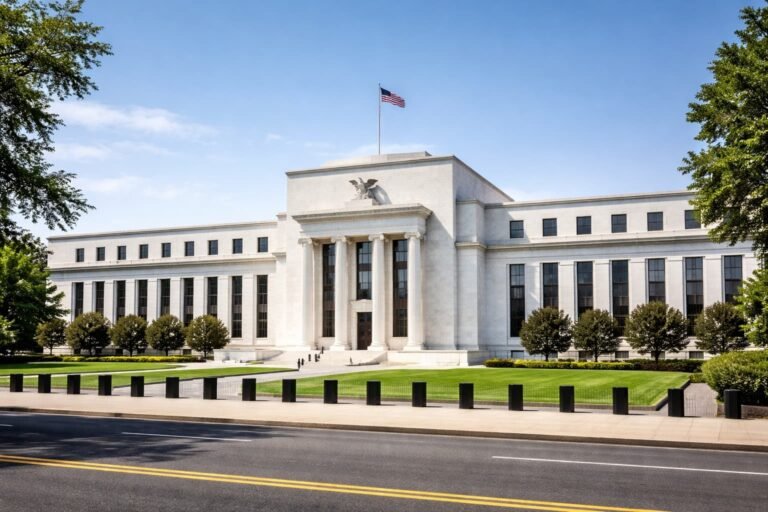
The Federal Reserve’s June 16–17 meeting begins tomorrow morning, and it arrives at one of the more consequential moments in American monetary policy in years. Kevin Warsh — sworn in as the 17th Fed chair just 24 days ago — will chair his first policy session with inflation running at a three-year high, a deeply divided committee, and a housing market in which millions of American families are frozen out of buying or selling a home. Whatever happens Wednesday at 2 p.m. Eastern, the ripples will reach every mortgage holder in the country.
Key Takeaways:
- The Fed is universally expected to hold rates at 3.50%–3.75%, but the real market-mover will be Warsh’s Wednesday press conference and whether the Fed shifts from an easing bias to a neutral or tighter stance.
- The 30-year fixed mortgage rate averaged 6.52% for the week ending June 11 — and futures markets now price a 56% chance of a rate hike by year-end, which would push that figure higher still.
- The NAHB Housing Market Index sits at 37 — 13 points below the threshold that signals a balanced market — as builder confidence craters and roughly 80% of existing mortgages carry rates below 6%, keeping homeowners locked in place.
Why the Fed Is Holding — and Why That’s Not the Whole Story
J.P. Morgan Wealth Management Chief Investment Strategist Phil Camporeale said the Federal Reserve is not expected to move rates at the June meeting, and will likely be on hold for the rest of 2026. There will, however, likely be an explicit move away from a bias toward easing to a neutral stance on rates.
That language shift matters more than most Americans realize. When the Fed signals a “neutral” bias, it is telling bond markets it is no longer leaning toward cuts. Bond markets set mortgage rates. If traders price out any remaining hope of rate relief in 2026, the 30-year fixed mortgage rate does not go down — it stays elevated or rises.
The latest Consumer Price Index showed inflation rising 4.2% year over year in May, and 2.9% when volatile food and fuel prices are excluded. Both figures are well above the Fed’s 2% inflation target. May’s employment report showed the U.S. economy added 172,000 net new jobs, and the unemployment rate remains low at 4.3%. A healthy job market with hot inflation is precisely the environment in which central banks historically tighten — not ease.
What Kevin Warsh Has Signaled — and Why Markets Are Nervous
New Federal Reserve Chair Kevin Warsh faces a combustible mix of surging inflation, a red-hot labor market, and energy-price shocks from the U.S.-Iran war at his first FOMC meeting. The quarterly dot plot’s lone remaining 2026 rate cut is expected to be erased, and Warsh may move to scrap the dot-plot framework altogether — fulfilling his pledge of a “regime change in the conduct of policy.” Futures markets now price a 56% chance of a rate hike by year-end.
The stock market entered 2026 at its second-priciest valuation in history, meaning it has no margin for error. Even a subtle shift to a neutral bias would indicate to Wall Street that rate hikes are becoming far more likely — awful news for a stock market that is relying, in part, on debt to finance the artificial intelligence data center build-out.
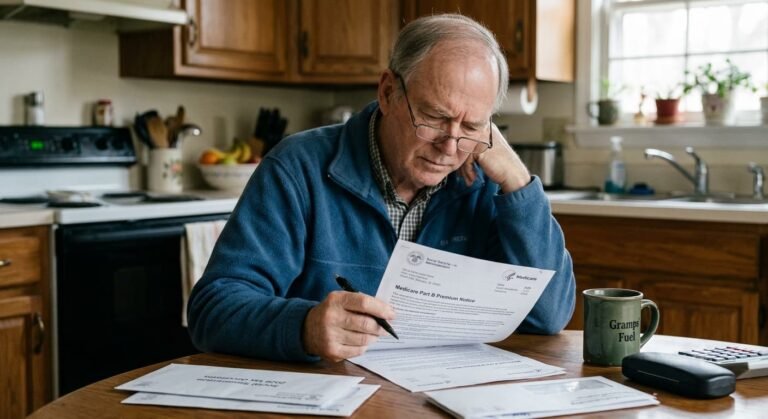
For ordinary Americans, the translation is simpler: if Warsh signals higher rates ahead, borrowing gets more expensive. Credit cards, car loans, home equity lines, and new mortgages all track the Fed’s direction.
The Housing Market Numbers That Tell the Real Story
| Indicator | Current Reading | What It Means |
|---|---|---|
| 30-year fixed mortgage rate | 6.52% (week of June 11) | Near decade high relative to pre-2022 |
| 15-year fixed mortgage rate | ~5.8% | Down slightly, but still high |
| NAHB Housing Market Index | 37 (May 2026) | Below 50 = buyer traffic declining |
| Existing home sales forecast | 4.2 million (annualized) | Up 3% from 2025, still near historic lows |
| Median existing home listing price | ~$399,900 | Essentially flat year-over-year |
| Share of mortgages below 6% rate | ~80% of all mortgages | Lock-in effect freezing sellers in place |
| Home price growth forecast | 1%–1.6% nationally | Well below wage growth for first time in years |
Sources: Freddie Mac, NAHB, Redfin, Reuters Poll of Forecasters, Zillow, June 2026.
The benchmark 30-year mortgage rate has hovered around 6.6% in recent months — well above the 4.3% average recorded over the previous decade. Forecasters surveyed between June 1 and June 11 do not expect it to fall meaningfully any time soon. Median forecasts show the 30-year rate at 6.4% next quarter and 6.3% in the fourth quarter.
The Lock-In Effect: Why 80% of Homeowners Are Staying Put
The single largest structural problem in the American housing market right now is not prices — it’s paralysis. Roughly 80% of mortgages carry a rate of 6% or lower, and the lock-in remains a market headwind as homeowners who locked in low rates during the pandemic era have been reluctant to sell. Doing so would mean taking on a new mortgage at today’s rates.
The practical consequence: there are millions of people who would like to move — downsizing retirees, growing families, workers relocating for jobs — but who are rationally staying put because selling means trading a 3% mortgage for a 6.5% one. That creates a market stuck between demand that exists in theory and inventory that doesn’t exist in practice.
New listings recorded one of the sharpest single-week drops of 2026 in late May as sellers pulled back in response to rising rates and cooling demand. Inventory is slowly improving, but only gradually.
What Warsh’s Wednesday Press Conference Could Change for American Homebuyers
If Warsh uses Wednesday’s press conference to signal that rate hikes are genuinely back on the table — not just a tail risk but an active consideration — mortgage rates will not wait for the Fed to actually move. They will price it immediately. A 30-year rate that is currently 6.52% could move toward 7% on the strength of a single paragraph in a prepared statement.
If, on the other hand, Warsh strikes a careful, data-dependent tone and avoids explicit hawkish language, markets may read that as a reprieve. Mortgage rates could stabilize or nudge slightly lower, which has historically been enough to bring a small wave of buyers back into the market.
For the past three meetings, the FOMC has included an identical sentence in its post-meeting statement. A change in that language, or the shift from an easing bias to a neutral stance, may have a notable impact on financial markets.
The dot plot — the Fed’s published forecast of where individual members think rates are going — lands Wednesday alongside the rate decision. That single chart, updated quarterly, moves bond yields and mortgage rates more reliably than almost any other piece of economic data the Fed releases.
What the Iran Peace Deal Changes — and Doesn’t Change
There is a wildcard in play that Warsh will have to address. The U.S.-Iran ceasefire announced Sunday morning removes one major source of energy price uncertainty. Oil prices fell on the news. If the Strait of Hormuz reopens fully over the coming weeks and oil flows normalize, one driver of the 4.2% inflation reading — energy costs — could ease meaningfully by August.
But the Fed does not react to announcements. It reacts to data. May inflation was already measured and printed before Sunday’s deal. The June CPI, released in mid-July, will be the first reading to potentially capture any peace dividend on oil. Warsh cannot cut rates based on a ceasefire that may or may not hold through a 60-day nuclear negotiation window. He can only note the uncertainty and wait for numbers.
For American homeowners and buyers, the bottom line is this: Wednesday’s press conference is the most important housing policy event of the summer, even though it will never use the word “housing” once.