
WASHINGTON / WEST PALM BEACH, May 3, 2026 —
In back-to-back statements less than 16 hours apart, President Trump suggested Friday night that the United States might be better off not reaching a deal with Iran — then walked that statement back Saturday morning before leaving Palm Beach for Miami, telling reporters he had been misunderstood. The reversal did nothing to clarify the administration’s actual negotiating position, and it left oil markets, diplomatic observers, and congressional leaders trying to interpret what Trump actually wants from a conflict that has now entered its 65th day.
The episode crystallized the central uncertainty of the Iran war’s current phase: both sides have the capacity to endure, neither has the willingness to fully concede, and the economic damage is accumulating for everyone.
What Trump Said — and What He Said He Meant
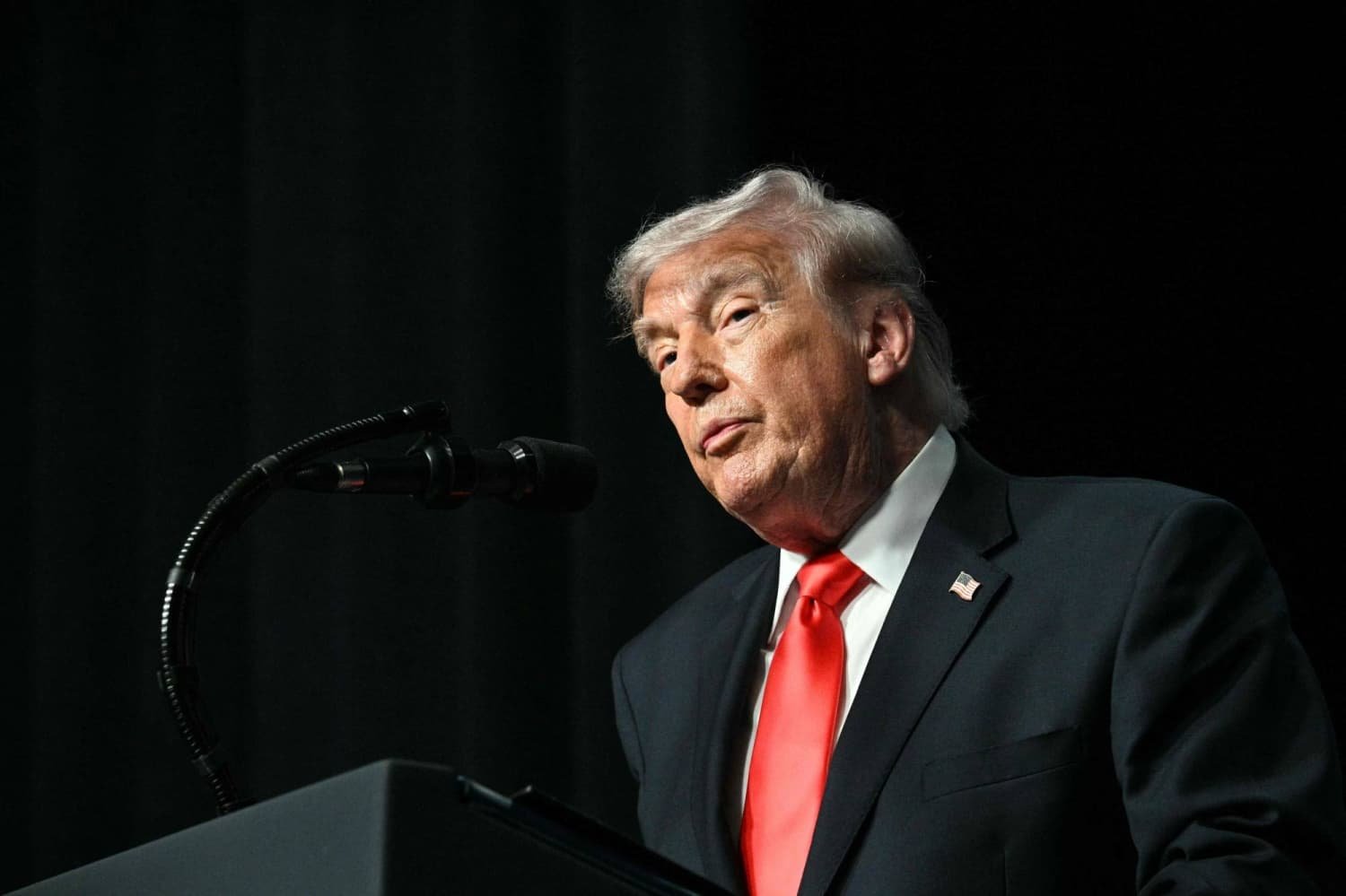
At an event in West Palm Beach on Friday evening, Trump told the crowd: “Frankly, maybe we’re better off not making a deal at all. Do you want to know the truth? Because we can’t let this thing go on.”
The statement landed immediately in oil markets. Brent crude, which had pulled back slightly from its $126 peak after Trump’s Thursday declaration that hostilities were “terminated,” reversed course. The no-deal signal, interpreted as a potential resumption of active military operations, pushed prices back toward $122 in after-hours trading.
Saturday morning, Trump told reporters before boarding a flight from Palm Beach to Miami: “I said that if we left right now, it would take them 20 years to rebuild. But we’re not leaving right now.” He described his Friday night remarks as a statement about American leverage — that the U.S. military campaign has so severely degraded Iranian infrastructure that walking away without a deal would still represent a U.S. victory — rather than a declaration that no deal would be pursued.
The clarification raised as many questions as it answered. If leaving now would be a victory, why continue? If a deal is still being pursued, what terms would make it acceptable? The White House did not address either question in follow-up communications Saturday.
Where the Negotiating Positions Stand
| Issue | US Position | Iran Position | Gap |
|---|---|---|---|
| Strait of Hormuz | Full reopening as precondition | Linked to naval blockade removal | Wide |
| Nuclear enrichment | Halt for minimum 10 years | Non-negotiable sovereign right | Unbridgeable so far |
| Naval blockade removal | Contingent on deal compliance | Immediate precondition | Wide |
| Frozen assets | Phased release tied to compliance | Full upfront release | Wide |
| Enriched uranium stockpile | Must leave Iran | Retaining as negotiating chip | Wide |
| Hezbollah proxy network | Must be addressed in any deal | Outside scope of bilateral talks | Very wide |
Secretary of State Marco Rubio described Iran’s most recent proposal as containing ideas that were “very good” — a characterization that represented the most positive language any administration official has used about an Iranian proposal since talks began. But Rubio simultaneously said the nuclear issue remains “the reason we’re in this” and that no deal excluding meaningful nuclear concessions is acceptable to Washington.
Iran’s negotiators, speaking through Pakistani mediators, have continued to offer Strait reopening and ceasefire terms while treating the nuclear file as a separate track for future discussion. That gap — between Washington’s insistence on linking the two issues and Tehran’s insistence on separating them — is the diplomatic impasse that no amount of back-channel messaging has resolved.
The Treasury Advisory That Complicates Everything
The U.S. Treasury Department issued a formal advisory this week warning that shipping companies risk sanctions if they pay Iran’s transit tolls to pass through the Strait of Hormuz. The advisory puts the global shipping industry in an impossible position: refuse to pay and face potential denial of passage from Iranian authorities; pay and face U.S. sanctions.
Before the war, approximately 3,000 vessels passed through the Strait in a typical month. In March 2026, the figure was 154. The combination of the naval blockade, Iran’s toll system, the Treasury sanctions advisory, and the physical risk of operating in an active conflict zone has reduced Strait traffic by more than 95% from pre-war levels.
At that reduction rate, Goldman Sachs now projects Brent crude will remain above $110 through at least Q3 2026, even accounting for some recovery in shadow fleet circumvention. Every week without a deal costs the global economy an estimated $8 to $12 billion in elevated energy costs — a number that includes the direct fuel cost increase, the freight cost pass-through, and the cascading inflationary effects across the full supply chain.
The Midterm Dimension Trump Cannot Ignore
The political context surrounding Trump’s contradictory Friday-Saturday statements is the midterm elections — now exactly six months away. The NPR/PBS NewsHour/Marist poll this week showed Trump’s approval rating at 39% — among the lowest of his presidency — with the Iran war and gas prices at $4.30 a gallon cited as the two most significant drivers of dissatisfaction.
Congressional Republicans, who have spent three months deferring to the president on Iran strategy, are beginning to express concern in private. The Republican chairmen of both Armed Services Committees issued a joint statement this week saying they were “very concerned” about the Pentagon’s decision to withdraw 5,000 troops from Germany — a move that several Republican senators said signals either strategic overextension or a coming retrenchment in the broader U.S. military posture that was not sufficiently communicated to Congress.
Trump’s Friday night comment — that the U.S. might be better off without a deal — may have been intended as a negotiating pressure signal to Tehran. It was received by Republican lawmakers as an acknowledgment that a deal may not come before the November elections. Whether that acknowledgment is accurate, and whether it shifts Republican Congressional willingness to continue deferring to the White House on the war, will be determined in the weeks ahead.
For now, the war that Trump told Congress is “terminated” continues. The deal that Rubio says contains “very good” ideas has not been accepted. And the Strait of Hormuz, through which 95% less oil is flowing than before the conflict began, remains the most expensive unresolved diplomatic standoff in the world.