
ISLAMABAD / WASHINGTON, APRIL 21, 2026 —
The two-week ceasefire between the United States and Iran expires today. And for the first time since the war began on February 28, President Donald Trump himself is signaling he may travel to Islamabad to sign a deal in person — a development that would mark the most dramatic diplomatic moment of his presidency and potentially end the most consequential conflict of 2026 before sunset.
Trump expressed confidence Monday that a final agreement with Iran would be concluded on Tuesday. He added that if a deal is reached, he may personally travel to Pakistan for the signing. The American negotiating team — Vice President JD Vance, special envoy Steve Witkoff, and Jared Kushner — was already en route to Islamabad as the ceasefire’s final hours ticked down.
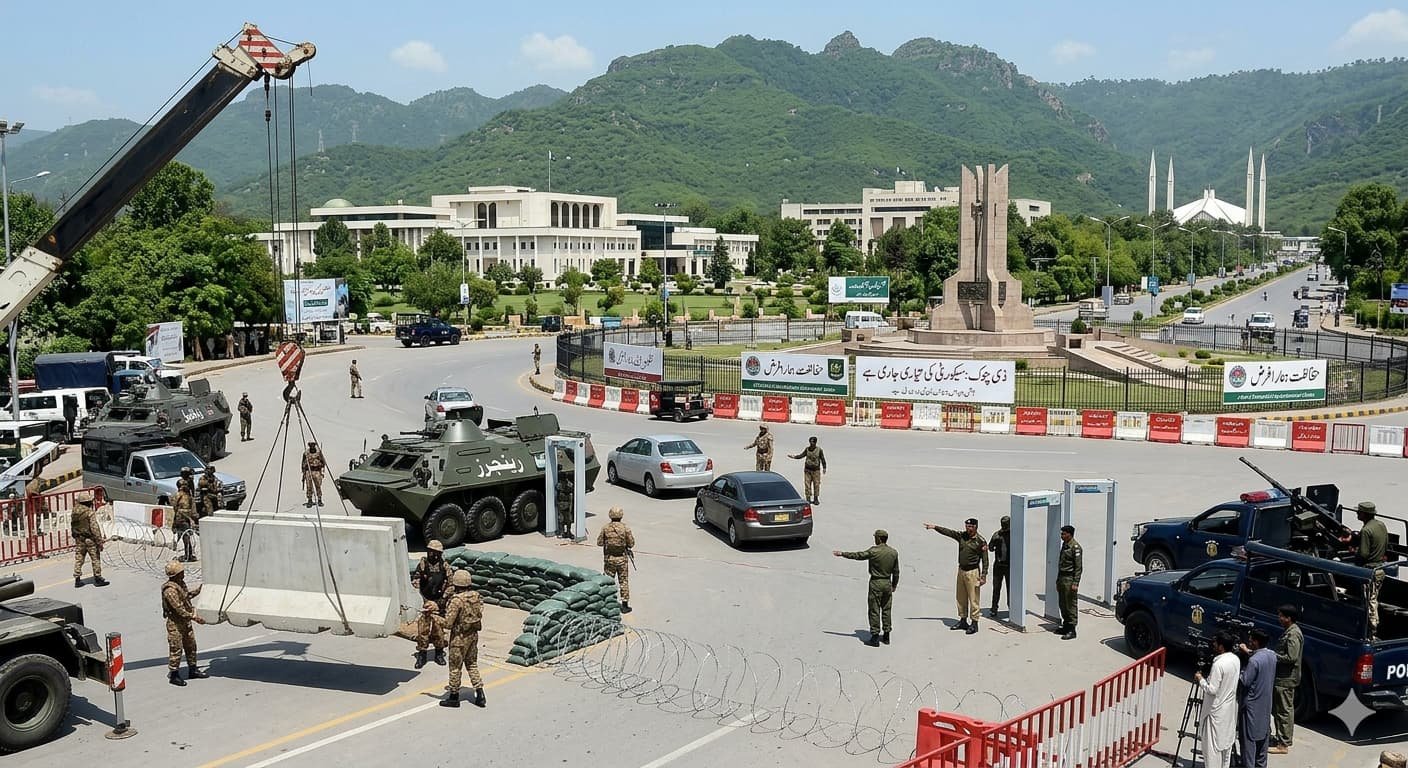
Iran had not officially confirmed it was sending a delegation. But the preparation on the ground in Islamabad told a different story: Pakistani security forces had sealed off the city center, C-17 cargo planes were parked on the tarmac at the air base, and Pakistan’s entire diplomatic apparatus was visibly mobilized for an event of historic scale.
What Changed in the Final 24 Hours
The weekend had looked bleak. The US Navy seized the Iranian cargo vessel Touska on Sunday. Iran fired drones at American warships in the Gulf of Oman in retaliation. Trump accused Iran of a ceasefire violation and threatened to strike Iranian power plants and bridges if talks collapsed. Iran’s parliament speaker said Tehran would not capitulate and was ready to “reveal new cards on the battlefield.”
Then, in the early hours of Monday, the tone shifted. Trump told reporters he was confident a deal would close on Tuesday. Iranian state media, which had been running skeptical coverage about American intentions, began carrying more measured language. Pakistan’s entire diplomatic effort — the prime minister in the Gulf states, the army chief having gone directly to Tehran last week, the foreign minister declaring the deal 80% complete — appeared to be producing a result in the final window.
The US Navy’s seizure of the Touska and Iran’s drone retaliation were, paradoxically, the kind of escalation that sometimes breaks logjams rather than ending negotiations. Each side demonstrated it was willing to use force. Each side also held back from striking first at the other’s core assets — Iran did not strike American warships directly, and the US did not strike Iranian military positions in retaliation for the drones. That restraint, exercised simultaneously while both sides accused the other of ceasefire violations, is what diplomats often describe as the last opportunity before the door closes.
What a Deal Would Look Like
The shape of a potential agreement has become clearer through the negotiating positions that leaked over the past week. The deal being discussed is not a permanent peace agreement — it is a framework that would require months of follow-on negotiations to complete. But a framework agreement, paired with a ceasefire extension of 30 to 45 days, would accomplish the most urgent objectives for both sides.
On nuclear enrichment — the issue Vance called the single greatest obstacle — the US proposed a 20-year suspension. Iran countered with five years. The number that appears to be under active discussion is somewhere in between, with verification mechanisms that would allow international inspectors access to Iranian facilities as a confidence-building measure during the extension period.
On the Strait of Hormuz, the working formula involves Iran allowing commercial shipping to transit freely during the extension period while final sovereignty and management arrangements are negotiated as part of a permanent settlement. Iran would not formally surrender its claimed right to manage the Strait — but it would exercise that right by opening it rather than closing it.
The US port blockade of Iranian shipping would be suspended upon signing, not lifted permanently — resuming automatically if Iran fails to meet its obligations during the extension.
Russia has a live offer on the table to take custody of Iran’s stockpile of highly enriched uranium as an interim arrangement. If Iran accepted that offer, the most immediately dangerous material — the fissile stockpile that American officials describe as sufficient to produce multiple bombs on short notice — would leave Iranian territory under international supervision without requiring Iran to formally dismantle its enrichment program.
What Happens If There Is No Deal Today
Trump threatened strikes on Iranian civilian infrastructure — power plants, water facilities, bridges. Iran threatened retaliatory strikes on Gulf Arab oil and desalination facilities. Mediators have privately told both governments that such an exchange would likely trigger a humanitarian catastrophe in the Gulf states and a global energy shock large enough to push the world economy into recession.
Beyond the immediate military and economic consequences, a collapse of talks today would be a significant diplomatic defeat for Pakistan, whose entire regional standing has been invested in the mediation. It would also put the Trump administration in the position of having committed military resources, diplomatic energy, and political capital to a war that produced neither victory nor peace — a difficult position ahead of November midterm elections with gas prices at $4.12 nationally and approval ratings already under pressure.
Oil markets are pricing a deal. The S&P 500 closed at an all-time record last week on peace optimism. Global shipping insurers are watching the Islamabad airport. The next several hours — whether they produce a handshake, a signed framework, or a resumed bombardment — will determine the trajectory of the global economy for the remainder of 2026.