
WASHINGTON, APRIL 20, 2026 —
The United States Navy fired on and seized an Iranian-flagged cargo ship in the Gulf of Oman over the weekend, Iran vowed retaliation the moment the safety of its crew is confirmed, and the two-week ceasefire that has kept missiles out of the sky expires tomorrow at midnight.
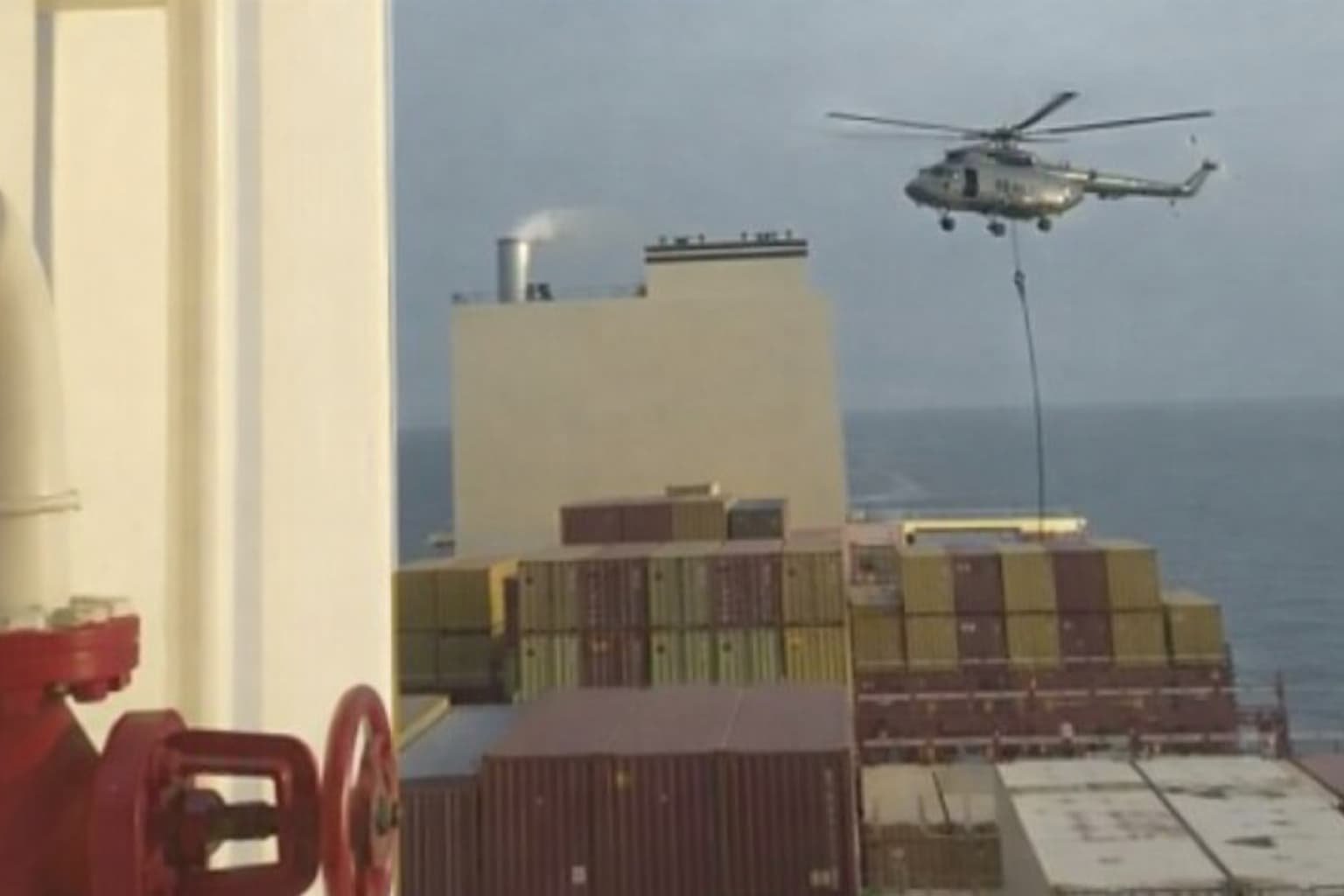
The USS Spruance intercepted the Iranian cargo vessel Touska as it attempted to transit toward an Iranian port in violation of the American naval blockade, US Central Command confirmed Sunday. Night footage released by CENTCOM showed US Marines from the USS Tripoli approaching the ship by helicopter, a rope descent visible in the darkness, metal containers spread across the deck below. Iran’s military immediately called the seizure a ceasefire violation and threatened a response. Hours later, American officials accused Iran of opening fire on commercial ships attempting to transit the Strait of Hormuz — a charge Iran disputed.
Both sides now accuse each other of violating the same ceasefire. Both sides are nominally still within it. And the clock runs out in 24 hours.
The Confusion Over Talks
The morning of April 20 brought conflicting signals about whether a second round of peace talks would happen at all before the deadline.
Trump told reporters Sunday evening that Vice President JD Vance and the US negotiating team — Vance, special envoy Steve Witkoff, and Jared Kushner — would travel to Islamabad Monday evening, one day before the ceasefire expires. Pakistani authorities appeared to be preparing for exactly that: two giant US C-17 cargo planes landed at an Islamabad air base Sunday afternoon carrying security equipment and vehicles. Municipal authorities halted public transport and heavy goods traffic through the Pakistani capital.
Then Iran’s Foreign Ministry spokesperson stepped in front of cameras and said flatly that there were no plans for a second round of negotiations. No date, no confirmation, no delegation. The US was heading to a table Iran had publicly declined to sit at.
By midday Monday, the situation remained unresolved. The White House had not formally confirmed Vance’s travel. Iran had not formally reversed its position. Pakistan, the indispensable mediator that has held this entire diplomatic track together since April 8, was working every channel available — the Pakistani prime minister in Saudi Arabia and Qatar, the army chief having made his emergency trip to Tehran last week, the foreign minister at a diplomatic forum in Turkey declaring the deal 80% complete.
Whether 80% complete is enough depends entirely on whether both parties show up in the same room before tomorrow night.
What the Seizure of the Touska Actually Means
The seizure of the Touska is the first time the United States has physically taken control of an Iranian vessel since the naval blockade began on April 13. It is a significant escalation — not in firepower, but in the tangible exercise of American military authority against Iranian state assets.
Iran’s pledge to retaliate “once the safety of the families and crew of the vessel is ensured” is carefully worded. It is a commitment to respond, not an immediate trigger. Tehran is holding its retaliation in reserve, likely to be deployed either as leverage in negotiations or as the opening move if the ceasefire collapses entirely and war resumes.
The core standoff has not shifted: Iran will not sit down at a negotiating table while the port blockade cuts off its oil revenue. The US will not lift the blockade until a final agreement is signed. Iran’s two remaining levers — the Strait of Hormuz and the threat of retaliation for the Touska — are its only tools for forcing a change in American posture short of renewed military exchange.
What Happens at Midnight Tomorrow
If the ceasefire expires without a deal or a formal extension agreed to by both sides, the Trump administration faces a decision that has been building since February 28.
Trump has threatened strikes on Iranian civilian infrastructure — power plants, bridges, water facilities. Iran has threatened retaliatory strikes on Gulf Arab oil and desalination facilities. The IMF has warned that such an escalation could trigger a global recession. European governments have warned that jet fuel reserves are critically low. Twenty-thousand seafarers remain stranded on ships locked in the Gulf.
None of that changes the arithmetic for either government unless something breaks the impasse in the next 24 hours. The C-17s on the tarmac in Islamabad suggest the United States still believes something might.