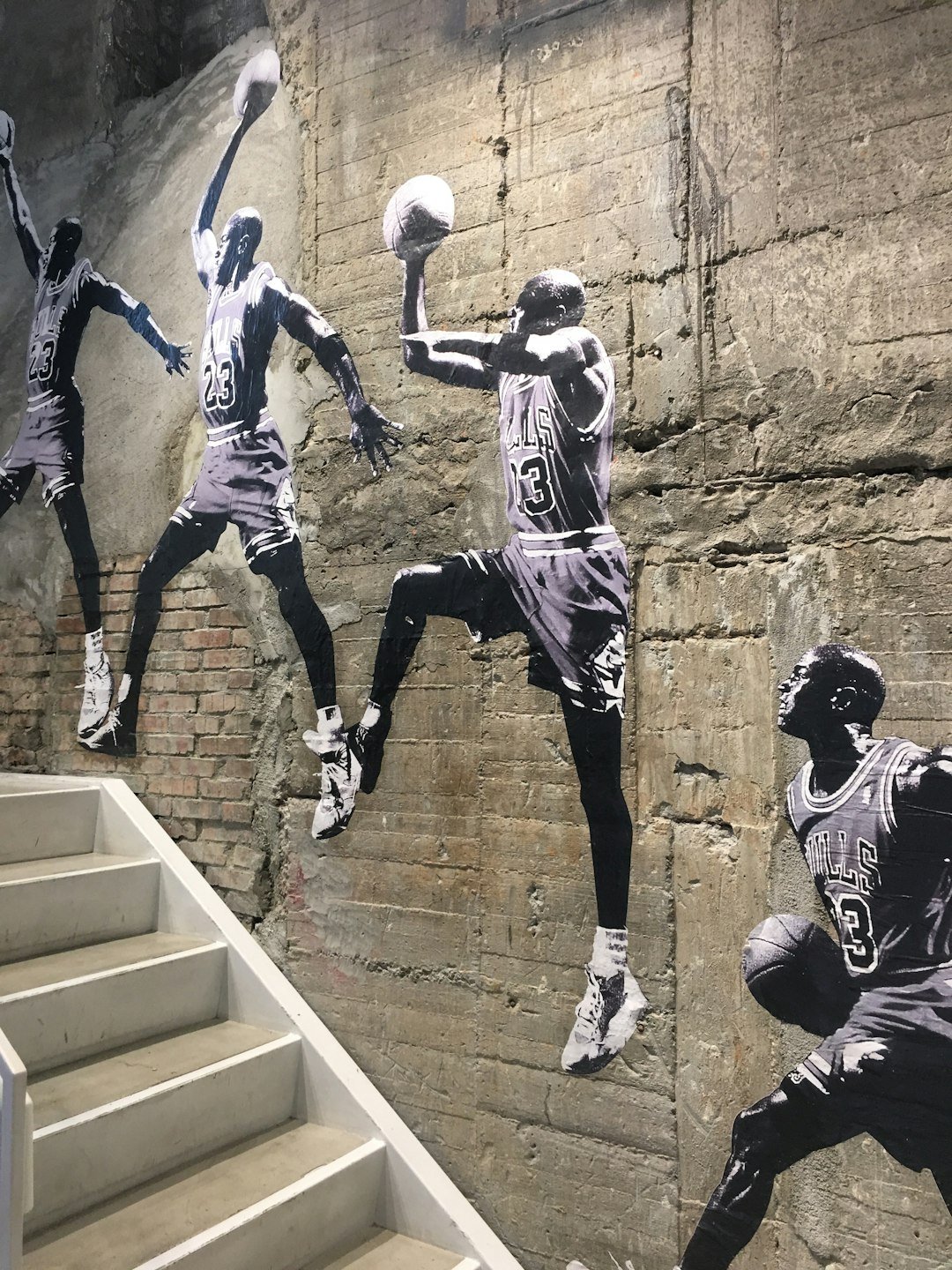

Photo by Howard Chai on Unsplash
A game-worn, autographed Michael Jordan road jersey from the 1998 NBA Finals has been privately sold for $14 million, setting a new record for basketball memorabilia. The sale was announced Monday and is being called the highest price ever paid for a piece of basketball memorabilia.
Pennsylvania-based Hunt Auctions announced the private treaty sale and identified the buyer as Miami real estate investor Ron Firman. The transaction did not take place at a live or online auction event but was instead negotiated privately, a structure increasingly common for ultra-high-value collectibles where sellers and buyers prefer discretion over the drama of a bidding war.
The Jersey’s Storied History
The red jersey is the one Jordan wore in Game 2 of the 1998 NBA Finals on June 5, 1998, when he and the Chicago Bulls beat the Utah Jazz to even the series at a game apiece. That game came during what many consider the final, defining chapter of Jordan’s career with Chicago, a season later immortalized in documentaries and retrospectives chronicling the Bulls’ dynasty.
Provenance matters enormously in high-end memorabilia sales, and this jersey’s paper trail is unusually clean. The jersey was originally bought from the Bulls by a private collector in 2003 and has remained within a tightly documented chain of custody, having changed hands only once since. That kind of traceable history, verified by game photographs, team records, and expert authentication, is often what separates a seven-figure sale from an eight-figure one. Collectors and auction houses alike have grown increasingly cautious about forgeries and misattributed items, making documented chains of custody a prized feature rather than a formality.
Jordan and the Bulls would go on to win the 1998 NBA Finals series in six games, the sixth and final title of his Hall of Fame career. That championship closed out the second of Jordan’s two three-peats with Chicago and cemented his legacy as, in the eyes of many fans and historians, the greatest basketball player of all time. The jersey therefore represents not just a single game but a symbolic bookend to one of sports’ most celebrated dynasties.
A Record, But Not the Biggest Ever
Despite the staggering figure, the $14 million price would be the second-biggest known cost for a game-worn jersey, behind the $24.12 million paid in 2024 for Babe Ruth’s “called shot” jersey from the 1932 World Series. That earlier sale, involving one of baseball’s most mythologized artifacts, set a benchmark that many assumed would stand untouched for years. Jordan’s jersey now sits as the closest challenger, underscoring how quickly the ceiling for sports memorabilia has risen in just the past two years.
The comparison between the two jerseys also highlights a broader shift in the collectibles market, where items tied to transcendent athletes are increasingly valued alongside — and sometimes above — traditional investment assets. Below is a quick look at how the two record sales compare:
- Babe Ruth’s 1932 “called shot” jersey: $24.12 million (sold in 2024)
- Michael Jordan’s 1998 NBA Finals Game 2 jersey: $14 million (sold this year)
Buyer and Seller React
Firman, the Miami-based investor who purchased the jersey, expressed enthusiasm about adding the piece to his collection. “Michael Jordan was an incredibly talented player who is admired around the world,” he said, adding, “I’m very excited about the purchase.” His comments reflect a sentiment shared by many collectors who view Jordan memorabilia not merely as a financial asset but as a tangible connection to a cultural icon whose influence extended well beyond basketball.
David Hunt, president of Hunt Auctions, framed the sale as part of a larger trend reshaping how collectors and investors think about sports artifacts. Jordan’s importance in the memorabilia marketplace “has now escalated to an elite asset class more typically reserved for iconic works of art,” Hunt said. The comparison to fine art is notable: paintings by masters have long commanded tens of millions of dollars at auction, and Hunt’s remark suggests that elite sports memorabilia is now being spoken of in similar terms by those who broker such deals.
The sale arrives at a moment when demand for Jordan-related collectibles shows no sign of slowing. Trading cards, sneakers, and game-worn apparel tied to his career have repeatedly broken records in recent years, driven by a mix of nostalgia, scarcity, and growing interest from wealthy buyers seeking alternative investments. For Hunt Auctions, the deal reinforces the firm’s role as a major broker in this rarefied corner of the collectibles world, one where single transactions can now rival the value of fine art sales at major auction houses.
As the market for elite game-worn memorabilia continues to climb, Monday’s announcement serves as a fresh marker of just how far prices have come — and a signal that items connected to Jordan’s final championship run in Chicago remain among the most coveted artifacts in sports history.