
WASHINGTON / TEHRAN, April 24, 2026 —
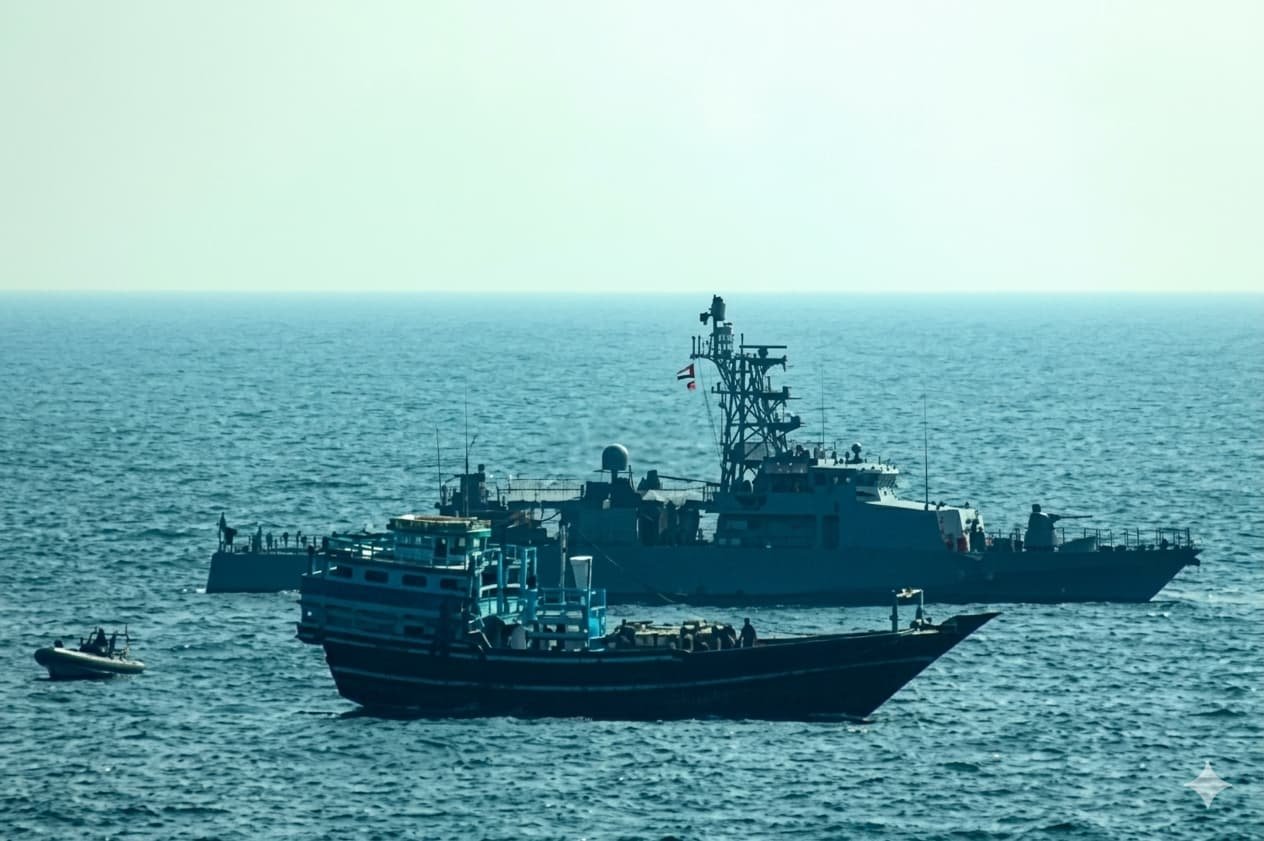
Iran has begun collecting tolls from commercial vessels transiting the Strait of Hormuz, officials in Tehran confirmed Thursday, in a move that analysts say could generate up to $20 million a day in revenue from oil tankers alone — even as the United States Navy reported forcing 31 ships to turn back since President Trump ordered a naval blockade of Iranian ports on April 13.
The dual developments signal that both sides are digging into positions that make a negotiated resolution harder by the day, even as a second round of peace talks remains unscheduled and the fragile ceasefire continues without a defined endpoint.
What Iran’s Toll System Actually Means
The toll announcement is not a minor bureaucratic move. It is a sovereign claim. By charging ships for transit through the Strait — through which roughly 20 percent of the world’s seaborne oil ordinarily flows — Iran is asserting territorial authority over a waterway the United States and international maritime law classify as an international passage open to all.
The practical implications are immediate. Shipping companies now face a choice: pay Iran’s toll and risk U.S. sanctions for providing revenue to Tehran, or refuse and potentially be denied passage through one of the world’s most critical energy chokepoints. Insurance underwriters and freight operators have described the situation as unworkable under current conditions, with many vessels simply avoiding the region entirely rather than navigating the legal and physical risks.
Analysts estimate that at $20 million per day from oil tankers alone, the toll system could partially offset the economic pressure the U.S. blockade was designed to create — giving Tehran a revenue stream that complicates Washington’s maximum pressure strategy.
The Blockade Numbers
| U.S. Naval Blockade — Key Figures | Detail |
|---|---|
| Blockade ordered | April 13, 2026 |
| Vessels turned back by U.S. Navy | 31 (as of April 23) |
| Iranian cargo ship seized | M/V Touska, April 20 |
| Touska length | Nearly 900 feet |
| Cargo aboard Touska (per Iran) | Medical dialysis supplies |
| Strait of Hormuz normal throughput | 20+ million barrels/day |
| Current estimated throughput | ~3.8 million barrels/day |
The seizure of the Touska on April 20 has become a flashpoint. Iran’s Red Crescent Society said the vessel was carrying medical supplies for dialysis patients and called the seizure a violation of international law. The White House rejected that characterization, with President Trump describing the ship as a near-aircraft-carrier-sized vessel that attempted to breach a lawful naval blockade.
Trump: “I Have All the Time in the World. Iran Doesn’t.”
Speaking Thursday, Trump declined to give any timeline for ending the war, pushing back against suggestions that the administration faces pressure to reach a deal quickly. “Time favors the United States and not Iran,” he posted on Truth Social. “I have all the time in the World, but Iran doesn’t.”
That framing reflects a deliberate negotiating posture — but it also carries risk. The longer the Strait remains effectively closed or subject to competing claims of authority, the deeper the disruption runs into global energy markets, American gas prices, and the supply chains that depend on Gulf oil flows. Every week without a deal is a week the economic damage compounds.
The Senate voted Thursday to defeat an Iran war powers resolution for the fifth time, effectively leaving the administration’s military posture intact and without a congressional check.
Where Talks Stand
A second round of direct U.S.-Iran negotiations — the first was held in Islamabad on April 11 and 12 — has no confirmed date, no confirmed location, and no confirmed Iranian delegation. Tehran has not publicly committed to sending representatives. Washington has not set a deadline.
Pakistan, which mediated the first round, has continued referring to the engagement as an ongoing diplomatic process rather than a discrete series of sessions — a framing designed to keep the door open without requiring either side to announce a formal resumption of talks.
Until a second round begins, the Strait remains a contested waterway where Iran charges tolls, the U.S. Navy turns back ships, and the gap between the two sides’ positions — on the blockade, on Iran’s nuclear program, and on frozen assets — has not narrowed in any publicly confirmed way.