
OMAHA, May 16, 2026 —
A rare and deadly outbreak of Andes hantavirus — a pathogen with no approved treatment and a fatality rate as high as 40% — has spread from a luxury Antarctic cruise ship to at least 10 U.S. states, with 18 American passengers now quarantined in Nebraska and one of them isolated in a specialized biocontainment unit after testing positive for the virus.
The CDC has classified the outbreak as a Level 3 emergency response. As of Friday morning, 3 passengers are dead.
What Happened on the MV Hondius
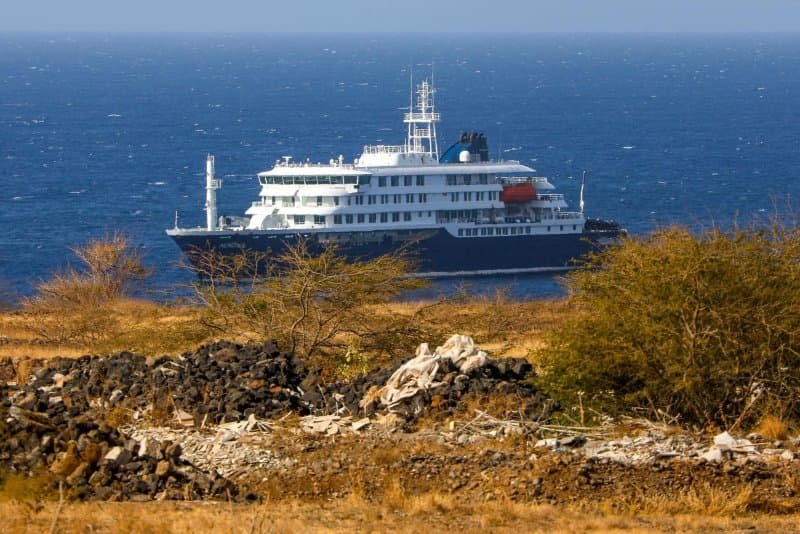
In April 2026, an outbreak of hantavirus infection caused by the Andes virus was identified on the Dutch cruise ship MV Hondius during an Antarctic voyage. There are 8 confirmed cases, 1 inconclusive case, and 2 suspected cases directly linked to the outbreak as of May 13. Three people have died — two confirmed from Andes hantavirus, one suspected.
Before the world became aware of the outbreak, several people on the ship developed a flu-like illness in early April. Among those who fell ill was Dr. Stephen Kornfeld, an oncologist who was taking what he described as the trip of a lifetime and was called on to care for other sick passengers before becoming ill himself. He described night sweats, chills, mild respiratory symptoms, and more than two weeks of severe fatigue.
On May 6, the ship was anchored near Cape Verde. It then traveled to Tenerife in Spain’s Canary Islands, where passengers disembarked. A U.S. government medical repatriation flight brought American passengers to Offutt Air Force Base near Omaha, Nebraska, where they were transported to the National Quarantine Unit at the University of Nebraska Medical Center.
One American Is in Biocontainment. Forty-One Are Being Monitored.
Of the 16 Americans who arrived in Nebraska, all but one are currently housed in the National Quarantine Unit. That patient tested positive for the virus and is being housed in the Nebraska Biocontainment Unit — a facility that operates independently from the quarantine unit with its own dedicated air-handling system using rooftop HEPA filtration.
In addition to the 18 passengers at the Nebraska facility, at least 15 others are being monitored across nine states. Passengers previously disembarked in Arizona, California, Georgia, Texas, and Virginia. People in California, New Jersey, and Maryland are being monitored after exposure to a confirmed case during international flights. Kansas officials are monitoring three people who were not on the cruise but had high-risk exposure to a person with confirmed Andes hantavirus. Minnesota is monitoring one person who may have been exposed overseas to a Hondius passenger who tested positive.
High-risk exposure is defined as anyone who was still on the cruise ship between May 5 and May 10, as well as anyone who had close, prolonged contact with someone who has Andes hantavirus — including sitting near someone with the virus on a plane.
| MV Hondius Hantavirus Outbreak — Current Status | Figures as of May 16 |
|---|---|
| Total confirmed/probable cases | 10 |
| Deaths | 3 (2 confirmed, 1 suspected) |
| Americans in Nebraska quarantine | 18 |
| American in biocontainment unit | 1 (tested positive) |
| U.S. states with monitored individuals | 10+ |
| Total people under monitoring (U.S.) | 41 |
| CDC emergency classification | Level 3 |
| Andes hantavirus U.S. cases confirmed | 0 (as of May 16) |
| Countries represented on MV Hondius | 23 |
Why Andes Hantavirus Is Different From Every Other Strain
Most strains of hantavirus do not spread between people. Andes virus does. That is what makes this outbreak unlike any hantavirus event the United States has managed before.
The Andes virus is the only known hantavirus capable of spreading between humans. It spreads through close, sustained contact and may be airborne. The WHO has emphasized that the risk of a broader epidemic is low, as previous outbreaks have only involved transmission in close-contact settings — but that characteristic alone separates it from every other hantavirus strain, all of which require contact with infected rodents to transmit to humans.
Scientists are now traveling to Ushuaia, Argentina — the southernmost city in the world and the departure point for Antarctic cruises — to determine whether Andes hantavirus was already present in the port environment before the MV Hondius set sail. That investigation will shape how the outbreak is understood and whether any future Antarctic voyages face restrictions.
No Confirmed U.S. Cases — But the Monitoring Window Is Not Over
No cases of Andes hantavirus have been confirmed inside the United States as of Friday morning. CDC officials have declined to offer updates on the conditions of the passengers currently in quarantine in Nebraska, citing patient privacy.
The incubation period for Andes hantavirus ranges from one to six weeks, meaning some passengers who disembarked weeks ago may still be within the monitoring window. The CDC’s guidance classifies the outbreak as a Level 3 emergency response — the same designation used for Ebola and other high-consequence infectious disease events — and has distributed monitoring protocols to state and local health departments across the country.
There is no approved antiviral treatment for hantavirus. Supportive care in an intensive setting is the only clinical response available. The fatality rate for Andes hantavirus in previous South American outbreaks has run between 25% and 40%. For the passengers currently in Nebraska, and for the 41 people being monitored across 10 states, the waiting is the hardest part.