
LOS ANGELES, June 7, 2026 —
Contract negotiations between the union representing food, beverage, and hospitality workers at SoFi Stadium and the hospitality management company contracted by FIFA broke down Saturday, with union representatives saying they walked away from the table without a deal and that their members are prepared to strike before the World Cup’s opening matches if an agreement is not reached.
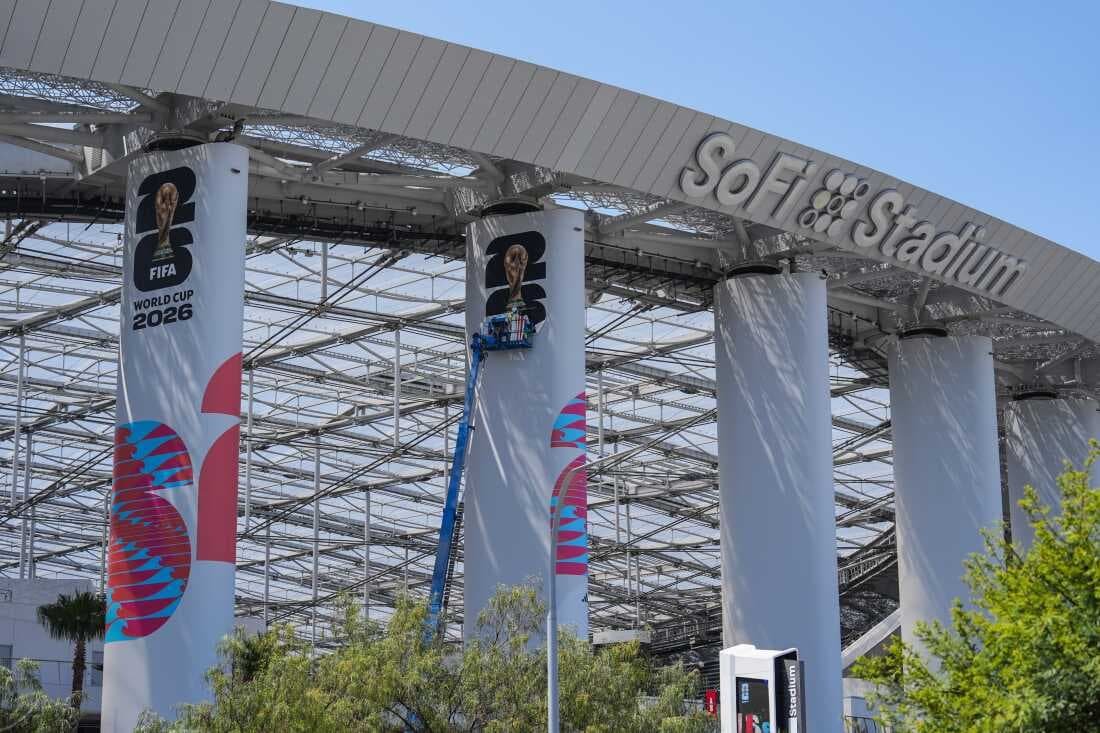
The FIFA World Cup 2026 opens June 11. SoFi Stadium in Inglewood, California is one of the tournament’s primary venues, hosting 11 matches including the final. Eight days separate a potential strike from the first match.
What the Workers Are Demanding — and Why Now
The union — Unite Here Local 11, which represents approximately 2,000 workers at SoFi Stadium including servers, cooks, concession workers, and custodial staff — has been in negotiations with Legends Hospitality, the company managing food and beverage operations at SoFi during the World Cup, since April. The core dispute involves wages, healthcare contributions, and staffing ratios.
Workers are seeking wage increases that reflect the cost of living in Los Angeles — one of the most expensive metropolitan areas in the United States — alongside healthcare contribution structures that have eroded in real terms as premiums have risen. The union argues that the World Cup represents an extraordinary revenue opportunity for SoFi and for Legends Hospitality, and that workers who make the event possible should receive compensation that reflects the moment’s significance.
Legends Hospitality and FIFA have not publicly responded to the union’s characterization of Saturday’s negotiating session. FIFA confirmed that it is aware of the ongoing negotiations and that talks are set to continue Monday, June 8. The tournament organizers did not comment on contingency plans.
What a Strike Would Actually Mean for the World Cup
SoFi Stadium has a capacity of approximately 70,240 for soccer — the largest of any FIFA World Cup 2026 venue. The matches it is scheduled to host include group stage games, knockout round matches, and the final on July 19. An 11-match commitment at the tournament’s largest and highest-profile venue makes SoFi’s operational stability critical to the event’s success in a way that no other single venue can match.
A strike by 2,000 food, beverage, and hospitality workers eight days before the tournament opens would not physically prevent matches from being played. FIFA and the Rose Bowl organization, which is managing the SoFi venue for World Cup purposes, could theoretically operate with replacement workers, volunteers, or a reduced service footprint. What it would prevent is the seamless, high-quality hospitality experience that FIFA sells to its global broadcast partners, corporate sponsors, and premium ticket holders as a core component of the World Cup product.
The World Cup’s economic footprint in the Los Angeles area is estimated at $1.2 billion in direct and indirect economic activity across its LA-area matches. The hospitality sector — hotels, restaurants, transportation — is expected to be one of the primary beneficiaries. A labor dispute at the tournament’s flagship venue in its opening week would introduce disruption into that economic picture at the worst possible moment.
The Broader Labor Context — World Cup Venues, American Workers, FIFA
The SoFi dispute does not exist in isolation. Unite Here Local 11 has been one of the most active unions in Los Angeles for years, representing hotel, restaurant, and event workers across the region. The union successfully negotiated contracts at multiple major LA hotels in 2023 and has used the leverage of major events — including the Super Bowl and major concerts at SoFi — as organizing and bargaining tools before.
The World Cup’s arrival in the United States gives American workers at host venues a form of leverage they would not have for a regular-season game or even a playoff: global visibility, FIFA’s reputational stake in a smooth tournament, and the political sensitivity of labor disputes during an event designed to showcase America’s hosting capabilities to a global audience. The United States, Canada, and Mexico are co-hosting the 2026 tournament — the first edition ever hosted by three nations — and both the Biden and Trump administrations committed significant government resources to ensuring a successful event.
FIFA’s response to the dispute — whether it intervenes directly, applies pressure on Legends Hospitality, or simply waits for Monday’s negotiating session — will signal how seriously the organization takes the threat and how much leverage the union actually holds.
| FIFA World Cup 2026 SoFi Labor Dispute | Detail |
|---|---|
| Union | Unite Here Local 11 |
| Workers represented at SoFi | ~2,000 |
| Employer in dispute | Legends Hospitality |
| Core issues | Wages, healthcare contributions, staffing ratios |
| Negotiations status | Broke down Saturday — resuming Monday June 8 |
| World Cup opening | June 11, 2026 |
| SoFi Stadium capacity (soccer) | ~70,240 |
| SoFi World Cup matches | 11 (including the Final on July 19) |
| World Cup economic impact (LA area) | ~$1.2 billion estimated |
| FIFA response | Aware — talks continue Monday |
| Co-hosts | United States, Canada, Mexico |
| Tournament last day | July 19, 2026 (Final at SoFi) |
The Monday Deadline That Matters
Both sides return to the table Monday. The window between Monday’s session and the June 11 opening is narrow enough that any deal reached Monday must also be ratified by union members before it takes effect — adding at least another day to the practical timeline. A deal that is not reached by Tuesday or Wednesday risks arriving too late to prevent disruption to the first matches.
Unite Here has experience executing rapid contract ratifications when the pressure is sufficient. The 2,000 workers it represents at SoFi have experience making their leverage felt at major events. Legends Hospitality and FIFA have every incentive to resolve this before the global media that will descend on Inglewood next week begins reporting about labor disputes at the event’s marquee venue.
The World Cup that America spent years preparing to host starts in eight days. The people who will serve the food, pour the drinks, and clean the stands are still negotiating their contracts. That is where things stand on the Sunday before the biggest soccer tournament in American history opens its doors.