
NEW YORK / LOS ANGELES / DALLAS, May 8, 2026 —
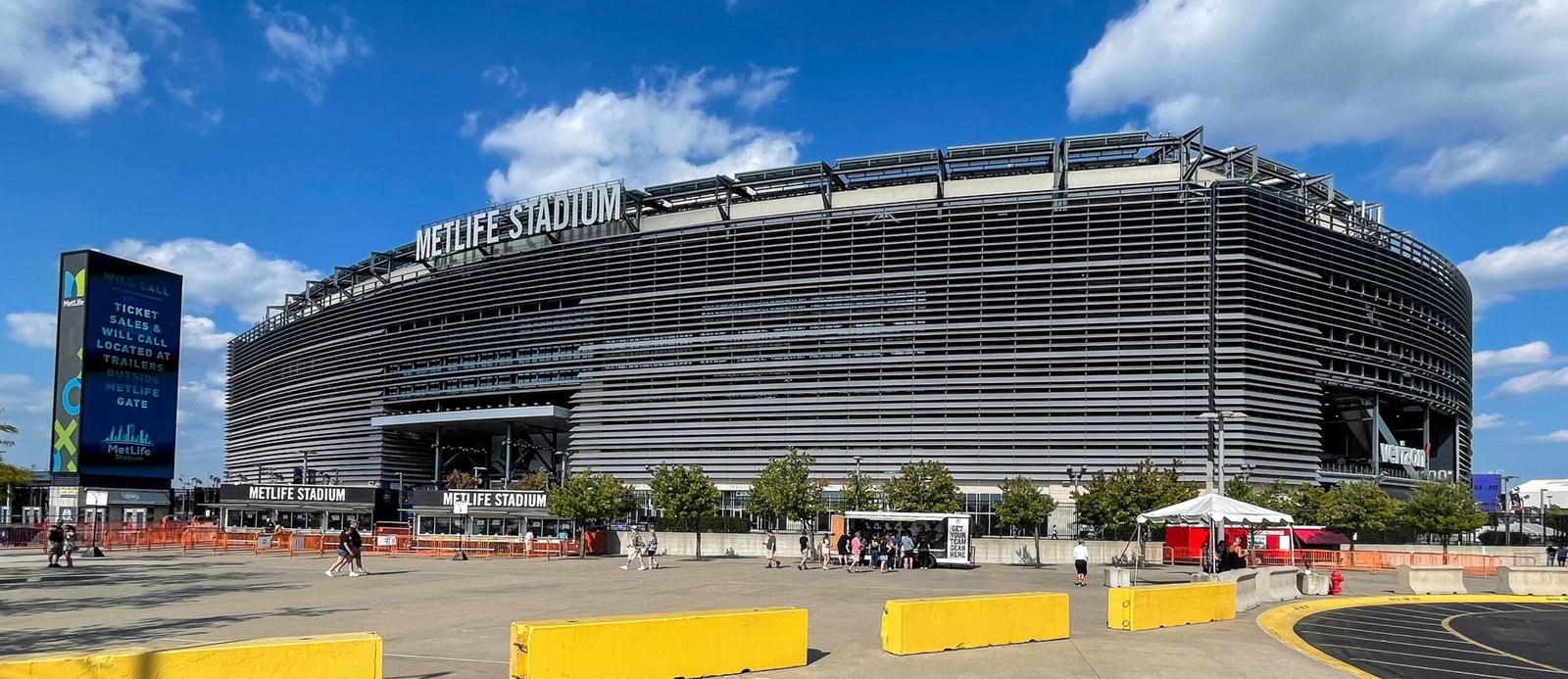
The 2026 FIFA World Cup — the largest sporting event in human history — kicks off in 47 days across 16 American, Canadian, and Mexican cities. The United States is hosting its first World Cup since 1994. The venues include MetLife Stadium in New Jersey, AT&T Stadium in Dallas, SoFi Stadium in Los Angeles, and Levi’s Stadium in San Francisco. The final will be played at MetLife on July 19, with a capacity crowd that FIFA expects to exceed 80,000.
Americans are paying extraordinary attention to this. They are also paying extraordinary prices to attend it.
The Ticket Price Situation Is Genuinely Unprecedented
The average resale price for a World Cup group stage ticket in the United States is currently above $800 on the major secondary market platforms — StubHub, Vivid Seats, SeatGeek. For knockout round matches involving major nations — Brazil, Argentina, France, England — resale prices range from $1,500 to $4,000 per ticket. For the semifinal and final at MetLife, resale prices are running from $3,500 to over $10,000 for premium locations.
FIFA sold the original tickets through its own platform in allocation windows that sold out within minutes for most high-demand matches. The official resale program — FIFA’s attempt to control the secondary market through authorized transfers — has had limited impact on third-party resale. The result is the most expensive World Cup ticket market in the event’s history, driven by three converging forces: the United States’ enormous consumer market, the expansion of the tournament from 32 to 48 teams, and the fact that this is the first American-hosted World Cup in 32 years.
For context: the average resale price for a group stage match at the 2022 World Cup in Qatar was approximately $300. At the 2018 World Cup in Russia, it was approximately $200. The United States premium is not a rounding error. It is a multiple.
The 48-Team Expansion — More Matches, More Access, More Everything
The 2026 World Cup is the first under FIFA’s expanded 48-team format, up from the 32-team field that has defined the tournament since 1998. The expansion means 104 matches instead of 64, played across a six-week schedule from June 11 through July 19.
| 2026 World Cup — Fast Facts | Detail |
|---|---|
| Host nations | United States, Canada, Mexico |
| US host cities | New York/New Jersey, Los Angeles, Dallas, San Francisco, Seattle, Boston, Philadelphia, Miami, Kansas City, Atlanta |
| Canadian host cities | Toronto, Vancouver |
| Mexican host cities | Mexico City, Guadalajara, Monterrey |
| Total matches | 104 |
| Teams | 48 |
| Final venue | MetLife Stadium, East Rutherford, NJ |
| Final date | July 19, 2026 |
| Expected attendance (total) | 5+ million |
| US team status | Qualified — Group stage placement announced |
The expansion also means that every team in the tournament plays at least three group stage matches before elimination — compared to a minimum of three in the old format only if a team made the round of 16. The additional games extend the tournament window, give fans more time to plan travel and attendance, and create more inventory across more cities. Despite that expanded supply, demand has outpaced it entirely at every price point.
The US Men’s National Team — And Why It Matters More Than Usual
The United States has qualified for its home World Cup, which produces a specific kind of fan energy that cannot be manufactured: host nation pride combined with genuine competitive expectation. The USMNT is not a favorite. But it is not a sacrificial lamb either.
The team’s core is built around a generation of American players who have spent their careers in Europe’s top leagues — Christian Pulisic at AC Milan, Weston McKennie in Italy, Gio Reyna at Borussia Dortmund, Ricardo Pepi in the Eredivisie. The manager, Mauricio Pochettino, was appointed in 2023 specifically to build a system capable of winning at a home World Cup. The squad is young enough to be hungry and experienced enough to handle pressure.
The USMNT’s group stage draw placed them against one manageable and two competitive sides — a bracket that most analysts describe as navigable to the round of 16. A deep run at a home World Cup, with 80,000 Americans in MetLife Stadium for a knockout match, would produce the kind of cultural moment that American soccer has been building toward since the sport’s domestic growth began in the 1990s. Whether that moment arrives is the question the next six weeks will answer.
The Host City Guide Americans Are Actually Googling
The most-searched World Cup queries in the United States right now are not about which teams qualified or which players to watch. They are logistical: where to stay near MetLife for the final, how to get from Los Angeles to Dallas for back-to-back matches, which cities have the best fan zones for matches you do not have tickets to.
The fan zone experience — free public viewing areas with giant screens, food vendors, and live entertainment — is being organized in every host city and is expected to draw millions of Americans who want the World Cup atmosphere without $800 tickets. Dallas’s fan zone at Fair Park is projected to hold 40,000 people per match day. Los Angeles is building a fan zone at Grand Park in downtown. New York City is planning a fan zone on Governors Island.
For many American fans, the 2026 World Cup will be a neighborhood experience as much as a stadium experience — watched on a giant screen in a park with 30,000 strangers who are suddenly, for 90 minutes plus stoppage time, all rooting for the same thing. That version of the World Cup does not require $800. It just requires showing up.