
WASHINGTON, June 23, 2026 —
Thursday morning at 8:30 a.m. Eastern, the Bureau of Economic Analysis will release two of the most consequential economic data points of 2026 simultaneously: the final estimate of first-quarter GDP and the May Personal Consumption Expenditures report — the Federal Reserve’s preferred inflation gauge. Both releases are market-moving. Together, they will set the terms of the debate over interest rates for the rest of the year.
Key Takeaways
- Headline inflation reached 4.2% in May 2026, the highest rate since April 2023, driven primarily by energy costs jumping 23.5% as the fallout from the conflict with Iran continued to push gasoline prices 40.5% higher year-over-year.
- May PCE — due Thursday — is expected to show a 0.5% monthly rise, pushing the annual PCE rate to 4.1%, with core PCE forecast at 3.4% year-over-year — still well above the Federal Reserve’s 2% target after nearly two years of elevated readings.
- First-quarter GDP held at 2.0% annualized in the second estimate, but buried inside that number was a sharp quarterly PCE price index reading of 4.5% — the fastest pace of price acceleration since the post-pandemic surge.
What the Numbers Say Before Thursday’s Report Even Lands
The May CPI, released June 10, was already the preview. The annual inflation rate rose to 4.2% in May 2026, the third consecutive monthly acceleration in headline inflation. Energy costs jumped 23.5%. Gasoline prices soared 40.5%. Fuel oil increased 58.9%. Shelter inflation accelerated to 3.4% and food costs ran 3.1% higher year-over-year.
Core consumer prices in May — which exclude food and energy — rose 2.9% year-over-year, the highest since September 2025, driven by shelter at 3.4%, transportation services at 4.1%, medical care services at 3.6%, and apparel at 4.8%.
The PCE report Thursday tells a related but distinct story. It captures a different basket of goods, adjusts for substitution behavior consumers actually exhibit when prices rise, and typically tracks cooler than CPI. But with energy as dominant as it has been since the Iran conflict began, PCE is expected to confirm what CPI already showed: inflation running well above where the Federal Reserve wants it.
| Key U.S. Inflation and Economic Indicators — June 2026 | |
|---|---|
| Indicator | Latest Reading |
| Headline CPI (May 2026) | 4.2% year-over-year |
| Core CPI (May 2026) | 2.9% year-over-year |
| Headline PCE (April 2026) | 3.8% year-over-year |
| Core PCE (April 2026) | 3.3% year-over-year |
| PCE forecast for May (consensus) | ~4.1% year-over-year |
| Q1 GDP — second estimate | 2.0% annualized |
| Q1 PCE price index (annualized) | 4.5% |
| Federal funds rate (current) | 3.50%–3.75% |
| Fed’s inflation target | 2.0% PCE |
The Fed’s Problem — Growth and Inflation Are Moving in the Wrong Direction Together
The personal consumption expenditures price index increased 4.5% in the first quarter, and the PCE price index excluding food and energy increased 4.4%. That was the sharpest quarterly reading in years. Growth at 2.0% is not a recession, but it is not strong enough to absorb that level of price pressure without squeezing households.
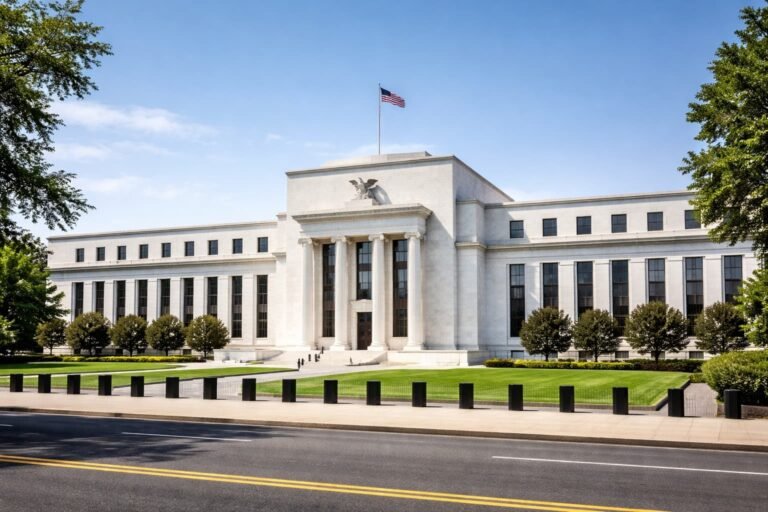
At the Federal Reserve’s June meeting, Chair Kevin Warsh held rates steady at 3.50% to 3.75%. But the central bank’s own projections are increasingly uncomfortable. Nine members of the Federal Open Market Committee now expect at least one rate increase before the end of 2026. That is a meaningful shift. As recently as the March meeting, the committee’s rate expectations were pointed toward eventual cuts, not hikes.
In April, PCE was up 0.4% month-over-month and 3.8% year-over-year. Core PCE was up 0.2% monthly and 3.3% higher year-over-year — the biggest annual increase for core PCE since late 2023. If Thursday’s May reading confirms another step up — as Wall Street firms broadly expect — the argument for a rate hike before year-end gains substantially more weight inside the Fed’s boardroom.
Consumers Are Running Out of Cushion
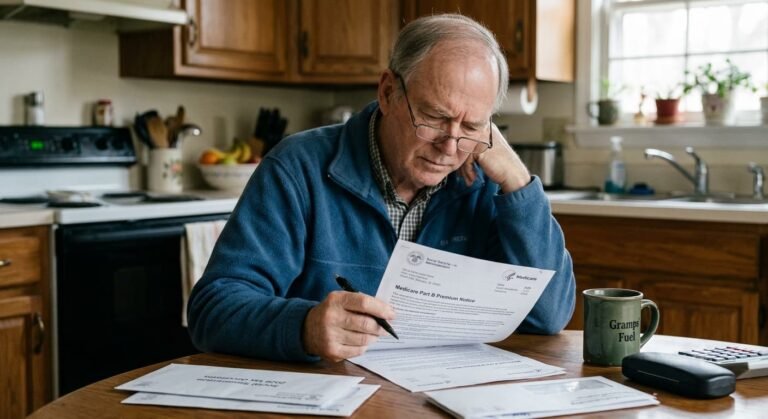
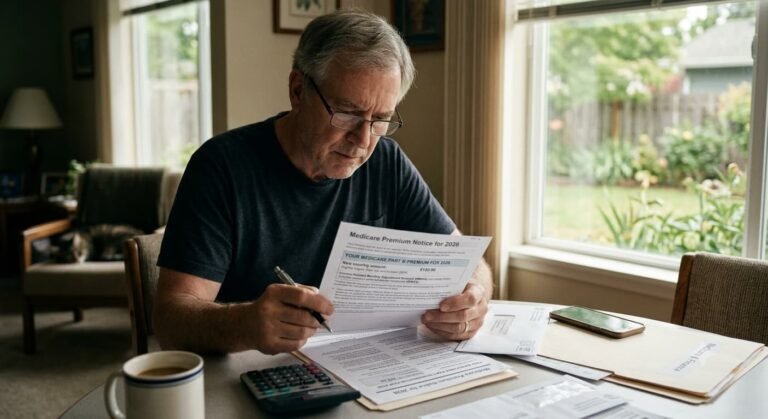
The inflation story is not just about interest rates. It is about the math of everyday life for American households. Real wage growth has turned negative as price increases outpace pay. The personal savings rate, which touched 2.6% in April, is near its lowest point since June 2022. Consumers have been drawing down savings to maintain spending — but that pool is not unlimited, and the signs of fatigue are visible.
Real consumer spending is projected to slow to 2.1% in 2026, from 2.7% in 2025, weighed down by higher prices and the fall in immigration reducing the labor force and household formation rates. Shelter at 3.4% and food at 3.1% are not transitory drivers. They are persistent costs that hit every income level, every month.
The Iran ceasefire has brought some relief to oil markets. Futures are lower than their wartime highs. The United States authorized Iranian oil sales on Monday, easing decades-old sanctions as it pushes toward a final peace deal with Tehran in return for commitments on nuclear inspections and free transit through the Strait of Hormuz. That could take meaningful pressure off energy inflation in June and July data — but supply chains restore slowly, and American families will not feel it at the pump overnight.
Thursday’s dual release will not fix any of that. But it will tell the Federal Reserve — and the rest of the country — exactly how much of the inflation problem energy created, and how much of it had already taken root before the first airstrike.