
WASHINGTON, June 7, 2026 —
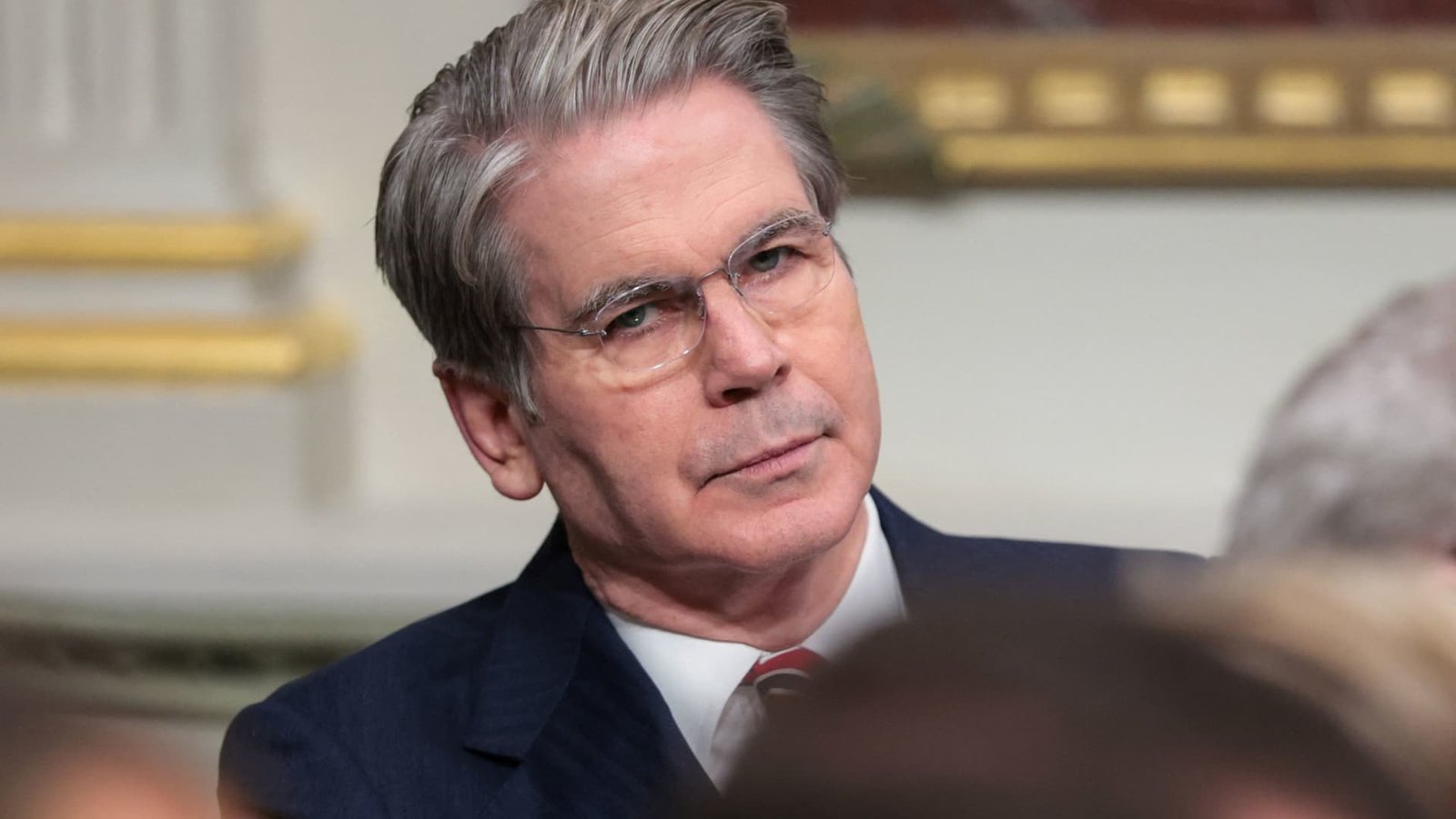
Treasury Secretary Scott Bessent stood at the podium in the Brady Briefing Room on May 28 and held up a mock-up of a $250 bill bearing the face of President Donald Trump. The image spread instantly. The reaction split along exactly the lines the announcement seemed designed to split: supporters celebrated it as an overdue recognition of a consequential president, critics called it a corruption of a tradition that has kept living persons off American currency for over two centuries.
Whether the $250 bill ever enters your wallet depends on a chain of legal, institutional, and political steps that the announcement itself did not address. Those steps are not straightforward.
What American Currency Law Actually Allows
The tradition of not placing living persons on American currency is not a constitutional requirement. It is a policy established by the Treasury Department itself, maintained through successive administrations for more than 200 years, and grounded in a 1866 Act of Congress that prohibits portraits of living persons on government securities and currency. The law is unambiguous on that specific prohibition — living persons cannot appear on U.S. currency — and has been consistently applied since its passage.
Trump is alive. That is the first legal obstacle. Congress would need to amend or repeal the 1866 provision before a living person’s portrait could legally appear on an American banknote. The administration has not publicly addressed this requirement or indicated whether it plans to seek legislation.
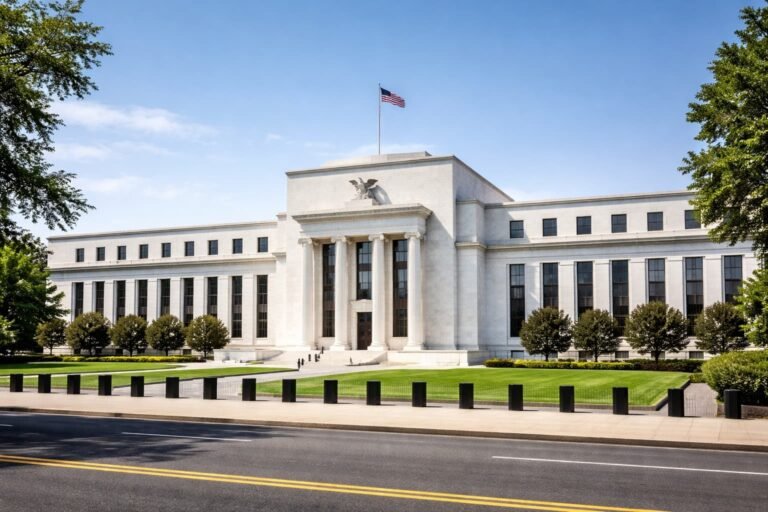
The denomination itself presents a separate legal question. The Federal Reserve Act gives the Federal Reserve System the authority to issue Federal Reserve notes in denominations it determines. The Board of Governors of the Federal Reserve, which operates as an independent agency, has not publicly endorsed the $250 denomination. The Federal Reserve in recent years has actually been moving in the opposite direction on large-denomination notes — central banks worldwide have been eliminating high-denomination notes rather than creating them, citing concerns about their use in tax evasion, money laundering, and cash-intensive criminal activity.
The History of Discontinued High-Denomination Bills
The United States did once circulate notes in denominations far larger than $100. The $500 bill featured William McKinley. The $1,000 bill featured Grover Cleveland. The $5,000 bill featured James Madison. The $10,000 bill — the largest denomination ever in general circulation — featured Salmon P. Chase, the Treasury Secretary who oversaw the creation of the national banking system during the Civil War. The $100,000 gold certificate, featuring Woodrow Wilson, was never publicly circulated and was used only for transactions between Federal Reserve Banks.
The Federal Reserve and Treasury jointly discontinued all notes above $100 in 1969, citing declining use as electronic payments and banking grew. The bills remained legal tender but were removed from circulation as they were returned to Reserve Banks. The last $10,000 bill was printed in 1944. The largest note Americans encounter in daily commerce today is the $100 bill — unchanged in denomination since 1862.
Adding a $250 denomination between the $100 and the discontinued $500 would create a gap-filling note that has no clear practical function in an economy where an increasing share of transactions occur digitally. The Federal Reserve’s own research on currency demand shows that large-denomination notes are held primarily for store-of-value purposes rather than transaction use — meaning the likely holders of a $250 bill would be people keeping cash at home, not conducting commerce.
What Other Presidential Currency Moves Trump Has Already Made
The $250 bill is part of a broader pattern of this administration asserting presidential identity over national institutions that have traditionally maintained symbolic neutrality. Trump earlier this year ordered the Lincoln Memorial Reflecting Pool painted “American flag blue” — a project that reportedly cost millions and whose visual impact visitors described as subtle. He signed executive orders directing federal buildings to reflect classical architectural principles that his administration associates with American greatness. He eliminated commemorative coin series that previous administrations had established.
The currency proposal fits the same pattern. American money carries faces and imagery that represent a deliberate historical and symbolic statement about national identity. Every change to that statement — whether adding a new face, a new denomination, or a new design — requires navigating the institutional and legal structures that have kept currency relatively stable across administrations precisely because money works best when it is trusted, predictable, and apolitical.
Whether Bessent’s briefing room unveiling was a formal policy proposal or a symbolic gesture remains unclear. The Treasury Department has not published a timeline for production, a legislative proposal for the denomination, or a formal legal analysis of the 1866 portrait restriction. What it published was an image. The legal machinery required to turn that image into a bill in an American wallet has not been engaged.
| American Currency — Key Facts and $250 Bill Context | Detail |
|---|---|
| $250 bill announcement | Treasury Secretary Bessent, May 28, 2026 |
| Portrait on proposed $250 bill | President Donald Trump |
| Legal restriction on living persons | 1866 Act of Congress — prohibits living portrait on currency |
| Trump’s status | Alive — restriction applies |
| Congressional action required | Yes — to amend 1866 law and authorize denomination |
| Federal Reserve role | Controls note issuance — has not endorsed $250 |
| Last new denomination added | None since $100 became largest circulating note (1969) |
| Discontinued denominations | $500, $1,000, $5,000, $10,000 (all discontinued 1969) |
| Last $10,000 bill printed | 1944 |
| $100 bill — portrait | Benjamin Franklin |
| $50 bill — portrait | Ulysses S. Grant |
| Living persons on US currency (prior to proposal) | None — tradition maintained since 1866 |
| Federal Reserve policy direction | Moving toward fewer large notes, not more |
What Would Actually Have to Happen
For a $250 bill featuring Trump to enter circulation, at minimum three things must happen. Congress must amend the 1866 law to permit a living person’s portrait on currency. Congress or the Treasury must authorize the $250 denomination with appropriate legislation establishing its legal tender status. And the Federal Reserve must agree to issue the note, setting production specifications and distributing it through the banking system.
None of those steps has been formally initiated. The briefing room unveiling was a political statement made with a physical prop. The distance between that prop and a note in a cash register drawer is measured in legislative sessions, institutional approvals, and the cooperation of a Federal Reserve that operates independently of the administration and has shown no enthusiasm for large-denomination note expansion.
That does not mean it cannot happen. Congress under unified Republican control has passed significant legislation this term. A $250 bill authorization bill would face Democratic opposition and likely significant Republican hesitation from the institutionalist wing of the party — the same wing that expressed discomfort with the Anti-Weaponization Fund and the White House ballroom project. Whether Trump pursues it with the political capital required to overcome those obstacles, or whether the briefing room prop was the end of the story rather than its beginning, is the question the coming weeks will answer.