
DES MOINES, June 4, 2026 —
Six states held primary elections Tuesday, and the race that emerged from Iowa is the one that could define Senate control in November. Republican Rep. Ashley Hinson defeated former state Senator Jim Carlin for the GOP nomination. Democrat Josh Turek — a state representative, former wheelchair basketball Paralympian, and self-described product of rural Iowa — beat state Senator Zach Wahls in a competitive Democratic primary. The two will meet in November for the Senate seat Joni Ernst is vacating after two terms.
Iowa has not sent a Democrat to the Senate since Tom Harkin retired in 2015. Democrats think 2026 changes that.
Who Ashley Hinson Is — and Why Trump Picked Her
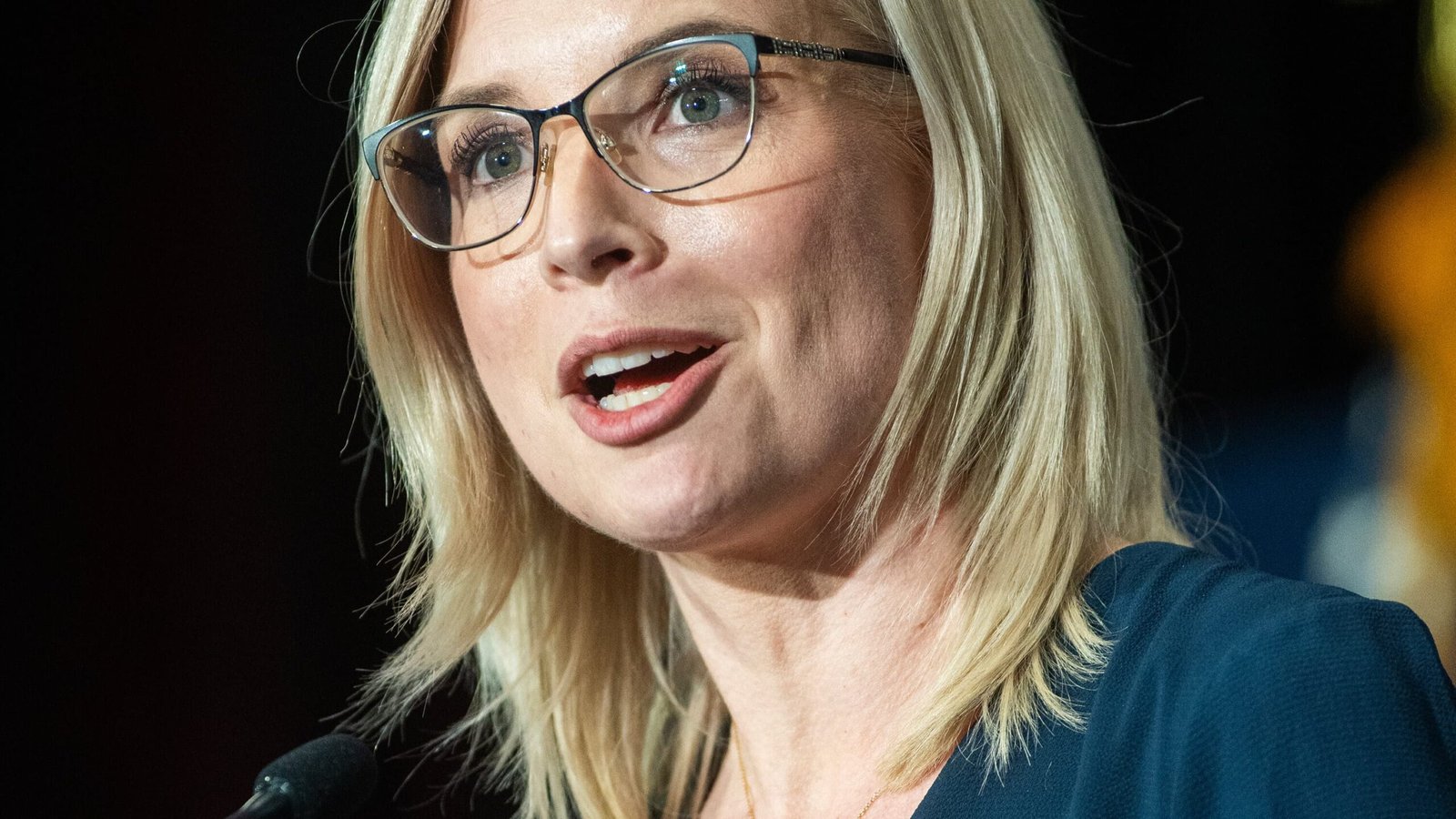
Hinson, 42, is a former television news anchor serving her third term representing Iowa’s 2nd Congressional District, which covers the northeastern part of the state including Cedar Rapids. She announced her Senate candidacy in August 2025, the day after Ernst announced her retirement, and secured Trump’s complete and total endorsement within weeks. Senate Majority Leader John Thune and the National Republican Senatorial Committee both backed her before any serious primary opponent had entered the race.
She faced only nominal opposition from Carlin in Tuesday’s primary. She won easily and immediately pivoted to the general election — her victory speech aimed directly at Turek. She accused him of masquerading as a moderate and told the crowd that Turek does not share Iowa values, suggesting he would fit better with Chuck Schumer and Alexandria Ocasio-Cortez in New York City. Her framing positions her as a loyalist running on Trump’s record in a state Trump won by 13 points in 2024.
Who Josh Turek Is — and Why Democrats Are Genuinely Optimistic
Turek, 47, is the detail that makes Iowa interesting. He is a state representative who unseated a Republican incumbent in a district described by Iowa Democrats as the most conservative state legislative seat to send a Democrat to Des Moines. He is a former Paralympic wheelchair basketball player — a detail that makes him one of the most visually distinctive figures in any Senate race in the country this cycle. He won Tuesday’s primary by defeating Zahls Wahls, a better-known state senator who was considered the institutional front-runner before Turek gained momentum in the final weeks.
In his victory speech, Turek said Hinson does not represent Iowa and does not represent our values. He has built his case around Iowa-specific economic grievances: the tariff regime’s impact on soybean and corn farmers, the Iran war’s effect on rural diesel prices, and the Medicaid work requirement enforcement that is landing in rural counties where the hospital is already the largest employer and cannot absorb further uncompensated care costs.
Those are not abstract national political arguments. They are the specific economic pressures that Iowa farmers and rural families are living with in June 2026.
The Map, the Math, and Why This Race Could Flip the Senate
Democrats need a net gain of four seats to take the Senate majority — or three if they win the White House, which is not a 2026 consideration since Trump’s term runs through 2028. Iowa is one of 11 open Senate seats this cycle where the incumbent is not running, and one of perhaps five competitive races where the outcome is genuinely uncertain.
Trump winning Iowa by 13 points in 2024 is the number Hinson’s campaign leads with every time Democratic optimism about Turek surfaces. Iowa has not elected a Democrat to the Senate in 18 years. The structural headwinds for a Democratic candidate in a Trump-aligned, rural-heavy state are real.
What Democrats point to in response: Trump’s approval rating is at a record low. Consumer sentiment nationally is at an all-time record low. Iowa farmers are absorbing the same tariff and energy cost pressures as every other agricultural state, with the added dimension that Iowa’s corn and soybean exports have been disrupted by retaliatory tariffs from trading partners responding to the Trump trade regime. A candidate who can make the Senate race about Iowa’s specific economic conditions — rather than a national partisan frame — can potentially outperform the top of the ticket in ways that Iowa’s history of ticket-splitting from the Harkin era suggests is possible.
| Iowa 2026 Senate Race — Key Facts | Detail |
|---|---|
| Republican nominee | Rep. Ashley Hinson (R-IA-02) |
| Democratic nominee | State Rep. Josh Turek |
| Seat being vacated by | Sen. Joni Ernst (R) — not seeking reelection |
| Last Democrat elected to Iowa Senate | Tom Harkin — retired 2015 |
| Trump Iowa margin (2024) | +13 points |
| Hinson background | 3-term congresswoman, former TV news anchor, age 42 |
| Turek background | State representative, former Paralympic wheelchair basketball player, age 47 |
| Trump endorsement | Hinson — complete and total endorsement (September 2025) |
| Other Tuesday primary states | Colorado, Montana, New Mexico, South Dakota, Virginia |
| Senate seats Dems need to flip | Net 4 (or 3 with White House) |
| General election date | November 2026 |
The Five Other States That Also Voted Tuesday
Iowa was the most watched, but five other states also held primaries Tuesday. Colorado, Montana, New Mexico, South Dakota, and Virginia all selected nominees for Senate, House, and statewide offices. Montana’s Senate race — Democrat Jon Tester’s open seat in a state Trump won by double digits — is among the most Republican-leaning pickup opportunities on the map. South Dakota, where Republican Senator Mike Rounds is retiring, produced a primary that will send another Republican to the general. Virginia held competitive Democratic primaries for House seats that both parties view as genuine November battlegrounds.
The complete picture of November’s Senate map will come into sharper focus as additional states complete their primary schedules in the coming weeks. What is clear after Tuesday is that Iowa — a state that should be safe Republican territory on pure Trump-era presidential geography — is going to be one of the most closely watched Senate contests of the cycle. Turek’s nomination ensures that. So do Iowa’s economic conditions. And so does a national environment where both parties’ leadership face approval ratings that neither side can run on comfortably.