
WASHINGTON / RIYADH, May 12, 2026 —
President Trump declared Monday morning that the Iran ceasefire is “on massive life support” after receiving what he called Tehran’s “garbage” response to the U.S. peace proposal — the same counter-offer that demanded war reparations, Strait of Hormuz sovereignty, and an end to Israeli attacks on Lebanon. The Trump administration simultaneously imposed new sanctions on 12 companies and individuals it accuses of helping Iran sell oil to China. And Saudi Aramco — the world’s largest oil exporting company — warned analysts on a Monday morning call that if the Strait’s closure is “delayed by a few more weeks, then normalization will last into 2027.”
Ten weeks into the Iran war, the ceasefire is not quite over, the deal is not close, and the economic damage is accumulating at a rate that Brown University now estimates at $37 billion in total consumer costs since February 28.
What Trump Said — Word for Word
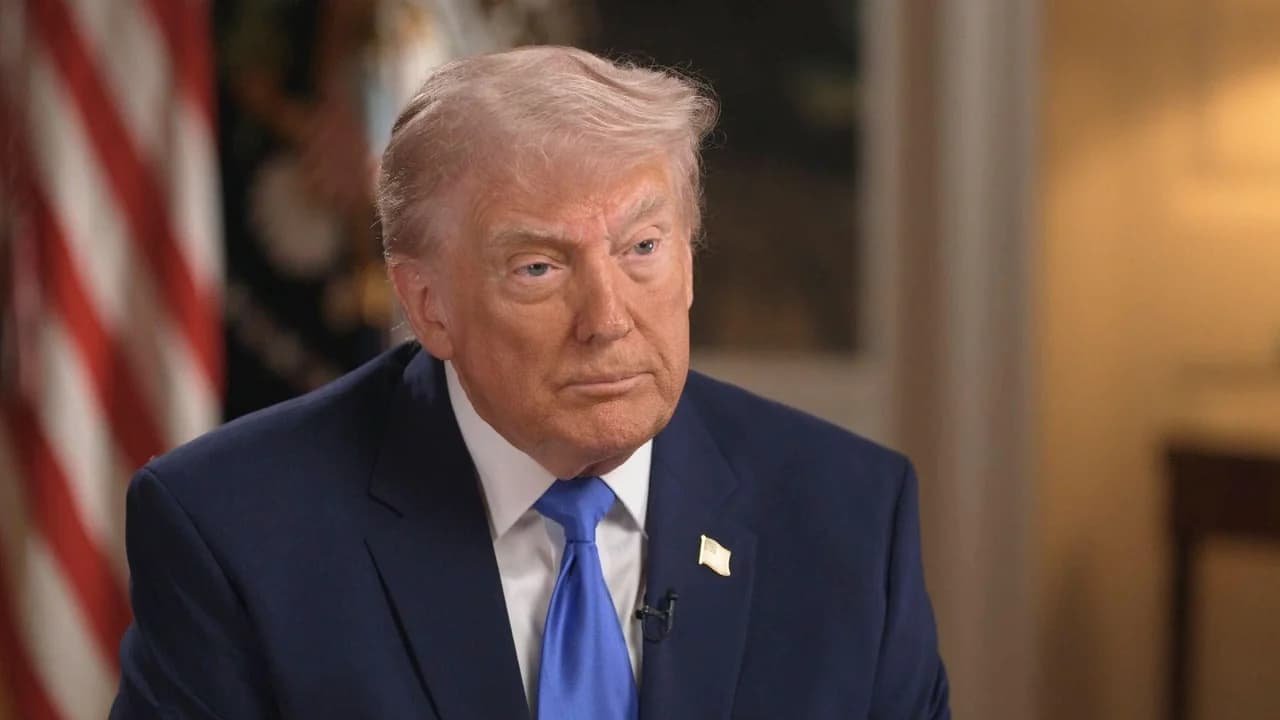
Trump called CBS News on Monday morning for an interview that produced the most direct public assessment of the war’s status he has given since fighting began.
“After reading that piece of garbage they sent, I didn’t even finish reading it,” Trump said of Iran’s counter-proposal. “It’s unbelievably weak.” He described the ceasefire as being “on massive life support” — not dead, but requiring extraordinary intervention to survive.
He also announced that he intends to suspend the federal gasoline excise tax “for a period of time.” “I think it’s a great idea,” he said. “We’re going to take off the gas tax for a period of time, and when gas goes down, we’ll let it phase back in.” The federal gas tax is 18.4 cents per gallon. At current national average prices of $4.52 per gallon, suspending it would reduce pump prices to approximately $4.34 — meaningful relief, though substantially below the $2.98 per gallon Americans paid before the war began.
The Sanctions That Land Four Days Before Beijing
The timing of Monday’s new sanctions on 12 individuals and entities involved in Iranian oil sales to China is diplomatically pointed. Trump is scheduled to meet Xi Jinping in Beijing on Thursday. Sanctioning companies and individuals accused of facilitating Chinese purchases of Iranian oil — four days before sitting down with China’s president — is simultaneously a pressure tactic and a negotiating signal.
Treasury Secretary Scott Bessent described the sanctions as a continuation of the campaign to “cut the Iranian regime off from the financial networks it uses to carry out terrorist acts and to destabilize the global economy.” He did not address the Beijing summit timing. He did not need to. The message is readable: Washington will continue squeezing Iran’s oil revenue through sanctions regardless of what is negotiated in Beijing — unless Beijing offers something significant in exchange for a different posture.
China will understand the signal. Whether Xi responds to it in the summit room or through post-summit actions will tell observers more about the trajectory of the Iran war than anything said at the Thursday press conference.
Saudi Aramco’s Warning — the Most Consequential Statement of the Morning
| Saudi Aramco CEO Amin Nasser — Monday Call | Key Statement |
|---|---|
| On Strait of Hormuz closure | “If delayed by a few more weeks, normalization will last into 2027” |
| On inventory drawdown | Global oil inventories drawing down at record pace |
| On market rebalancing | “Even if Strait reopened today, it would still take months for market to rebalance” |
| On pre-war prices | Not returning anytime soon — even in best-case scenario |
| On production capacity | Aramco monitoring — limited ability to fully compensate |
Amin Nasser’s statement to analysts on Monday morning may be the single most consequential economic statement made about the Iran war since the conflict began. The world’s largest oil exporting company — with the most detailed, most current, and least politically motivated view of global oil supply dynamics — is publicly saying that the energy shock is not temporary and that even a deal this week would not produce rapid price relief.
The Brown University Iran War Energy Cost Tracker, updated Monday, puts total additional consumer costs for gasoline and diesel at $37 billion — more than $284 per household — since the war began February 28. Diesel, which powers the trucks, trains, and ships that move consumer goods across the country, is just 18 cents below its all-time record high set in 2022.
The Gas Tax Suspension — What It Would and Would Not Do
Federal gasoline tax: 18.4 cents per gallon. Federal diesel tax: 24.4 cents per gallon. Current national average gasoline price: $4.52. Price with gas tax suspended: approximately $4.34.
The suspension would provide real but modest relief — approximately $3.68 per fill-up for a 20-gallon tank. For a household filling up twice a week, the savings would run approximately $384 per year. Against the $284 in additional costs already absorbed since the war began, the suspension would partially offset — but not eliminate — the war’s pump price impact.
The political and fiscal complications are significant. The federal gas tax funds the Highway Trust Fund — the primary federal mechanism for highway and infrastructure spending. Suspending the tax for an extended period would reduce Highway Trust Fund revenues, either requiring a transfer from general revenues or reducing infrastructure spending. Congress would need to authorize the suspension, which it has not yet done. Democrats are likely to demand the gap be filled from general revenues — which Republicans may resist given fiscal concerns.
President Biden suspended the federal gas tax proposal in 2022 when gas prices hit comparable levels. Congress declined to act on it then. Whether the same Congress, with the same partisan dynamics, acts on Trump’s announcement depends on how high gas prices go and how close the midterm elections get.
Where the Diplomacy Stands — Simultaneously Alive and Dying
The ceasefire declared April 8 remains technically in effect. Both sides continue to operate under it while continuing to fight within it. The naval blockade is active. Iran’s toll system on Strait shipping is active. Hezbollah is firing into northern Israel. The U.S. struck Iranian military facilities overnight Friday. Iran’s counter-proposal calls the 14-point U.S. framework unacceptable. Trump calls Iran’s response garbage.
And yet: Witkoff and Kushner are still in the region. The Pakistani mediators are still active. The Trump-Xi summit in Beijing on Thursday has Iran on the agenda. Saudi Aramco is warning of 2027 normalization — which is different from saying there will be no normalization.
The ceasefire is on life support, as Trump said. Life support is not death. It is a machine keeping something alive while the body decides whether to recover or not. Thursday’s Beijing summit is the next variable in that decision — the meeting where the question of whether China will apply meaningful pressure on Iran in exchange for meaningful U.S. trade concessions will get its first answer.