
NEW YORK / WASHINGTON, May 8, 2026 —
Key Takeaways
- Brent crude fell from a peak of $114.40 Monday to $97.14 Friday — a 15% drop in five trading days driven by Iran deal optimism — with Goldman Sachs projecting Brent reaches $85 to $90 if the 14-point MOU is signed, which would reduce U.S. gasoline prices from $4.56 to approximately $3.40 within three to four weeks.
- April nonfarm payrolls added 177,000 jobs — nearly three times the 62,000 consensus — pushing Federal Reserve rate cut expectations from June to September at the earliest and reducing the probability of emergency monetary easing even as the economy shows signs of slowing.
- Kevin Warsh officially becomes Federal Reserve Chair on May 15 — seven days from now — inheriting an economy where the labor market is stronger than feared, energy inflation may be peaking, and the single most consequential geopolitical variable is approaching resolution through a 14-point memo.
What Changed This Week — Day by Day
Monday opened with the worst day of the Iran war’s economic impact. Brent crude hit $114.40. Iranian fast-attack boats clashed with U.S. Navy vessels. Iran fired 19 missiles and drones at the UAE. Gas hit $4.46 nationally.
By Friday, Brent crude was at $97. Iran had extended the ceasefire. The jobs report crushed expectations. The S&P 500 and Nasdaq were both at record highs. Gas prices were set to begin falling.
The distance between Monday morning and Friday evening is one of the most dramatic single-week reversals in recent economic history — driven not by any fundamental change in the war’s resolution, but by the credible emergence of a diplomatic framework and a labor market report that removed the worst-case economic scenario from the probability distribution.
The Oil-to-Gas Timeline — When Relief Arrives at the Pump
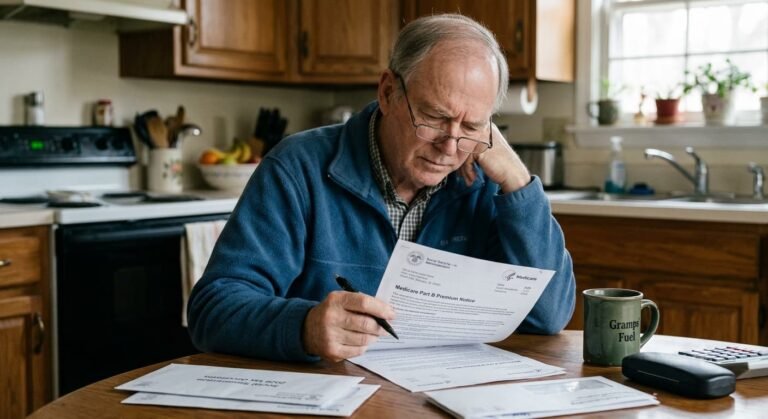
The most tangible economic consequence of this week’s oil price movement for American households is at the gas station. The relationship between Brent crude and pump prices follows a predictable chain with a lag of approximately 10 to 14 days.
| Oil Price Scenario | Brent Level | Estimated US Avg. Gas | Timeline to Pump |
|---|---|---|---|
| Peak this week | $114.40 | $4.56 | This was Monday |
| Current | $97.14 | Beginning to fall | 10-14 days to reach pump |
| If MOU signed, deal holds | $85–$90 | ~$3.80–$4.00 | 3–4 weeks after signing |
| If full Phase One deal closes | ~$80 | ~$3.50–$3.60 | 4–6 weeks after closing |
| Pre-war baseline | $72 | $2.98 | Not recovering to this level soon |
The 14% oil price drop this week will not translate to immediate relief at the pump. Retail gasoline prices respond to wholesale fuel costs with a lag, and refiners and distributors do not immediately pass lower crude prices through to consumers in the same way they rapidly passed higher crude prices through during the run-up. Americans will feel the relief in approximately two weeks — and only if oil prices hold at current levels rather than reversing.
The Jobs Report and What It Tells Us About the Real Economy
Friday’s 177,000 job gain arrived against a backdrop of profound uncertainty. GDP contracted 0.3% in Q1. Consumer spending slowed to 1.5% annualized growth. Manufacturing surveys showed the stagflation combination of rising prices and falling employment. The consensus forecast of 62,000 reflected those concerns — essentially a prediction that the economy was already softening measurably under the weight of the Iran war’s energy shock.
The actual 177,000 tells a more nuanced story. Healthcare and social assistance carried the number — adding approximately 70,000 jobs that would have been added regardless of oil prices, the war, or any near-term economic development. The sector is structurally driven by demographics and the aging U.S. population, not by the business cycle. Strip out healthcare and social assistance, and April’s job gains were a more modest 107,000 — still above the 62,000 forecast, but less definitively strong than the headline suggests.
Federal government employment fell for the fifth consecutive month, reflecting the ongoing DOGE restructuring. Manufacturing added jobs for the second straight month — a data point that contradicts the stagflation narrative in one specific sector even as the ISM manufacturing survey showed prices rising and employment falling simultaneously. The disconnect between survey data and payroll data is the single most puzzling feature of the current labor market, and it is the feature Warsh will be spending his first weeks as Fed Chair trying to interpret.
Warsh’s Inheritance — The Best and Worst of Both Worlds
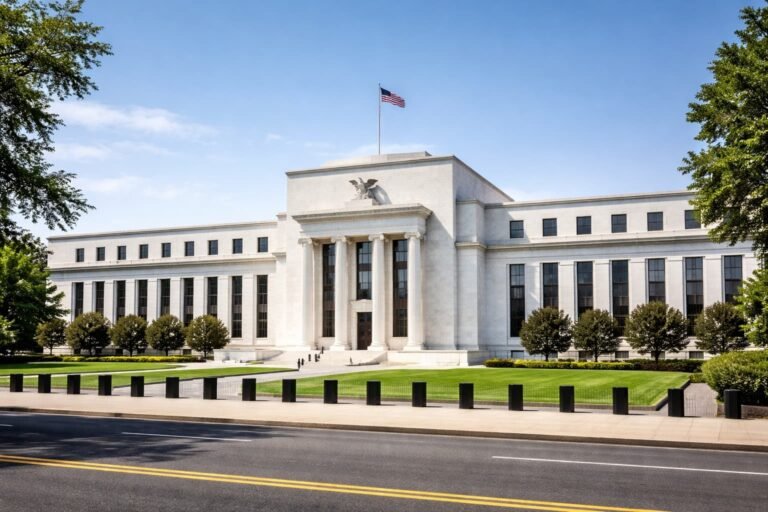
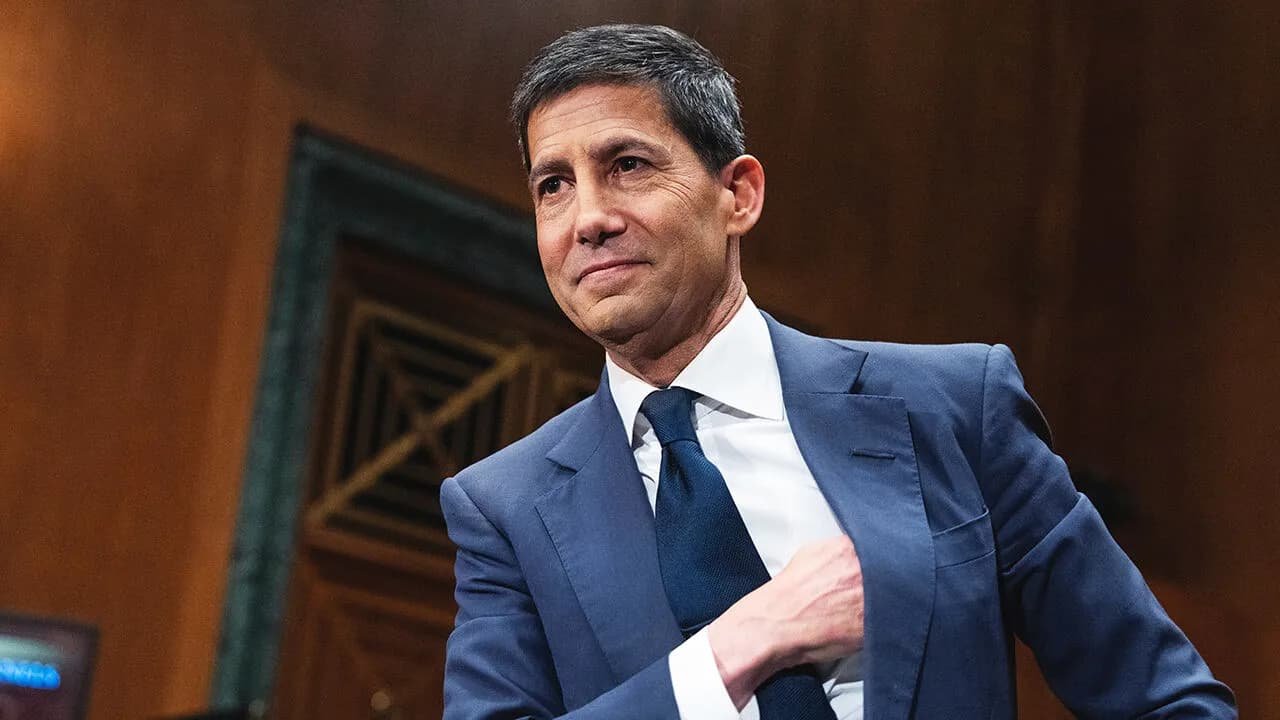
Kevin Warsh takes the Federal Reserve Chair on May 15 with a labor market that is stronger than feared and an inflation situation that may be improving. That combination is, on its surface, a reasonable starting point.
The complexity is in the details. Core PCE inflation remains at 3.0% — well above the 2% target. Wage growth accelerated to 3.8% year-over-year in April, above the 3.6% forecast — a number that, if sustained, is inconsistent with a return to 2% inflation without either a significant productivity acceleration or a meaningful economic slowdown. The Federal Reserve’s Beige Book, released Wednesday, described economic conditions as “flat to down” across most districts — a characterization that conflicts with a 177,000 jobs print in April and reinforces the sense that the economic data are sending mixed signals simultaneously.
Warsh’s stated preference for responding to market signals rather than waiting for lagging economic data will be tested almost immediately. If the Iran MOU is signed next week and oil continues falling, the inflation signal will improve rapidly. If the MOU falls apart and oil rebounds to $110, the inflation case for holding rates firms again. Warsh will be watching the same diplomatic calendar that oil traders are watching — because in May 2026, the Strait of Hormuz is the Fed’s most important variable.
The Midterm Math — After One Week
Trump’s approval rating was 39% entering this week. The Iran war’s approval was 32%. Gas prices were rising for 15 consecutive days. Spirit Airlines had just shut down. The political environment for November’s midterms was deteriorating measurably.
This week changed the trajectory — without changing the fundamental position. A ceasefire extension is not a peace deal. Oil at $97 is not oil at $72. Gas at $4.40 is not gas at $2.98. The S&P 500 at record highs reflects the financial economy; it does not reflect the daily reality of 8 in 10 Americans experiencing budget strain from fuel costs.
What the week established is that the worst-case scenario — full resumption of hostilities, oil above $130, gas toward $5 — is not imminent. The base case is now a 14-point MOU signed sometime in the next two weeks, a 30-day detailed negotiation period beginning in late May, and a gradual normalization of Hormuz traffic through June and July. If that sequence holds, the economic picture entering the August-September-October period before the November elections will look materially different from what it looked like on Monday morning.
The midterm elections are six months away. The Iran war’s economic bill is still running. But for the first time since February 28, the balance sheet is moving in the right direction.