
NEW YORK / WASHINGTON, May 7, 2026 —
Key Takeaways
- ADP’s April private payrolls report came in at 109,000 jobs — nearly double the Wall Street consensus of 55,000 and the best ADP reading since January 2025 — suggesting the labor market is holding up significantly better than the deteriorating economic data of Q1 suggested.
- The official Bureau of Labor Statistics April jobs report drops Friday at 8:30 AM Eastern — with the BLS consensus forecast at 70,000 jobs and the unemployment rate expected to hold at 4.3% — a number that, if it surprises to the upside like ADP, could reduce expectations for Federal Reserve rate cuts and push mortgage rates higher.
- The S&P 500 and Nasdaq both hit simultaneous record highs Wednesday — driven by Iran deal optimism that crashed oil prices — creating the paradox of markets celebrating both a potential end to the war and a jobs market strong enough to delay the rate cuts a weakening economy would justify.
Why ADP’s 109,000 Was Such a Surprise
The economic narrative heading into Wednesday’s ADP report was one of steady deterioration. GDP contracted 0.3% in Q1. Private payrolls had averaged only 46,000 per month through the first quarter. Consumer spending was weakening under the weight of $4.46 gasoline and above-target inflation. The consensus forecast for ADP’s April private payrolls was 84,000 — itself considered a weak reading that would confirm the slowdown.
ADP came in at 109,000. The March total was revised down by 1,000, but the April reading was the strongest since January 2025 and landed 30% above the consensus forecast. Education and health services dominated again — adding 61,000 of the total 109,000 gains. Trade, transportation, and utilities added 25,000. Construction added 10,000. Financial activities added 9,000. Manufacturing, which the Trump administration has specifically targeted for reshoring through tariffs, added a modest 2,000.
The sector concentration tells the real story. Job growth in 2026 has been narrow and deep rather than broad and shallow — concentrated in healthcare and education while the rest of the economy shows flat or declining employment. That pattern can support a solid headline number while masking genuine weakness in the sectors most exposed to tariff disruption, energy cost increases, and consumer spending slowdowns.
What Tomorrow’s BLS Number Could Mean — Four Scenarios
| April BLS Result | Probability | Fed Implication | Mortgage Rate Impact |
|---|---|---|---|
| Above 150,000 | 15% | No cuts in 2026 — possible hike | Rates rise above 6.25% |
| 100,000–150,000 | 30% | Hold June, reassess September | Rates stay near 6% |
| 55,000–100,000 | 35% | Hold June, cut September likely | Rates drift toward 5.75% |
| Below 55,000 | 20% | June cut under discussion | Rates fall toward 5.50% |
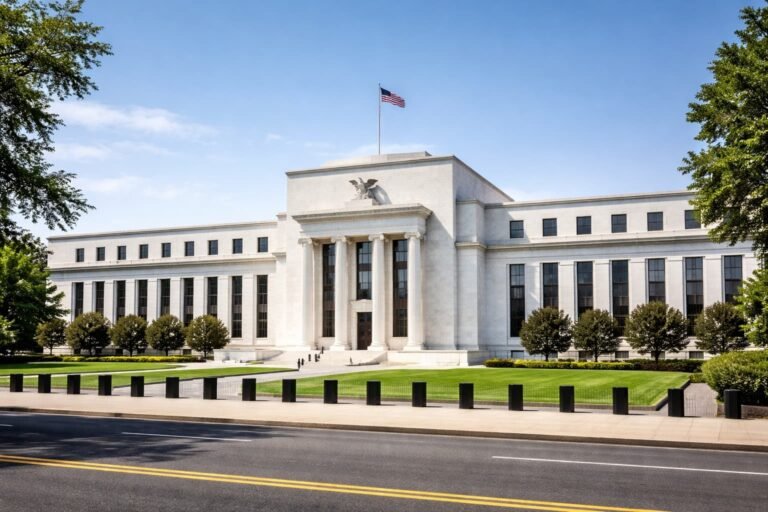
The Federal Reserve — now under Chair Kevin Warsh’s leadership as of May 15 — is watching Friday’s number alongside the Iran deal situation with equal intensity. A strong jobs print above 100,000 would validate holding rates at the June meeting without a dovish signal. A weak print below 55,000 would reopen the debate about whether a June cut is warranted even with inflation running above target.
The Iran factor complicates this in both directions. If the deal is signed this week, oil falls toward $85-$90, energy inflation moderates rapidly, and the Fed’s inflation justification for holding rates weakens — making a June or July cut more probable regardless of where Friday’s jobs number lands. If the deal falls apart, oil stays above $100, inflation remains sticky, and the Fed stays frozen regardless of how weak the labor market data gets.
The Record Market Rally — What’s Actually Driving It
Wednesday’s simultaneous record highs in the S&P 500 and Nasdaq were driven almost entirely by one factor: the expectation that the Iran war is ending and oil is about to fall substantially. That expectation, if correct, unlocks a cascade of positive economic developments that the market has been pricing out of reach for ten weeks.
Lower oil means lower inflation. Lower inflation means the Fed can cut. Rate cuts mean lower mortgage rates, lower borrowing costs, better corporate margins on energy-intensive operations, and higher consumer spending. Every one of those downstream benefits was being priced into equities Wednesday simultaneously — which is why the market moved as sharply as it did on what was, technically, unconfirmed diplomatic optimism rather than a signed deal.
The risk in that sequence is the same risk that has defined the entire Iran war’s market narrative: the deal can still fall apart. Iran’s formal reply Thursday could fall short of what the U.S. needs to sign a memorandum of understanding. The IRGC could resume hostilities. The supreme leader could issue a statement that contradicts the foreign ministry’s diplomatic track. Any of those developments would reverse Wednesday’s gains in hours.
The Week in Economic Data — The Full Picture
The confluence of data arriving this week represents the most concentrated economic information release since the war began.
ADP’s 109,000 private payrolls beat the forecast by 30%. The S&P 500 and Nasdaq hit record highs. Iran deal optimism crashed oil prices 11% in a single session. The Federal Reserve’s preferred inflation measure — core PCE — is still running at 3.0%, well above the 2% target. Friday’s official jobs report will either confirm the ADP optimism or contradict it. The Iran deal will either close this week or fracture on Friday’s ceasefire review deadline.
By Friday evening, the economic and geopolitical picture that has defined 2026 will look materially different — in a direction that neither equity bulls nor recession bears can fully predict yet. The jobs number at 8:30 AM tomorrow and Iran’s ceasefire review on Friday afternoon are the two data points that will set the trajectory for the rest of the year. Everything that happened Wednesday — the records, the oil plunge, the ADP beat — is the prologue. Friday is the story.