
WASHINGTON / ISLAMABAD, April 26, 2026 —
Iranian Foreign Minister Abbas Araghchi flew out of Islamabad Saturday morning after spending less than 24 hours in Pakistan meeting exclusively with Pakistani officials — never sitting across a table from any American. Minutes later, President Trump canceled the planned trip by special envoy Steve Witkoff and senior adviser Jared Kushner, saying the United States would not spend 15 hours on airplanes for a document that was not good enough. Future negotiations, Trump said, will be conducted by telephone.
The collapse of the weekend’s diplomatic moment leaves the Iran war in its most uncertain position since the ceasefire was declared three weeks ago.
What Actually Happened in Islamabad
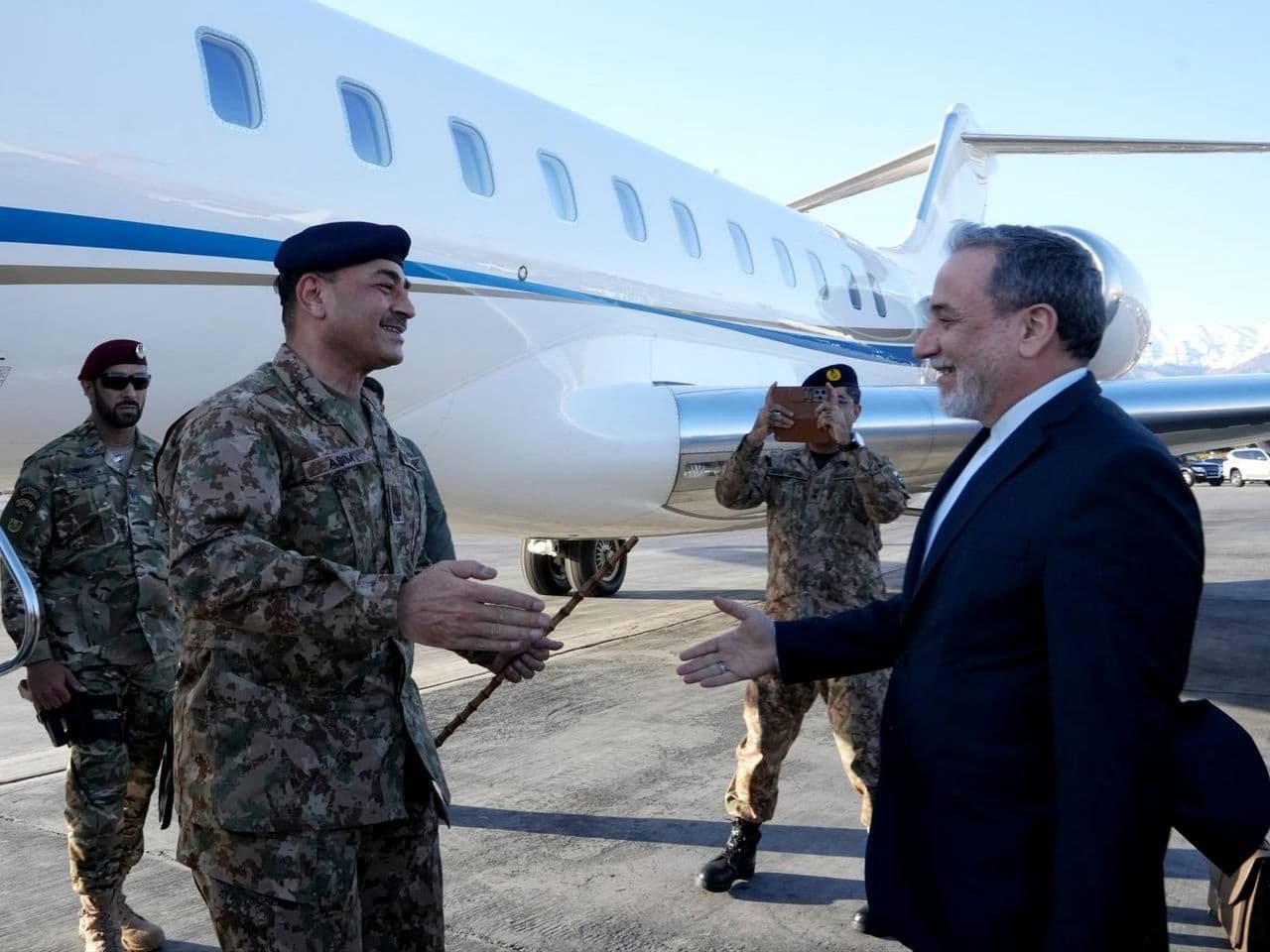
Araghchi arrived in Pakistan’s capital late Friday. His foreign ministry spokesperson had made clear from the beginning that no meeting with American officials was planned — Tehran’s position throughout the week was that any engagement would be conducted through Pakistani mediators, not directly with Washington’s envoys. Araghchi met with Pakistani Prime Minister Shehbaz Sharif, Army Chief Field Marshal Asim Munir, and Foreign Minister Ishaq Dar. He then departed for Oman.
The sequence matters. Iran’s foreign minister spent approximately 20 hours in Pakistan, held productive talks with Pakistani officials by his own account, then left. The American delegation — which the White House had publicly announced was departing Saturday — never boarded a plane. Trump’s cancellation came within minutes of Pakistani officials confirming Araghchi’s departure.
Whether that sequencing represents a deliberate Iranian signal, a negotiating tactic, or a genuine breakdown in communication between the two sides’ back-channel contacts is not publicly known. What is known is that the result is no meeting, no agreement, and no confirmed date for further talks.
What Trump Said — and What Iran Said Back
| Statement | Who Said It | Key Line |
|---|---|---|
| “We’re not going to spend 15 hours in airplanes going back and forth to be given a document that wasn’t good enough” | Trump, at tarmac before boarding Air Force One | Talks to continue by telephone |
| “They gave us a paper that should’ve been better. Immediately when I canceled it, within 10 minutes we got a new paper that was much better” | Trump, speaking to reporters | Suggests Iran responded rapidly to cancellation |
| “I am waiting to see if the U.S. is truly serious about diplomacy” | Araghchi, posting on X from Oman | Iran placing onus on Washington |
| “Iran offered a lot, but not enough” | Trump, Truth Social | Confirms a formal proposal was submitted |
| “There was tremendous infighting” in Iran’s leadership | Trump | Administration’s stated reason for breakdown |
| “We are all Iranians and revolutionaries — there are no hardliners or moderates” | Pezeshkian and Qalibaf, joint statement | Rejecting Trump’s framing of Iranian division |
Trump confirmed that Iran submitted a formal ceasefire and peace proposal. He described it as offering a lot but falling short on the core demands — most notably, guarantees around Iran’s nuclear program and the terms of the naval blockade’s removal. The claim that a better paper arrived within ten minutes of the cancellation suggests the two sides are closer than the public drama implies — or that Iran is reading American negotiating tactics in real time and adjusting accordingly.
The Blockade Is Still Running — and Getting Tighter
While diplomats exchanged papers and canceled flights, the U.S. Navy continued enforcing the blockade of Iranian ports with escalating intensity. As of Saturday, 37 ships have been redirected by U.S. naval forces since the blockade began on April 13. Three vessels that refused to comply were seized outright.
The tanker M/V Sevan — added to U.S. sanctions lists just one day before — was intercepted in the Arabian Sea on Saturday and escorted back toward Iran. U.S. Central Command posted the operation publicly, a deliberate signal that the blockade is not a temporary negotiating posture but an active enforcement regime with real consequences.
A complicating factor: Lloyd’s List Intelligence, a maritime data firm, reported that at least 26 shadow fleet vessels have breached the U.S. blockade line since it was established. Ten additional shadow fleet tankers were heading toward the Persian Gulf as of this weekend. The blockade is real and is turning back significant traffic — but it is not airtight, and Iran’s parallel toll collection operation on Strait of Hormuz traffic gives Tehran a revenue offset that blunts some of the economic pressure.
Where the Talks Go From Here
Trump’s stated preference — telephone diplomacy rather than in-person meetings — represents a significant downgrade from the 21-hour Islamabad process that produced Round One. Phone calls between adversaries in active military conflict, mediated through third parties, have a poor historical track record for producing durable agreements. The structural issues — nuclear enrichment, Strait access, frozen assets, the naval blockade — require extended technical-level negotiation that is difficult to conduct over a phone line.
Araghchi’s move to Oman is significant. Oman has served as a back-channel intermediary between the United States and Iran for decades, including during the nuclear talks that produced the 2015 Joint Comprehensive Plan of Action. His arrival in Muscat signals that Iran has not walked away from diplomacy — it has relocated it to a venue where Iranian officials have historically been more comfortable conducting sensitive negotiations away from public scrutiny.
The question is whether the Trump administration will engage with that signal or maintain its telephone-only posture. The 37 ships turned back by the Navy, the Iranian toll system on the Strait, and the price of oil still hovering above $90 a barrel are all reminders that the clock on a deal has not stopped just because the diplomatic calendar has gone blank.