
WASHINGTON, APRIL 22, 2026 —
Hours after Trump announced an open-ended ceasefire extension, Iran fired on a container ship and seized two vessels near the Strait of Hormuz — a direct escalation that immediately tested the truce that had just been prolonged at Pakistan’s request.
An Iranian gunboat opened fire on a container ship in the Strait region, according to the regional maritime security agency, within hours of Trump’s Truth Social post announcing the ceasefire extension. Iran separately seized two ships it said were violating its authority in the waterway. The United States condemned the seizures as ceasefire violations. Iran said the blockade of its ports made the extension irrelevant.
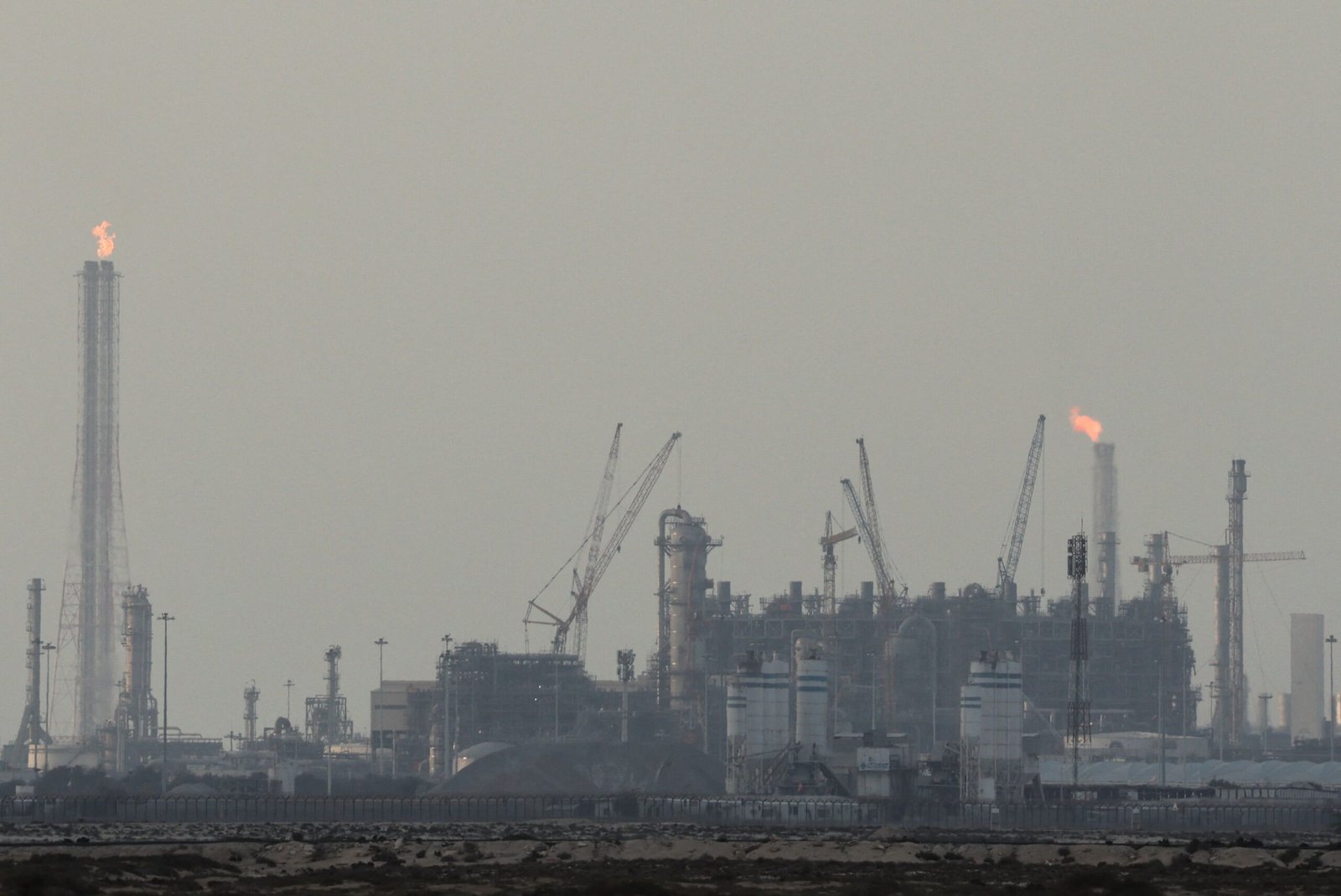
The US military confirmed it has now forced 28 ships to turn back from Iranian ports since the naval blockade began April 13. Treasury Secretary Scott Bessent said Iran’s primary oil export terminal at Kharg Island will reach storage capacity within days — at which point Iran’s oil production must slow or stop entirely, removing its most critical revenue source.
Iran’s Revolutionary Guard issued a statement Wednesday warning that its “target list” has expanded beyond military installations to include major oil fields and refineries across the UAE and Saudi Arabia. The IRGC commander named specific facilities and stated that any Gulf country allowing the US to launch attacks on Iran from its territory “should say goodbye to oil production in the Middle East.”
What the Seizures Mean
The pattern is now consistent and dangerous. Every diplomatic development in this conflict — the original ceasefire, the brief Strait reopening, Tuesday’s extension — has been followed within hours by a military action that tests its limits. Iran has never allowed a purely political pause to stand without attaching a military signal to it.
The two seized ships are the second and third vessels Iran has taken since the ceasefire began April 8. The US seized the Iranian cargo ship Touska on April 20. Each seizure by either side generates retaliation demands, complicates the diplomatic track, and sends another warning to commercial shipping that the Strait remains genuinely dangerous regardless of what Washington and Tehran’s diplomats are saying to each other.
Only 16 ships per day are currently transiting the Strait — compared to more than 21 million barrels of oil equivalent in daily traffic before the war. European airlines are paying an average of $104 more per passenger in fuel costs on long-haul flights compared to pre-war levels. The EU Energy Commissioner said Tuesday that even if the war ended today and the Strait fully reopened, it would take “more than a couple of years” to return global energy production to pre-war levels.
The Diplomatic Situation
Vance did not travel to Islamabad. Iran had not confirmed by Wednesday morning whether it would send a delegation for a second round of talks. Pakistan’s information minister said a formal response from Iran “is still awaited.”
Trump’s ceasefire extension has no expiration date, which removes the primary pressure on both sides to reach an agreement quickly. Iran’s UN ambassador said his country will return to the table when the US ends its naval blockade. The US says the blockade continues until a deal is signed. The circular impasse — Iran won’t talk while blockaded, the US won’t lift the blockade until Iran talks — has no obvious resolution without one side blinking first.
The war is in its 54th day. No date for a second round of talks has been set.