
WASHINGTON, APRIL 14, 2026 —
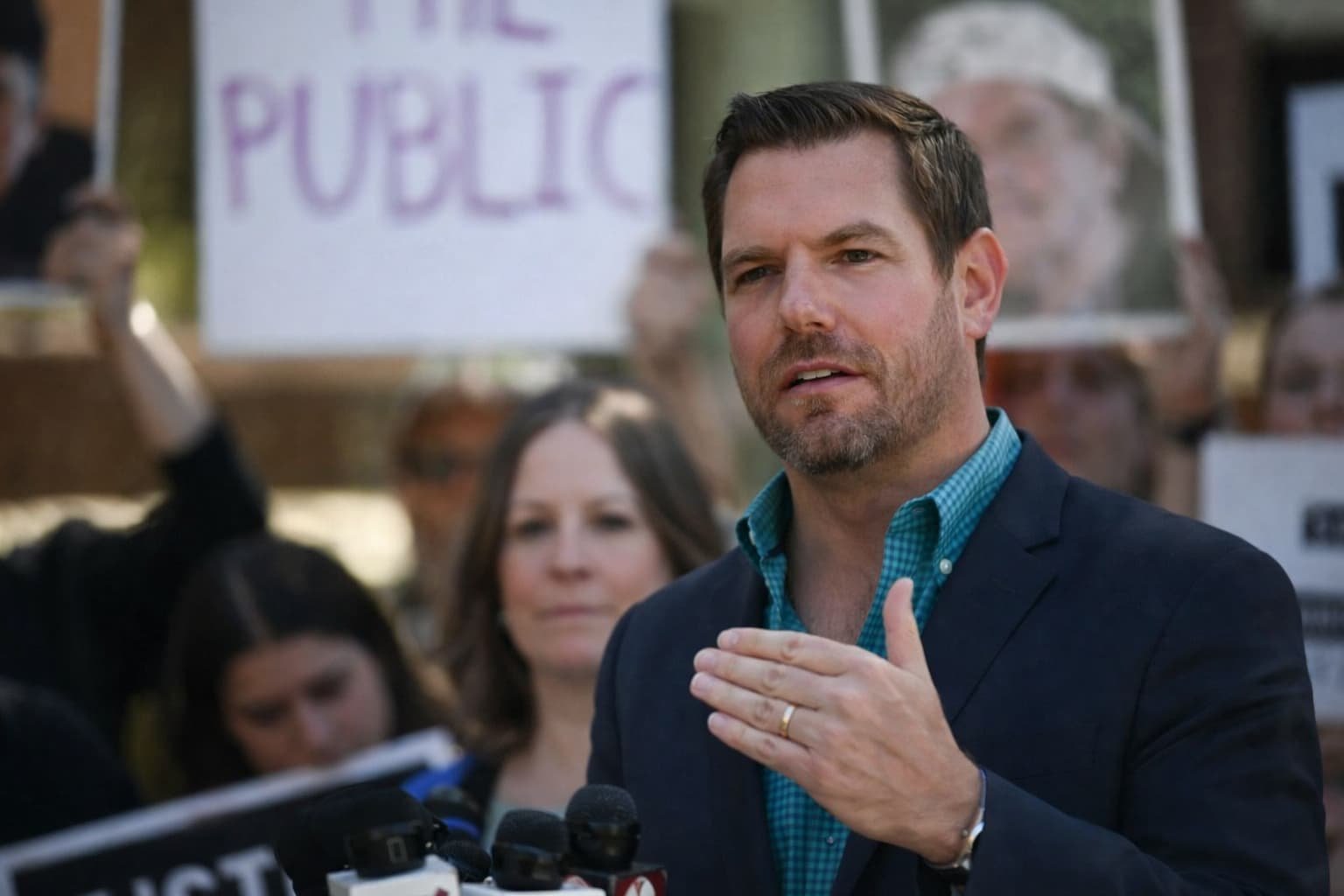
California Congressman Eric Swalwell resigned from the United States House of Representatives Monday, one day after sexual assault and misconduct allegations forced the immediate collapse of his campaign for California governor — a race he had entered as one of its top contenders.
Swalwell announced his resignation from Congress in a statement posted online, saying he was “deeply sorry” to his family, staff, and constituents for mistakes in judgment he acknowledged making in his past. He said he would fight what he called a serious and false allegation made against him, but that the battle was his to fight — not a campaign’s.
The collapse came with stunning speed. Swalwell had been considered a frontrunner in a wide-open California governor’s race ahead of the June 2 nonpartisan primary, with name recognition built through years of high-profile appearances, his role on the House Intelligence Committee, and a previous presidential campaign. Within 24 hours of the allegations surfacing, key staffers quit and prominent Democratic supporters urged him to withdraw.
What the Allegations Involve
The allegations that ended Swalwell’s campaign center on claims of sexual assault and misconduct involving a former staffer. Swalwell denied the allegations in his resignation statement, drawing a distinction between what he called serious false allegations he intends to fight legally and separate past mistakes in judgment he accepted responsibility for.
The nature of the allegations — made against a sitting congressman who had been aggressively positioning himself as a fighter for accountability — struck his own political base as disqualifying regardless of their ultimate legal resolution. Political operatives noted that the window between an allegation becoming public and a modern political campaign becoming untenable had narrowed to hours.
The California governor’s race, which drew national attention as a high-stakes test for Democrats heading into November’s midterm elections, now loses one of its most recognizable candidates at a moment when the party had been counting on strong performance in California to offset potential losses elsewhere.
A Second Congressman Also Resigned Monday
Swalwell was not alone. Two embattled members of Congress announced their resignations on the same day in what became a remarkable double exit from the House on Monday. The back-to-back departures immediately raised questions about the balance of power in the narrowly divided chamber and the timing of any special elections to fill the vacant seats.
California’s June 2 primary continues without Swalwell, and the competitive field — which had been wide open even before his exit — now includes prominent Democrats and two Republicans competing in the state’s nonpartisan top-two primary system. Whoever advances from June will face a general election runoff in November in a race that now has to be rebuilt around his absence.
The Swalwell episode arrived at a moment when Democrats were already navigating multiple pressures heading into the fall — an incumbent president’s economic numbers weighed down by the Iran war energy shock, the ongoing Medicaid cuts fallout, and an inflation rate still running above the Federal Reserve’s target.