
SAN FRANCISCO, APRIL 11, 2026 —
At 4:12 AM on Friday, a 20-year-old man walked up to the exterior gate of Sam Altman’s home in San Francisco’s North Beach neighborhood, threw an improvised incendiary device at it, and fled on foot as the gate caught fire. Security guards extinguished the blaze before it spread. No one was hurt.
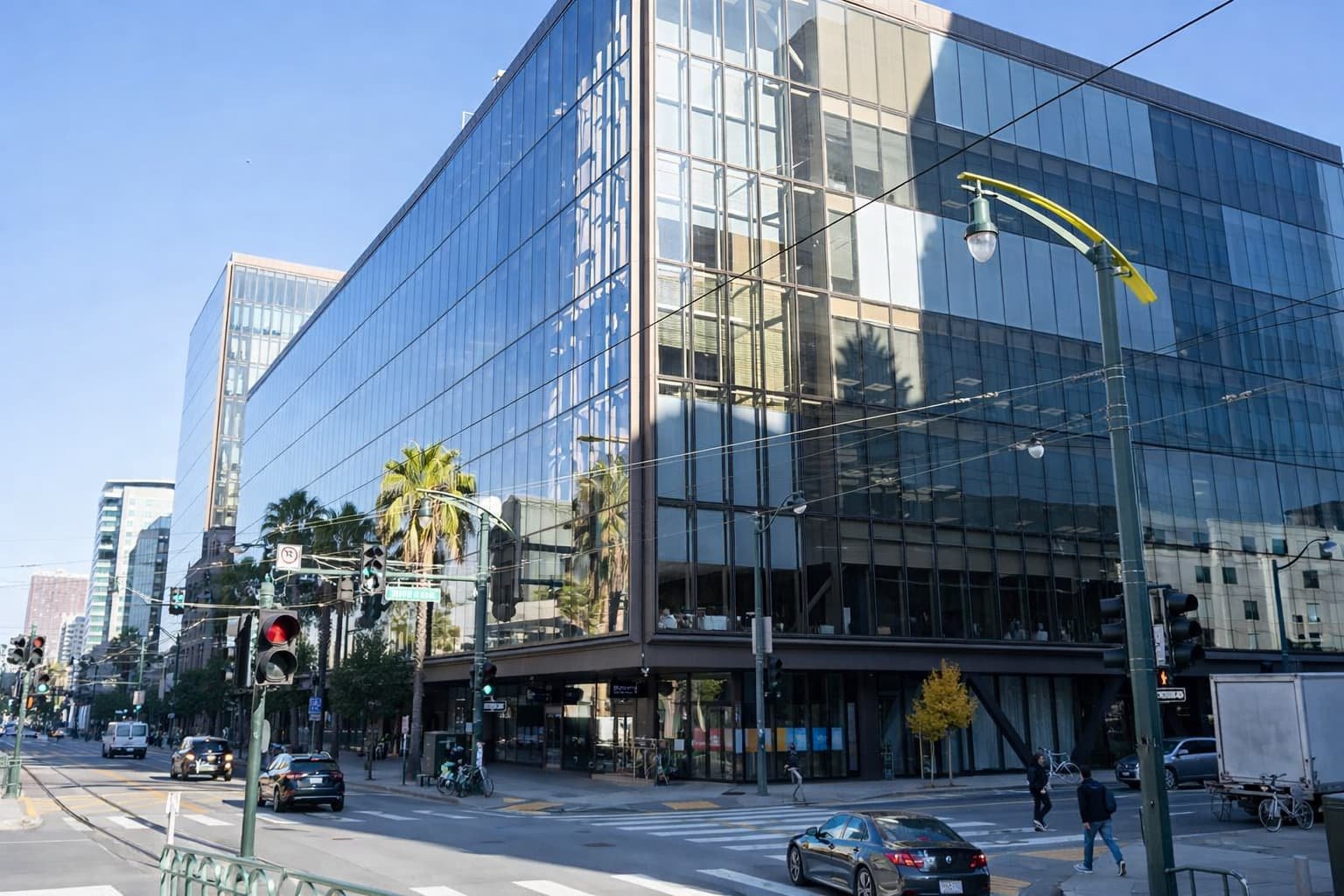
About an hour later, the same suspect showed up at OpenAI’s Mission Bay headquarters and threatened to burn the building down. Police responding to that call recognized the man from surveillance footage of the earlier attack and arrested him immediately. Charges are pending. The suspect has not been publicly identified.
“Thankfully, no one was hurt,” OpenAI said in a statement. “We deeply appreciate how quickly SFPD responded and the support from the city in helping keep our employees safe. The individual is in custody, and we’re assisting law enforcement with their investigation.”
Altman, who was not home at the time, responded on his personal website with a photo of his family. “I love them more than anything,” he wrote. “I am sharing a photo in the hopes that it might dissuade the next person from throwing a Molotov cocktail at our house, no matter what they think about me.”
Why Now — The Context Around OpenAI
No motive has been publicly disclosed, and no connection between the suspect and any organized movement has been confirmed. But the attack arrives at a moment of intense controversy surrounding Altman and OpenAI across multiple fronts.
The Defense Department deal. In February 2026, OpenAI struck a partnership with the Department of Defense after the Pentagon severed ties with AI rival Anthropic — a move that drew immediate protests from AI safety activists who wrote messages in chalk outside both companies’ offices urging employees to speak out.
The $122 billion fundraise. On March 31, OpenAI closed the largest private fundraising round in history at an $852 billion valuation, extending participation to retail investors for the first time. The round made OpenAI’s scale a matter of daily public conversation and intensified scrutiny of Altman’s concentration of power and capital in the AI industry.
The policy paper. Just four days before the attack, OpenAI published a 13-page policy blueprint calling for robot taxes, a public wealth fund, and a four-day work week as AI approaches superintelligence — a document that drew widespread criticism from those who saw it as self-serving from the company driving the very disruption it proposed to cushion.
The Elon Musk lawsuit. A case expected to go to trial later this month has Musk suing OpenAI and Altman, claiming Altman “assiduously manipulated” him into donating $38 million to the company on promises it would remain a nonprofit. The trial has kept OpenAI in headlines and amplified public debate about the company’s direction.
This is not the first security incident at OpenAI. Last year the company locked down its San Francisco office after a threat from a person once affiliated with an anti-AI activist group.
Who Is Sam Altman
Sam Altman, 40, is the CEO of OpenAI — the company behind ChatGPT, which now has more than 900 million weekly active users and approximately 50 million paid subscribers. Under his leadership, OpenAI grew from a research lab into the most valuable private technology company in history. He also heads Worldcoin, a cryptocurrency identity project, and is a former president of Y Combinator, the Silicon Valley accelerator that backed Airbnb, Stripe, and Dropbox.
A recent NBC News poll found that AI is viewed less favorably than even ICE among the American public — a sign of how quickly public sentiment has soured on the industry’s power concentration even as adoption of AI tools accelerates.
The San Francisco Police Department said the investigation is “open and active.” No further details about the suspect, motive, or charges have been released.