
WASHINGTON, MARCH 28, 2026 —
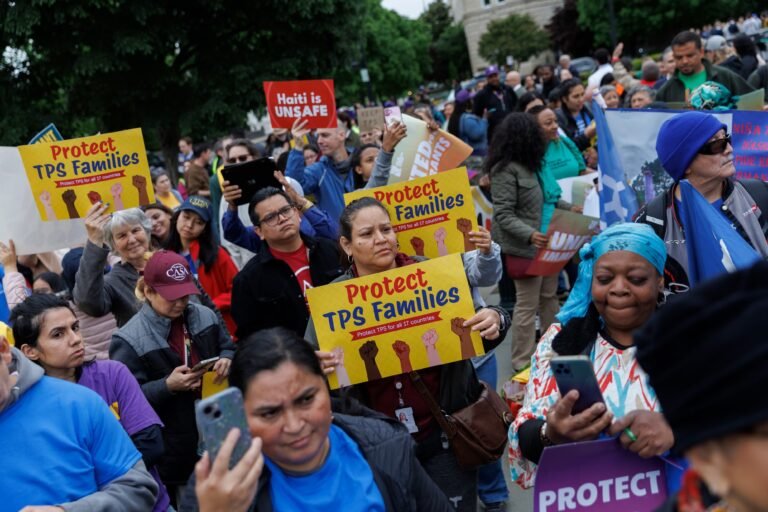
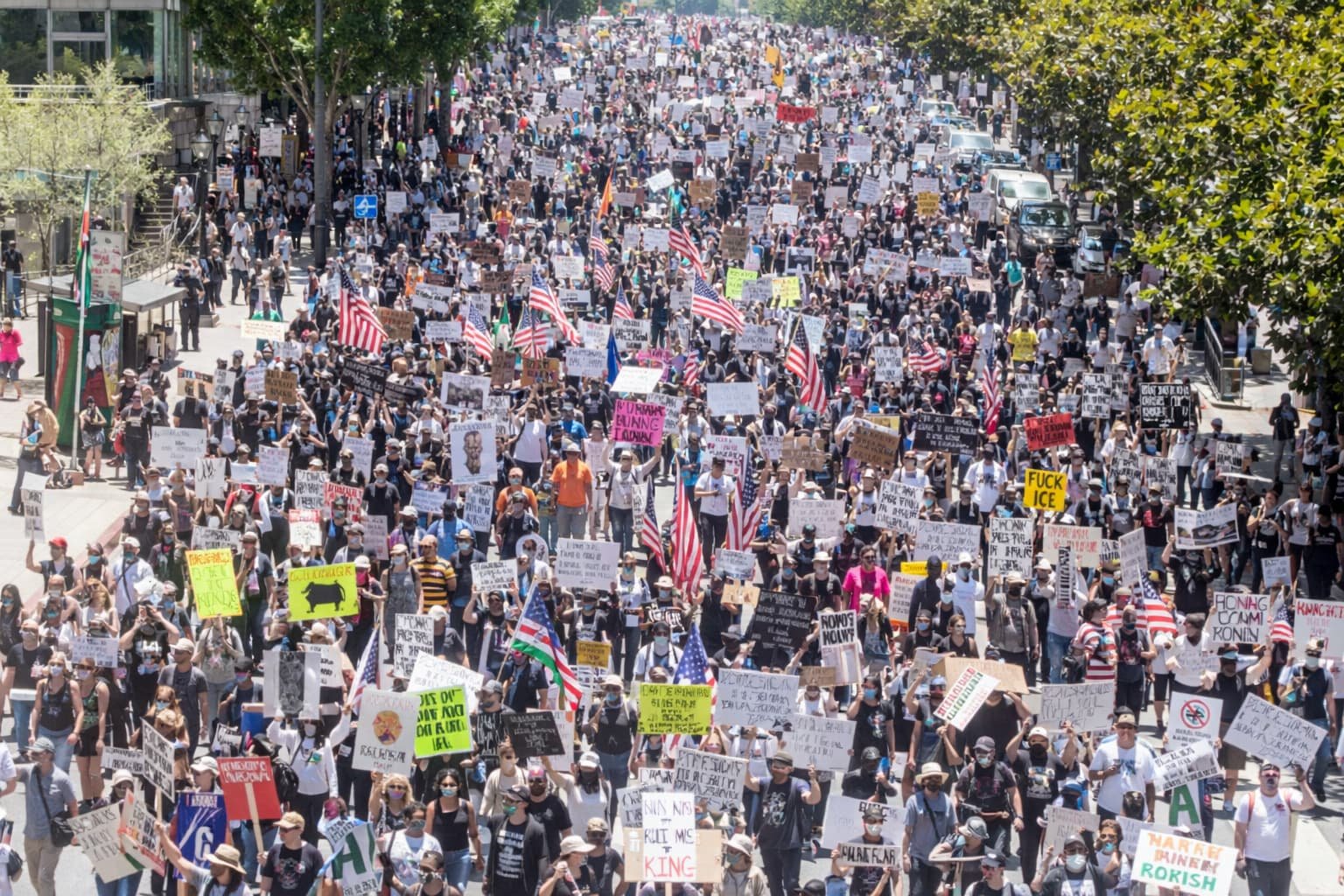
Today, millions of Americans are stepping outside. In every state. In every congressional district. In red counties and blue cities, in rural towns and major metropolitan centers, on college campuses and in suburban parking lots. The third iteration of the No Kings protest movement — scheduled for Saturday, March 28 — is unfolding in more than 3,000 locations across the United States and is expected to surpass every previous record for single-day protest turnout in American history.
The previous record, set at October’s No Kings 2.0 protests, drew an estimated seven million participants. Organizers of today’s events say the March 28 mobilization will exceed that figure significantly. “This will be the largest protest in American history,” Indivisible co-executive director Ezra Levin said Friday. “We will be in every single congressional district from the bluest blue to the reddest red.”
What Is Driving People Out
The No Kings movement emerged in 2025 as a response to what organizers describe as authoritarian tendencies in the Trump administration. Since then, it has grown with each iteration — the June 2025 protest drew five million, October drew seven million — as the list of grievances has expanded.
Today’s demonstrations come at one of the most politically turbulent moments of Trump’s second term. The Iran war — now in its 28th day — has killed more than 2,850 people, pushed gas prices toward $4 a gallon, driven oil above $110 a barrel, and sent the stock market into its worst monthly performance in nearly four years. A partial government shutdown has left 46,000 TSA workers without paychecks for six weeks while spring break travelers face two-hour airport security lines. ICE agents have been deployed to airports and immigration courthouses, leading to hundreds of arrests and two deaths in Minneapolis that galvanized protest movements across the Midwest.
Each of those developments has added new constituencies to today’s marches — not just the committed progressive activists who turned out in June and October, but suburban voters, military families, small business owners watching their customer spending evaporate, and retirees watching their 401(k) accounts decline for a fifth straight week.
Where the Largest Protests Are Happening
The flagship event is in St. Paul and Minneapolis, Minnesota — chosen deliberately for its proximity to where federal immigration agents fatally shot Renee Good and Alex Pretti in January during an immigration enforcement operation. Speakers and performers there include Senator Bernie Sanders, Bruce Springsteen, Jane Fonda, Joan Baez, and Maggie Rogers. Organizers called the Twin Cities event “the main event — the one the whole country is watching.”
In Los Angeles, tens of thousands gathered at City Hall and Gloria Molina Grand Park. Chicago’s Grant Park hosted one of its largest single-day demonstrations. New York City events stretched across all five boroughs. In Washington, D.C., marches converged on the National Mall. More than 40 events were scheduled in the Philadelphia region alone. Massachusetts had the second-highest number of registered events after California.
Internationally, No Kings solidarity protests were scheduled in London, Paris, Berlin, Toronto, Sydney, and dozens of other cities — a reflection of how closely the world is watching America’s domestic political moment.
Who Is Showing Up — And How the Crowd Is Changing
The composition of No Kings protests has shifted measurably with each iteration, a fact that both organizers and independent researchers tracking the movement have noted. At the January 2025 People’s March, 77% of participants were women. By October’s No Kings 2.0, that figure had dropped to 57% — meaning significantly more men are now showing up. The protests are also drawing participants who describe themselves as politically moderate or independent, not simply the Democratic base.
Brookings Institution researchers who have surveyed protest participants at every No Kings event say the shift reflects the broadening of the movement’s grievances beyond immigration policy into economic territory — gas prices, stock market losses, government shutdown — that affects voters across partisan lines.
Trump’s Response
Trump dismissed the protests Friday, telling reporters they had no impact on his decisions. He previously called No Kings demonstrators “professional protesters” and suggested the movement was funded by political opposition groups. White House Press Secretary Karoline Leavitt said the administration “respects the right to peaceful protest” while maintaining that the president’s approval ratings and congressional support remain strong.
The irony that the largest protest in American history is unfolding on the same day Trump’s Dow Jones Industrial Average entered correction territory — down more than 10% from its peak — was not lost on demonstrators who carried signs connecting the Iran war, gas prices, and airport chaos to a single set of policy decisions.
What Comes Next
No Kings organizers have already scheduled a national mass call for March 31 to “celebrate this historic mobilization and dig into what comes next.” The movement has consistently used its protest days as organizing platforms — building volunteer networks, congressional contact campaigns, and mutual aid structures that persist between demonstrations.
Whether today’s turnout matches or exceeds organizers’ projections will be known by Saturday evening. What is already clear is that an unprecedented number of Americans — spanning geography, demographics, and political identity — decided that March 28, 2026, was the day to leave their homes and say something out loud.