
WASHINGTON, MARCH 24, 2026 — The Iran war may have reached its turning point. President Trump announced early Monday morning that the United States is pausing all planned military strikes against Iranian power plants and energy infrastructure for five days — and disclosed that American and Iranian negotiators have been engaged in back-channel talks aimed at a “complete and total resolution” of the 25-day conflict.
The announcement came hours before Trump’s 48-hour ultimatum to Iran was set to expire. Just 72 hours ago, Trump had threatened to “obliterate” Iran’s largest power plants if Tehran did not reopen the Strait of Hormuz. On Monday morning, in a post on Truth Social written entirely in capital letters, he said the talks had gone “perfectly” and that the two sides had reached “almost all points of agreement.”
Asian stock markets rallied immediately. Japan’s Nikkei 225 rose 0.9%. South Korea’s Kospi gained 1.1%. Hong Kong’s Hang Seng climbed 1.4%. Oil prices fell sharply from their recent highs. For markets that have been pricing in escalating war for 25 days, Trump’s announcement was the first genuine signal that the fighting might be approaching an end.
What Trump Actually Said — and What Iran Said Back
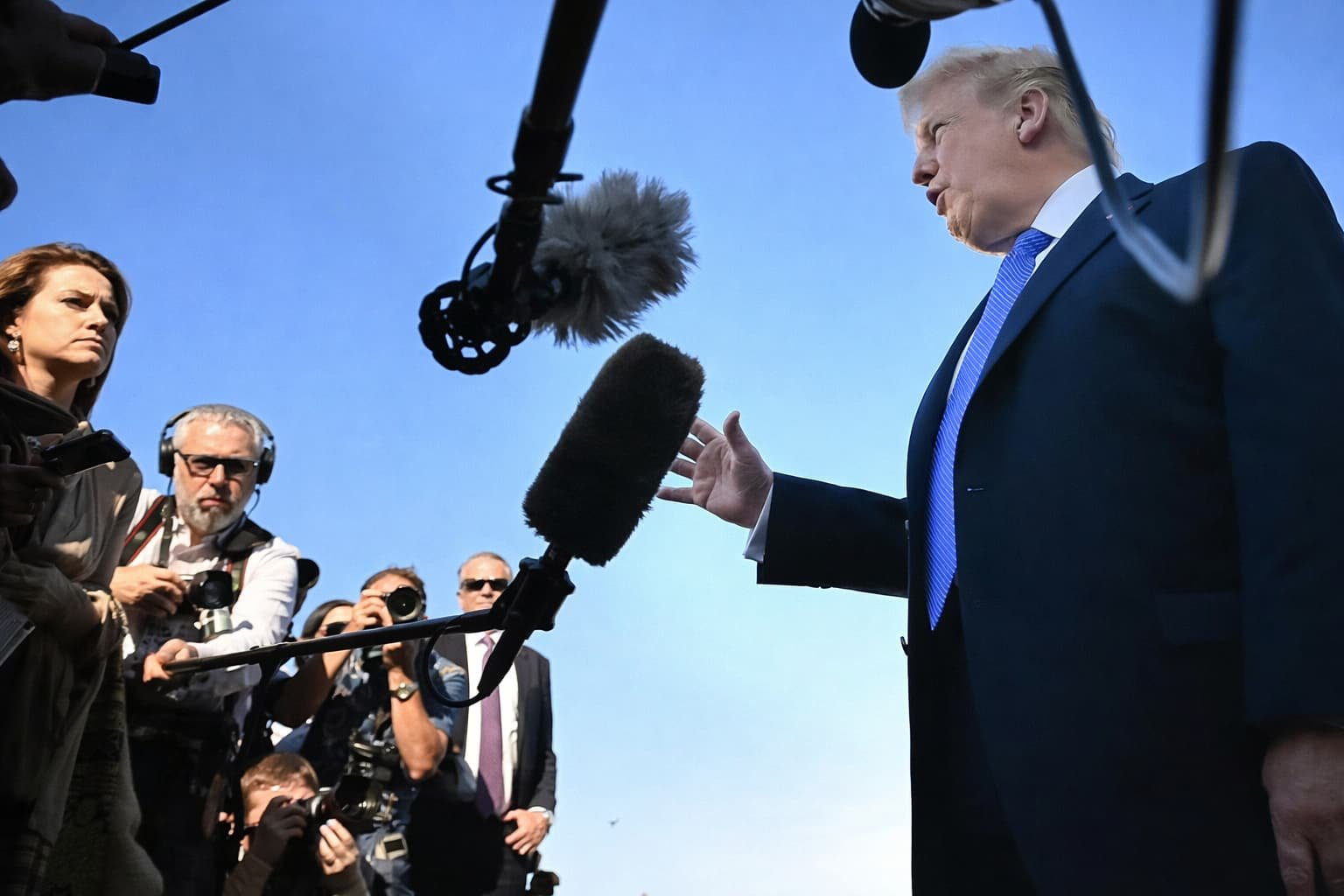
Trump’s Truth Social post was characteristically bold. He said the United States and Iran had held “very, very strong talks” over the weekend — conducted by Special Envoy Steve Witkoff and Jared Kushner — and that the tone and tenor of the conversations had been positive enough to justify postponing the power plant strikes for five days.
“We have point — major points of agreement, I would say, almost all points of agreement, perhaps that hasn’t been conveyed,” Trump told reporters at Palm Beach International Airport Monday morning.
Iran’s response was immediate and contradictory. Iranian state media — citing the Foreign Ministry — flatly denied that any talks had taken place, calling Trump’s announcement an attempt to “lower energy prices and buy time” for U.S. military planning. Iranian state television described the postponement as Trump “backing down out of fear of Iran’s response” — a characterization the White House rejected entirely.
The contradiction between Trump’s account and Tehran’s denial is itself significant. It suggests either that the talks were conducted through intermediaries in a way that gave Iran plausible deniability, or that Trump’s characterization of the talks was more optimistic than the substance warranted. Israeli Prime Minister Benjamin Netanyahu, speaking Monday, said Trump believes there is an opportunity to convert major military gains into a negotiated agreement — but made clear Israel would continue its own strikes on Iran and Lebanon regardless of U.S. posture.
Iran War Day 25 — Where Things Stand
Iran War Status — March 24, 2026
| Development | Detail |
|---|---|
| Trump power plant pause | 5 days — expires Friday March 28 |
| Iran’s response | Denied any talks took place |
| Israel’s position | Will continue strikes independently |
| Asian markets | Nikkei +0.9%, Kospi +1.1%, Hang Seng +1.4% |
| Oil price reaction | Fell from $114 — still above $105 |
| Strait of Hormuz | Still effectively blocked |
| Total regional dead | 2,300+ confirmed |
| Iranian civilians killed | 1,047+ including 214 children |
| Lebanon death toll | 1,039+ including 118 children |
| USS Gerald Ford deployment | Longest since Vietnam War if extended past April |
What the Five-Day Pause Actually Means
The five-day pause is not a ceasefire. It is not an agreement. It is a unilateral American decision to hold off on one specific category of strikes — power plant attacks — while diplomacy is explored. Everything else continues.
Israel struck targets in the heart of Tehran on Monday, the same day Trump announced the pause. Iranian missiles continued landing in Israel through the weekend, injuring 175 people in the cities of Arad and Dimona on Saturday night. The Strait of Hormuz remains blocked. The West Bank saw a surge of Israeli settler violence against Palestinians — an average of 10 settler attacks per day since the beginning of March, according to Israeli human rights group Yesh Din.
The pause also does not address the fundamental unresolved question at the center of the conflict: what does Iran get in return for reopening the strait? Tehran has consistently said it will not reopen the waterway unless the U.S. and Israel halt all military operations. Washington has consistently said it will not halt operations until Iran’s nuclear and missile infrastructure is neutralized. Bridging that gap in five days — or at all — remains the central challenge of any negotiated end to this war.
The Road to a Deal — What Would It Take
Trump administration officials have begun internal discussions on what a peace framework might look like. Sources familiar with the discussions told reporters the framework being considered involves Iran agreeing to halt Strait of Hormuz interference and suspend its nuclear program in exchange for a phased lifting of U.S. sanctions and a formal end to military operations.
Senator Lisa Murkowski of Alaska — who had been pushing for a congressional vote on an Authorization for Use of Military Force — said Monday’s announcement was encouraging but warned that Congress needed to be involved in any final agreement. The administration has conducted the entire war without a formal AUMF — a constitutional question that has drawn bipartisan criticism.
Whether the five-day window produces a genuine breakthrough or simply expires without resolution — as Trump’s previous deadlines have — will define the next chapter of a conflict that has killed more than 2,300 people, displaced over one million Lebanese, blocked global energy markets, and pushed the U.S. economy toward stagflation in 25 days.
The world now has five days to find out if Donald Trump and the Islamic Republic of Iran can agree on how to end a war that neither side fully anticipated and that both sides are now paying a very steep price to continue.