
WASHINGTON, MARCH 17, 2026 — The board voted unanimously. The chairman presided. The meeting was held at the White House. And just like that, one of America’s most iconic cultural institutions — the performing arts center that bears the name of a martyred president — will go dark after July 4 for two years.
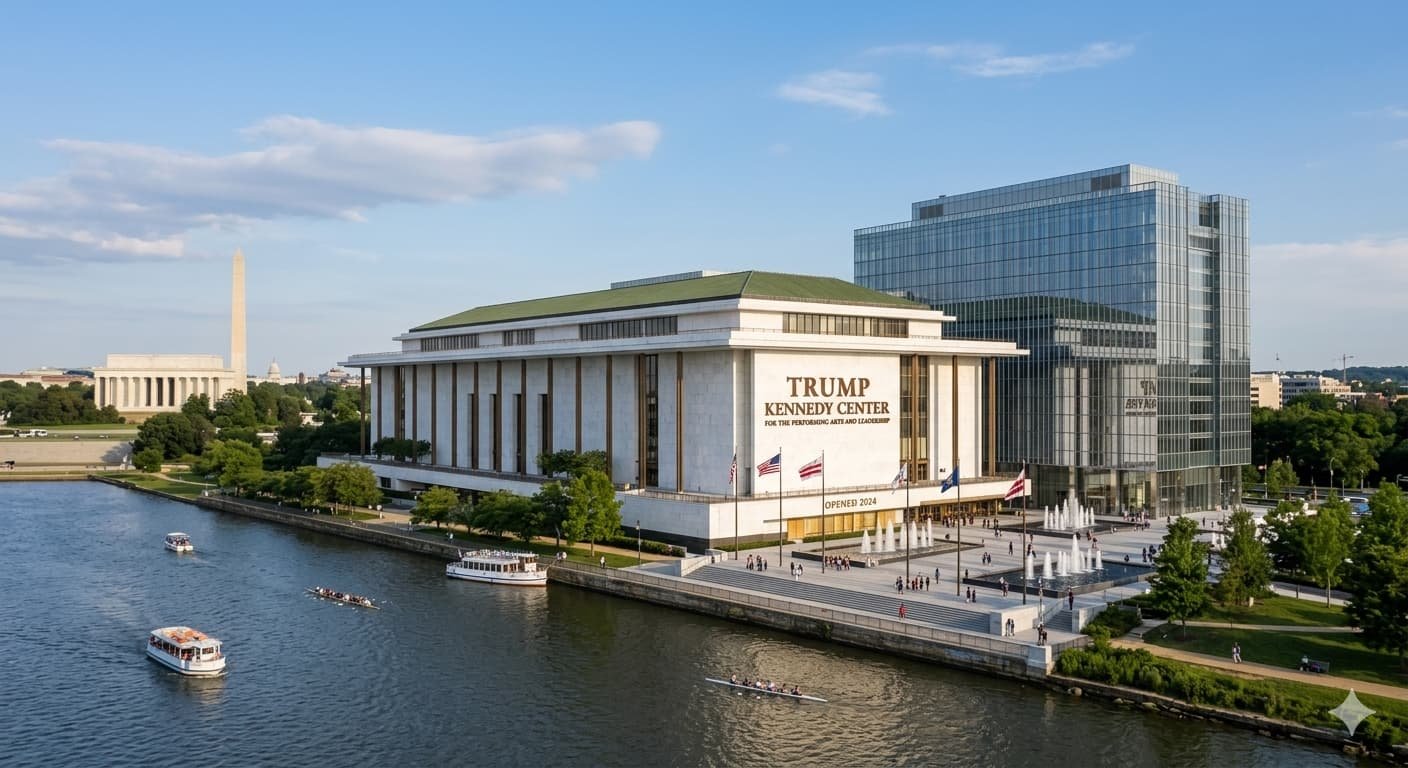
Trump’s handpicked board of trustees at the Kennedy Center voted Monday to approve a two-year closure of the storied Washington arts complex, beginning after the Fourth of July celebrations this summer. The $257 million renovation will gut the 55-year-old building’s infrastructure — replacing HVAC systems, electrical wiring, structural elements, and plumbing — while Trump simultaneously reshapes the space’s identity from the ground up.
It was, in every sense, a meeting Trump had already won before it began.
How It Happened
Trump fired the Kennedy Center’s entire previous board in February 2025 and replaced every member with handpicked loyalists — among them second lady Usha Vance, Susie Wiles, and Allison Lutnick. He named himself chairman. The board then voted to rename the institution the Trump Kennedy Center — a move legal scholars say required congressional authorization that was never sought.
Monday’s board meeting was technically held at the Kennedy Center but convened in the East Room of the White House, where Trump hosted a lunch with trustees and Speaker Mike Johnson beforehand. When the vote was called, it was unanimous.
One Democrat was in the room. Representative Joyce Beatty of Ohio, an ex-officio board member through her congressional seat, had sued the Trump administration to secure her attendance. A federal judge ruled Saturday that she was entitled to be present — but declined to require the board to allow her to vote. She watched, attended, and was blocked from casting a ballot.
“I am totally against the process,” Beatty told reporters afterward. “By statute, the Kennedy Center is the only living memorial designated by Congress. Violation one — putting Donald Trump’s name on the building.”
What Trump Said
Trump was characteristically direct about his reasoning. He told the board and assembled reporters that the fastest way to bring the Kennedy Center to its highest level of success, beauty, and grandeur was to cease entertainment operations for two years while construction was completed. He argued the building was on the verge of collapse — a characterization that drew immediate pushback from critics who noted that its parking garage had recently been praised as among the finest in Washington.
“What I know best in the world is construction,” Trump said. “The best way to do it is close it, do it properly and reopen and have a grand reopening.”
He also didn’t hide his view of the Kennedy Center’s recent cultural direction. He called its programming too woke and said the institution had driven away audiences with content that didn’t reflect American values. Ticket sales had dropped significantly since Trump took control of the board — though whether that was because of programming changes or audience backlash to the political takeover itself remained a point of sharp dispute.
The Artists Who Already Left
The closure vote is the formal end of a cultural exodus that began the moment Trump renamed the building. Actor Issa Rae canceled her appearance. Musician Bela Fleck withdrew. Author Louise Penny pulled out. Consultant Ben Folds resigned. Singer Renée Fleming stepped back. The executive director of the National Symphony Orchestra left for Los Angeles.
The Kennedy Center’s new programming included the world premiere of Melania Trump’s documentary — a signal to the arts community of exactly what direction the institution was heading. Major ballet companies have severed long-cultivated relationships. Former staff have warned in court declarations that the damage to those partnerships may be permanent, not temporary.
The $257 million renovation budget was secured through the One Big Beautiful Bill Act passed by Congress last year — public money for what critics argue is a politically motivated transformation of a national institution.
What Comes Next
Matt Floca, previously the building’s vice president of facilities and operations, was named the Kennedy Center’s new CEO and executive director, replacing Richard Grenell. Trump praised Grenell and wished Floca luck. Construction begins after July 4.
For now, the Kennedy Center’s remaining schedule will proceed through the summer. Shows are still being performed. Tickets are still being sold. After Independence Day, the lights go off.
Two years from then, Trump promises, the finest performing arts facility in the world will reopen — rebuilt, renamed, and remade in his image.
Whether the artists will come back is another question entirely.