

By Harshit
WASHINGTON, JANUARY 22 — While public attention in recent years has focused on inflation, interest rates, and labor shortages, a less visible shift is gaining importance inside the U.S. economy: productivity growth. In 2026, improvements in how efficiently Americans work—rather than how many people are employed—are increasingly driving economic stability.
This trend is subtle, uneven, and often overshadowed by short-term data releases. But it may be one of the most important structural strengths of the U.S. economy moving forward.
Productivity Returns After a Long Slump
For much of the past decade, U.S. productivity growth was sluggish. Output per worker barely increased, limiting wage growth and long-term economic potential. The disruptions of the early 2020s initially worsened the problem as businesses scrambled to adapt.
By 2026, that pattern has changed. Across multiple sectors, companies are producing more with the same—or even smaller—workforces. This shift is not driven by longer hours, but by better tools, improved processes, and smarter allocation of labor.
Technology Adoption Moves From Optional to Essential
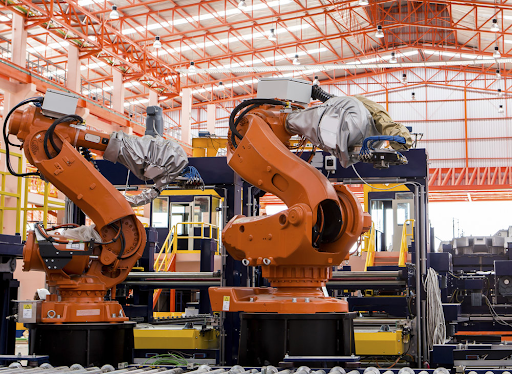
Digital tools that were once considered efficiency enhancers are now core infrastructure. Automation in logistics, scheduling software in services, and advanced analytics in manufacturing have reduced waste and downtime.
Unlike earlier tech waves that focused on expansion, the current phase emphasizes optimization. Businesses are integrating technology into existing operations rather than building entirely new ones. This approach delivers incremental gains that compound across the economy.
Productivity improvements may appear modest individually, but collectively they strengthen growth without adding inflationary pressure.
Labor Constraints Force Smarter Work

One reason productivity is improving is necessity. Even as labor markets normalize, many industries still face skill shortages and demographic constraints. Employers cannot rely on rapid hiring to meet demand.
Instead, companies are redesigning workflows, cross-training employees, and simplifying operations. Tasks that once required multiple steps are being consolidated. Decision-making is becoming more data-driven and less hierarchical.
This shift benefits output, but it also changes the nature of work—placing greater emphasis on adaptability and technical literacy.
Why Productivity Matters for Inflation
Productivity growth plays a critical role in controlling inflation. When businesses can produce more without proportionally higher costs, they face less pressure to raise prices.
In 2026, this dynamic is helping offset lingering cost pressures in areas such as wages and logistics. While productivity alone cannot eliminate inflation, it provides breathing room for both companies and policymakers.
This is one reason the U.S. economy has remained stable despite higher interest rates.
Sectoral Differences Remain Large

Productivity gains are not evenly distributed. Manufacturing, logistics, and professional services have seen significant improvements. Sectors such as healthcare, education, and public services remain constrained by regulatory complexity and labor-intensive models.
These differences shape regional economic performance and influence where investment flows. Areas that combine skilled labor with efficient systems are pulling ahead.
The Wage Connection
Over time, productivity growth supports wage growth. When workers generate more value per hour, employers can afford higher compensation without eroding margins.
In the short term, the relationship is imperfect. But in the medium to long term, productivity is one of the few sustainable paths to rising living standards.
For the U.S. economy in 2026, this makes productivity a strategic asset rather than a technical statistic.
Why This Strength Is Underappreciated
Productivity gains do not show up dramatically in monthly headlines. They emerge gradually and are often revised in official data. As a result, their importance is easy to underestimate.
Yet this quiet improvement is helping the U.S. economy absorb shocks, manage higher borrowing costs, and maintain competitiveness globally.
A Foundation for the Next Phase of Growth
The U.S. economy is not accelerating rapidly in 2026—but it is becoming more efficient. That efficiency matters. It supports resilience today and creates capacity for stronger growth when conditions improve.
In an era of uncertainty, productivity may be the economy’s most reliable advantage.