
ISLAMABAD / WASHINGTON, APRIL 12, 2026 —
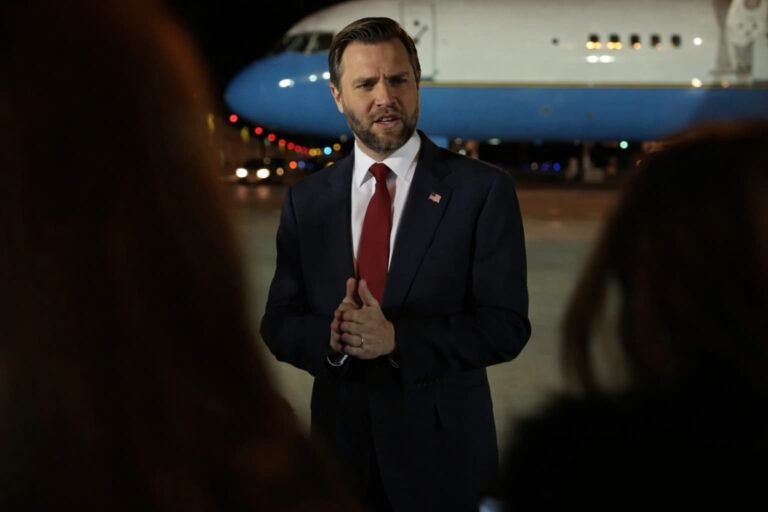
The most significant diplomatic engagement between the United States and Iran in decades ended in failure Sunday morning, as Vice President JD Vance departed Pakistan without a deal after 21 hours of face-to-face negotiations that both sides described as “intense” but ultimately unbridgeable.
Within hours of the breakdown, President Donald Trump escalated dramatically — announcing on social media that the U.S. Navy would immediately begin blockading the Strait of Hormuz, the critical oil shipping chokepoint through which roughly 20% of the world’s daily petroleum supply travels.
What Happened in Islamabad
The talks, which began on Saturday and ended in the early hours of Sunday local time, were the first face-to-face engagement between the U.S. and Iran since 2015, when the Obama administration negotiated a nuclear deal with Iran that was later scrapped by Trump.
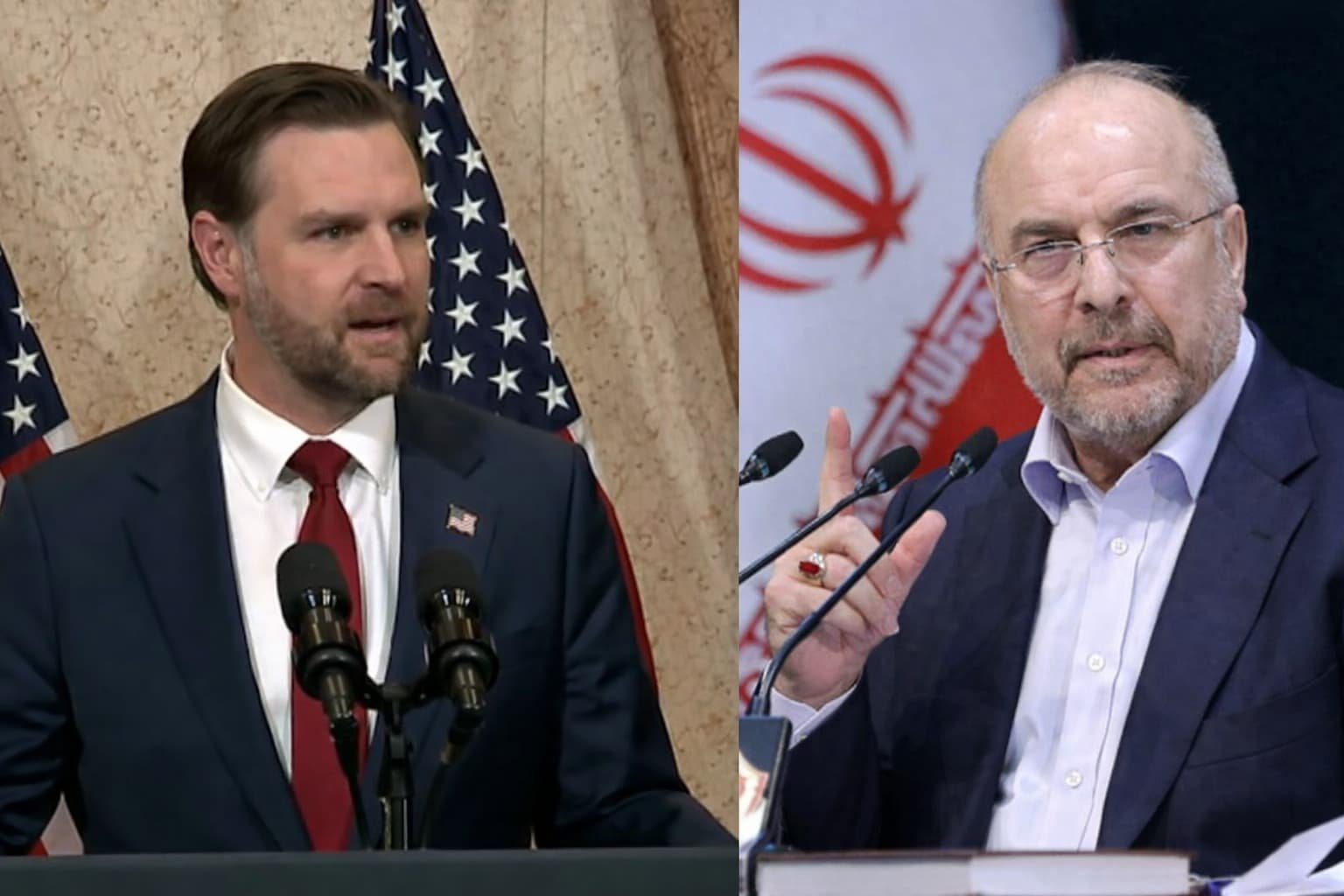
Vance, the head of the U.S. delegation, told reporters the bad news was that no agreement had been reached, adding that he believed it was “bad news for Iran much more than it’s bad news for the United States.” He was joined by Special Envoy Steve Witkoff and Jared Kushner, Trump’s son-in-law, as part of the senior American delegation. Iran’s side was led by Foreign Minister Abbas Araghchi and Parliamentary Speaker Mohammad Bagher Ghalibaf.
Vance said the U.S. core demand was an affirmative commitment from Iran that it would not seek a nuclear weapon and would not seek the tools that would enable it to quickly achieve one. That, he said, was “the core goal of the President of the United States.”
According to a source briefed on the talks, key disagreements centered on Iran’s demand to maintain control of the Strait of Hormuz and its refusal to give up its enriched uranium stockpile. Iran’s state media blamed the collapse on what it characterized as “excessive demands” from Washington.
Pakistan’s Role and What Comes Next
Pakistan, which brokered the two-week ceasefire that allowed the Islamabad talks to take place, said it would continue to mediate between the two sides, with its foreign minister urging both parties to preserve the ceasefire spirit and return to negotiations.
Vance left open the possibility that an agreement could still be reached, saying the U.S. was leaving “a very simple proposal” on the table as its “final and best offer” and that the fate of the deal now rested with whether Tehran would accept it.
Iran’s foreign ministry struck a less definitive tone. A ministry spokesperson said that “diplomacy never comes to an end,” while state media reported Tehran currently had no plans for another immediate round of talks.
Trump Orders Naval Blockade
Hours after Vance’s press conference, President Trump announced on Truth Social that the situation had fundamentally changed.
Trump announced that the U.S. Navy would immediately begin blockading any and all ships trying to enter or leave the Strait of Hormuz, calling Iran’s control of the waterway “WORLD EXTORTION.” He also said he had instructed the Navy to interdict every vessel in international waters that had paid a toll to Iran, warning that “any Iranian who fires at us, or at peaceful vessels, will be BLOWN TO HELL.”
Trump said in a separate post that the meeting had lasted nearly 20 hours and that Iran’s refusal to make concessions on its nuclear program was the reason talks failed, writing that Iran was “unwilling to give up its nuclear ambitions.”
The announcement throws the fragile two-week ceasefire — struck just five days ago — into serious jeopardy. Despite the ceasefire, the Strait of Hormuz remained effectively closed, with Iran limiting the number of ships that could cross and charging tolls of over $1 million per vessel. U.S. Navy destroyers had already begun mine-clearing operations in the strait on Saturday.
The crisis carries enormous stakes for the U.S. economy. The war has taken 10 to 11 million barrels of crude oil offline per day, and analysts project that crude oil trading prices will hover around $100 a barrel until at least the end of summer, even in a best-case scenario where the strait fully reopens. Gasoline prices in the United States had already climbed to over $4 a gallon — a dollar more than before the war began on February 28.
The next 24 to 48 hours will determine whether the ceasefire holds, whether a new round of diplomacy materializes, or whether the conflict enters its most dangerous phase yet.