
WASHINGTON, APRIL 13, 2026 —
Key Takeaways
- The 30-year fixed mortgage rate sits at 6.37% as of April 9 — down from highs above 7% in 2024, but still more than double the pandemic-era lows that locked millions of homeowners into homes they won’t sell.
- The U.S. median home price stands at approximately $396,900, and housing experts across the board are forecasting a “Great Reset” rather than a crash — meaning slow, grinding normalization that benefits buyers only over several years.
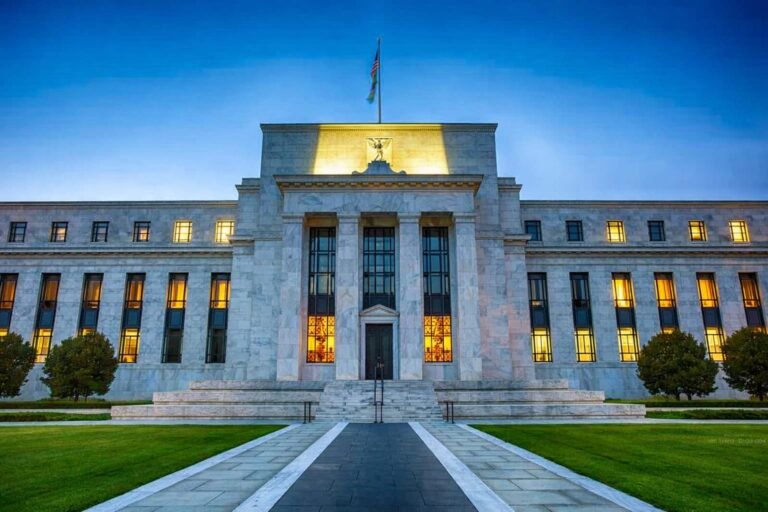
- The Iran war’s energy shock is now directly threatening the housing recovery, pushing mortgage rates higher just as spring buying season began and forcing the Federal Reserve to hold rates steady despite market pressure to cut.
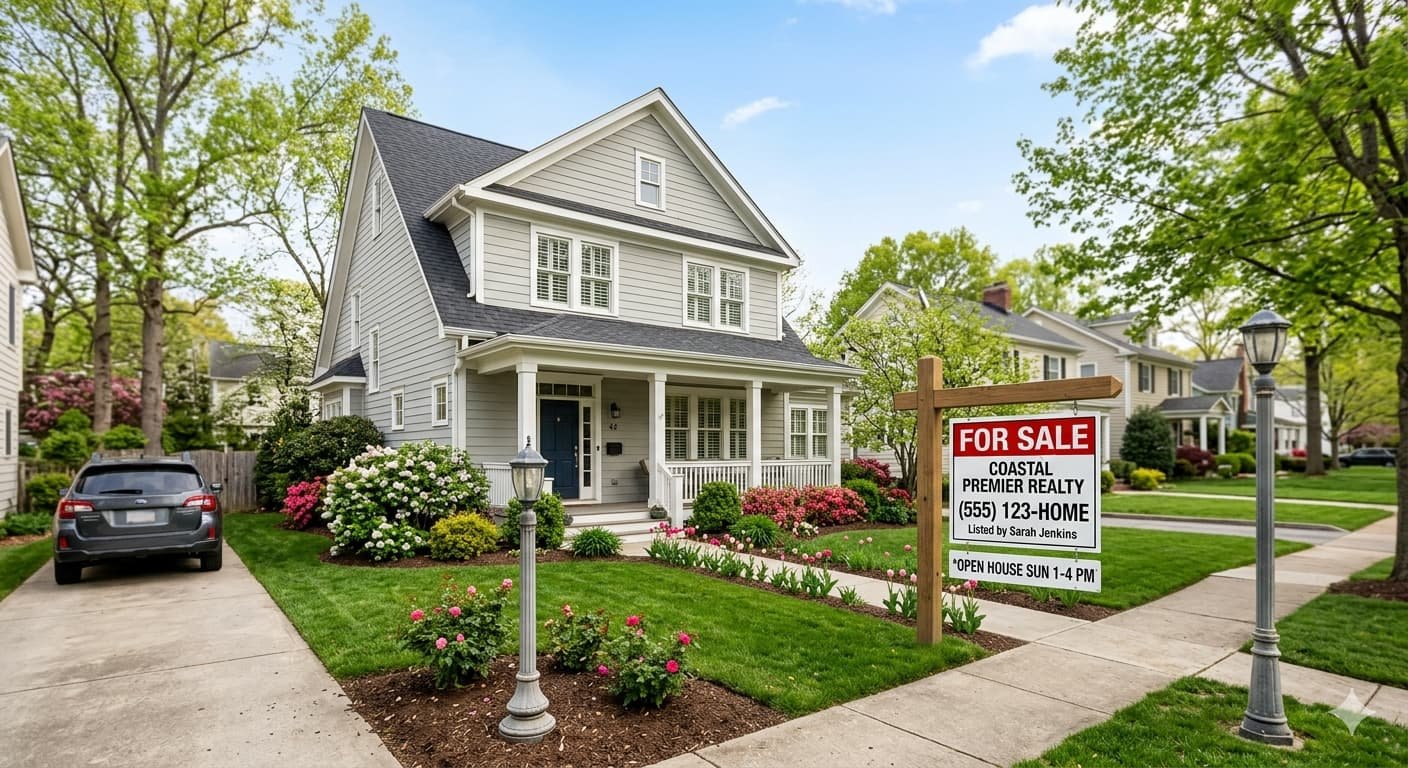
Americans hunting for their first home — or their next one — are stuck in a market that economists have taken to calling the “Great Housing Reset.” It is not a crash. It is not a boom. It is something more frustrating: a prolonged, slow-motion correction that experts say will take four to five years to work through, even under favorable conditions.
The Iran war’s energy shock has now inserted itself as the most disruptive new variable, threatening to stall what had been a tentative improvement in affordability heading into the traditionally busy spring selling season.
The Lock-In Effect Is Still Strangling Supply
The core problem in the American housing market in 2026 is not demand — it is supply, and the reason supply is thin has nothing to do with construction. Roughly 20% of American homeowners with mortgages hold a rate above 6%. The rest are locked into rates from the pandemic era — many below 3% — and face a brutal financial penalty if they sell and take out a new mortgage at today’s rates.
That dynamic, known as the mortgage lock-in effect, has kept millions of would-be sellers on the sidelines for three straight years. Until mortgage rates fall meaningfully below 6% — and stay there — those homeowners have no financial incentive to move. The result is a market where inventory is improving only glacially, and prices are not falling meaningfully despite affordability being stretched to near-historic limits.
Existing home sales in 2026 are projected to reach approximately 4.24 million transactions — well below the 5 to 6 million annual sales considered a healthy market. New listings are increasing slowly, and housing supply is forecast to reach about 4.6 months nationally in 2026, up from the dangerously tight 3 to 4 months of the prior two years. But even at 4.6 months, inventory remains below the 6-month threshold that defines a balanced market between buyers and sellers.
What the Numbers Actually Mean for Buyers Right Now
| Key Housing Market Data — April 2026 | Figure |
|---|---|
| 30-year fixed mortgage rate | 6.37% |
| 15-year fixed mortgage rate | 5.74% |
| Median U.S. home sale price | ~$396,900 |
| Projected 2026 home price growth | 0.7% – 1.3% |
| Existing home sales forecast (2026) | ~4.24 million |
| Housing supply | ~4.6 months |
| Refinance applications (week of Mar 27) | Down 17% |
| Homeowners with mortgage rate above 6% | ~20% |
On a $400,000 home with a 20% down payment, today’s 6.37% rate produces a monthly principal-and-interest payment of approximately $2,000. At the pandemic-era 3% rate, that same home would have carried a monthly payment of roughly $1,350 — a difference of $650 per month, or nearly $8,000 per year. That gap is the reason first-time buyers are being systematically priced out of markets where they would otherwise qualify.
How the Iran War Changed the Mortgage Equation
Before the U.S.-Iran war began on February 28, most forecasters were cautiously optimistic that mortgage rates would drift toward 5.7% to 6% by mid-2026 as the Federal Reserve gradually cut its benchmark rate. That projection is now in serious jeopardy.
The war drove energy prices sharply higher — Brent crude rose above $100 a barrel — which pushed March inflation to 3.3% annually, well above the Fed’s 2% target. When inflation runs hot, the Fed cannot cut rates without risking making it worse, and when the Fed holds rates, mortgage rates remain elevated. Refinance applications fell 17% in a single week in late March as the inflation data landed and rate-cut expectations evaporated.
Now, with the U.S. Navy beginning a naval blockade of Iranian ports Monday morning and oil prices jumping a further 7% overnight, mortgage rates are expected to move higher in the near term, directly opposing the gradual relief buyers had been counting on heading into spring.
Is a 2008-Style Crash Possible?
Housing analysts across the spectrum have reached a clear consensus: no. The structural conditions that caused the 2008 crash — mass subprime lending, overleveraged borrowers, fraudulent securitization, and reckless bank exposure — are not present in today’s market. Lending standards are far tighter. Foreclosure rates are low. Most homeowners have substantial equity built from years of price appreciation. Forced selling on a large scale is not in the cards.
What is in the cards is continued frustration for buyers — particularly millennials and Gen Z households in their prime buying years who have been waiting out an unaffordable market for three to four years and are running out of patience and runway. In the meantime, renting remains the default for millions who would prefer to own, and the rent-to-buy ratio nationally sits at approximately 25.76 — a historically high figure that signals ownership is expensive relative to renting in most American metros.
What This Means For You
If you are a prospective buyer, the most important decision right now is not whether to buy — it is whether your income, savings, and timeline are strong enough to absorb a rate environment that may stay above 6% for the rest of 2026. If the Iran war resolves and energy prices fall, rate relief is possible by year-end. If the conflict intensifies, the window closes. Locking a rate with a float-down provision, if available through your lender, gives you protection in both directions.
If you are a current homeowner considering selling, inventory competition is still lower than historical norms in most markets — meaning your listing still stands out. Waiting for a perfect moment when rates fall to 5% could mean waiting two to three more years in a market where prices are moving sideways.