
WASHINGTON, MARCH 23, 2026 —
Key Takeaways
- TSA security lines are reaching 2 to 3 hours at major U.S. airports as the Department of Homeland Security partial shutdown enters its fourth week with no end in sight
- More than 300 TSA officers have resigned since the shutdown began — with unscheduled absences running at 6% nationwide — meaning staffing shortages will get worse before they get better
- 20 airports across the country — including San Francisco, Kansas City, and Orlando Sanford — use private security contractors instead of TSA and are seeing no significant delays
It is spring break week. More than 2.8 million Americans passed through airport security checkpoints on Friday alone — the second highest single-day total of 2026. And the agency responsible for screening every one of them is in the middle of a staffing crisis that is getting worse by the day.
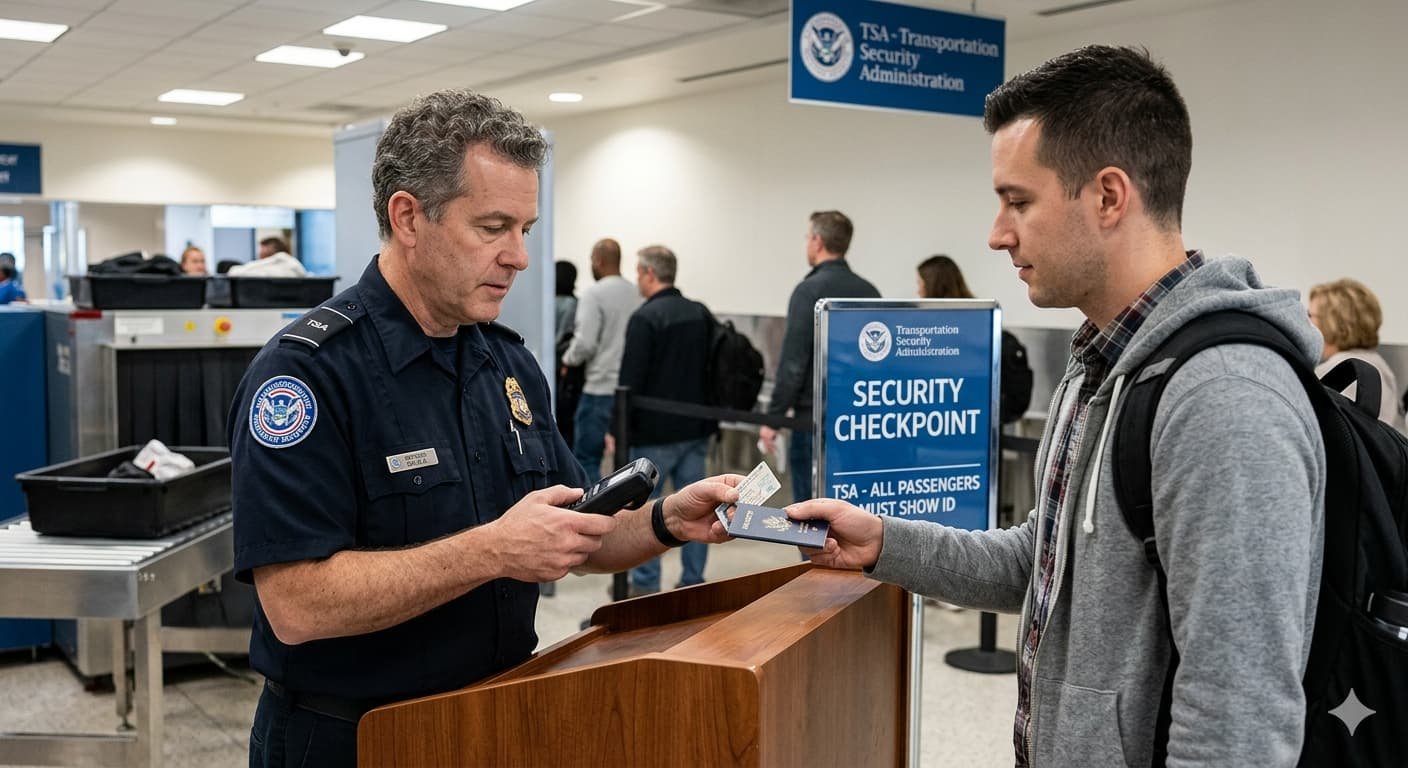
The Department of Homeland Security partial shutdown — now in its fourth week — has left TSA officers working without full pay for the second time in three months. Hundreds have quit. Thousands more are calling out sick at rates well above normal. The result is a security system under serious strain at the exact moment it faces its busiest stretch of the year.
Here is everything you need to know before you leave for the airport this week.
What Is Actually Happening — and Why
The shutdown is the result of a standoff between the Trump administration and Senate Democrats over funding for the Department of Homeland Security. Democrats have refused to fund the agency in an attempt to force reforms to federal immigration enforcement. Republicans have blamed Senate Democrats directly — with some airports playing a recorded message over their intercoms attributing delays to specific senators.
The result, regardless of political cause, is the same for every American traveler. TSA agents — federal employees required by law to show up to work even when Congress has not authorized their pay — are doing exactly that. But they are doing it without receiving their full paychecks. And after months of this pattern — this is the third funding lapse in six months — many have decided the job is no longer worth it.
More than 300 TSA officers have left the agency since the shutdown began. Unscheduled absences have climbed to 6% nationwide. At George Bush Intercontinental Airport in Houston and Hartsfield-Jackson in Atlanta, wait times hit two hours on Friday. Philadelphia International closed three security checkpoints entirely this week due to short staffing. In New Orleans, the airport advised passengers to arrive at least three hours before departure.
Which Airports Are Worst — and Which Are Fine
Spring Break 2026 Airport Security Snapshot
| Airport | Wait Time Status | Reason |
|---|---|---|
| Houston Bush Intercontinental | Up to 2 hours | TSA staffed — shutdown impact |
| Atlanta Hartsfield-Jackson | Up to 2 hours | TSA staffed — shutdown impact |
| Philadelphia International | Checkpoints closed | TSA short staffing |
| New Orleans Armstrong | 3+ hours advised | TSA staffed — shutdown impact |
| Chicago O’Hare | Long lines expected | TSA staffed — spring break peak |
| San Francisco International | No significant delays | Private contractor — not TSA |
| Kansas City International | No significant delays | Private contractor — not TSA |
| Orlando Sanford | No significant delays | Private contractor — not TSA |
The 20 airports that use private security contractors under the TSA’s Screening Partnership Program are operating normally. Their staff are not federal employees — they are paid by their private employer regardless of the government shutdown. If you are flying through one of these airports, you are unlikely to face shutdown-related delays.
What Trump Is Threatening to Do Next
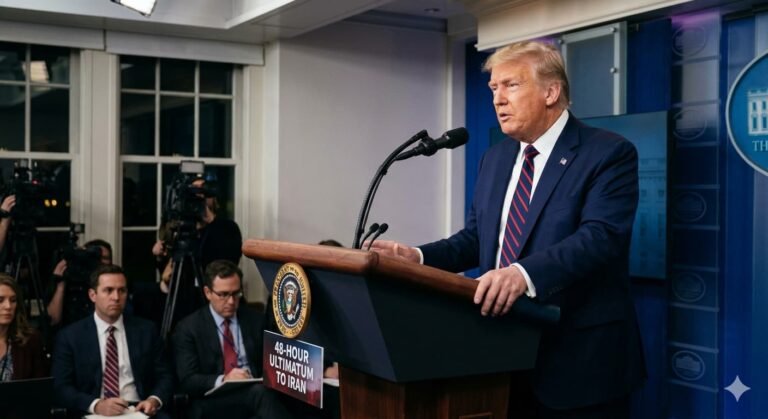
With the situation deteriorating, President Trump announced this week that he is considering deploying ICE agents to airports to supplement TSA staffing. The proposal immediately drew criticism from aviation security experts, who noted that ICE officers are not trained for the specific security screening procedures that TSA officers undergo. A union representing TSA workers called the idea a distraction from the real issue — paying TSA officers what they are owed.
The Senate attempted to pass a bill to fund DHS and end the shutdown on Friday. It failed again. No timeline for a resolution has been established by either party.
Pro Tips a Generic Article Would Miss
1. Book the first flight of the day. The earliest departures have the shortest lines — security has not yet backed up from the cascading delays that build throughout the day. A 6:00 AM flight is dramatically more reliable than a 10:00 AM flight right now.
2. Global Entry and TSA PreCheck lanes are still moving faster — but not immune. PreCheck lanes are shorter but not empty. If you are eligible and enrolled, use it. If you are not enrolled, the Global Entry processing backlog has been partially cleared — now is the time to apply for next time.
3. Check your specific airport before you leave the house. The MyTSA mobile app provides real-time wait time estimates. Note that its accuracy has been affected by the shutdown’s impact on TSA’s data systems — treat the estimates as directional, not precise, and add 30 minutes to whatever it shows.
Actionable Steps
Arrive at least 3 hours before departure at any major hub airport this week — not the standard two. Download the MyTSA app before you leave. Pack your carry-on bag to pass through screening without being stopped — no liquids over 3.4 oz, laptop out of bag, shoes easy to remove. If you have a connecting flight with less than 90 minutes between legs, call your airline now and ask to be rebooked on a connection with more buffer. Missing a connection during a staffing crisis is a problem that takes days to resolve.