
WASHINGTON, APRIL 7, 2026 —
The White House’s TrumpRx prescription drug program expanded Monday with the addition of two major pharmaceutical companies — AbbVie and Genentech — bringing the total number of drugs available at steep discounts to more than 61 medications for uninsured Americans who pay full price out of pocket.
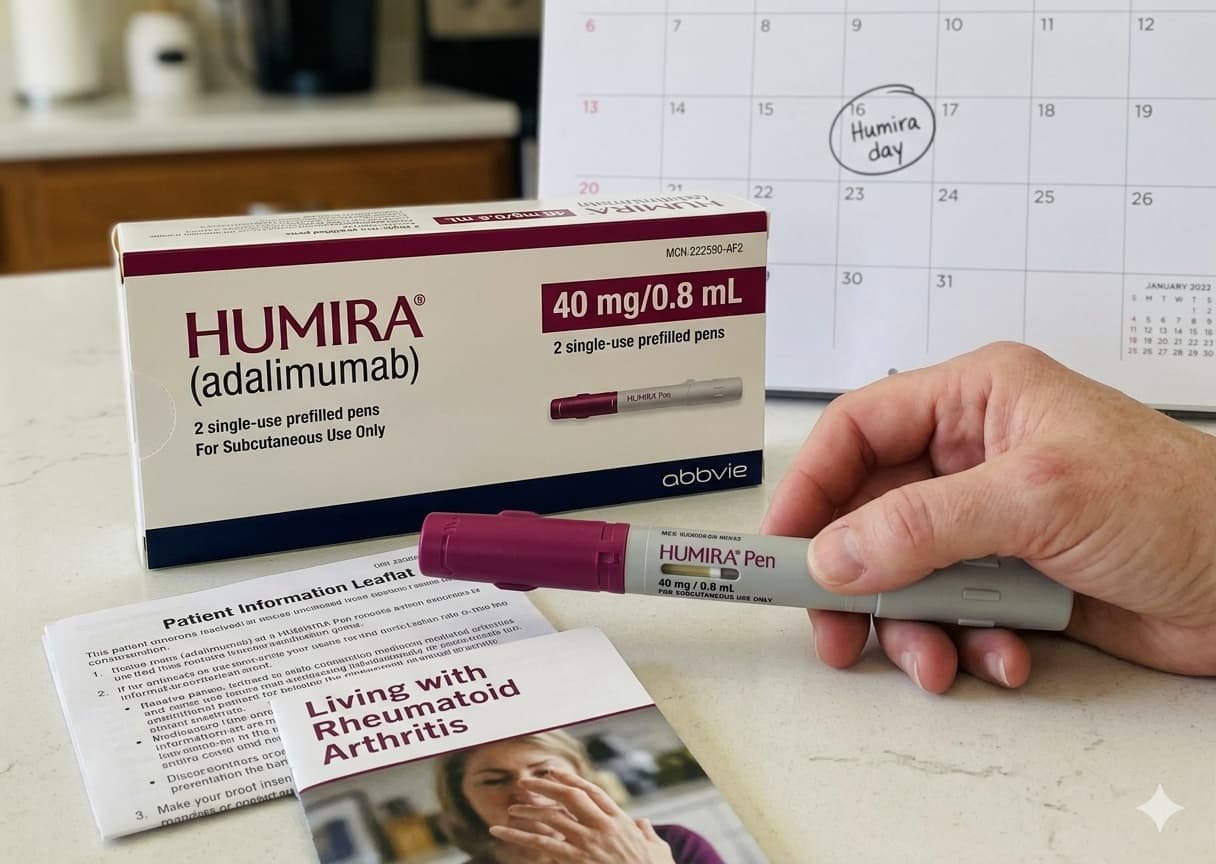
The most significant addition is Humira — AbbVie’s blockbuster drug used to treat rheumatoid arthritis, Crohn’s disease, and ulcerative colitis — now available through TrumpRx at an 86% discount off its list price. Humira has been one of the best-selling drugs in the world for over a decade, and its list price without insurance has historically exceeded $6,000 per month. The 86% reduction brings the out-of-pocket cost to approximately $840 per month for qualifying uninsured patients — still significant, but dramatically lower than what many Americans have been paying.
Genentech, a subsidiary of Roche, is joining with its single-dose flu treatment Xofluza, now priced at approximately $50 — down from $168. A third company, Amgen, is expanding its existing TrumpRx offerings to include the arthritis drug Enbrel and the plaque psoriasis medication Otezla.
What TrumpRx Is — and Who It Helps
TrumpRx launched in February 2026 as part of the administration’s Most Favored Nation drug pricing strategy — a policy requiring participating pharmaceutical companies to price their U.S. medications at levels comparable to the lowest prices those same drugs command in other developed countries, many of which have government-negotiated pricing that is substantially below U.S. list prices.
In exchange for agreeing to MFN pricing and participating in TrumpRx, pharmaceutical companies receive three-year exemptions from pharmaceutical import tariffs and protection from future government price mandates.
The critical limitation: TrumpRx discounts currently apply only to patients who are uninsured or whose insurance does not cover the specific medication — and who are paying the full list price out of pocket. Patients with commercial insurance typically already pay lower net prices through insurer negotiations. Patients on Medicaid and Medicare receive separate pricing structures through those programs.
A White House official told CBS News the administration is working to expand the program’s reach through the “Great Healthcare Plan” — which would allow patients on government insurance to use copays for TrumpRx drugs.
TrumpRx — What’s Available and at What Discount
| Drug | Condition | Company | List Price | TrumpRx Price | Discount |
|---|---|---|---|---|---|
| Humira | RA, Crohn’s, ulcerative colitis | AbbVie | ~$6,000+/month | ~$840/month | 86% |
| Xofluza | Flu (single dose) | Genentech | $168 | ~$50 | 70% |
| Enbrel | Rheumatoid arthritis | Amgen | ~$4,000+/month | TBD | TBD |
| Otezla | Plaque psoriasis | Amgen | ~$2,000+/month | TBD | TBD |
| Eliquis | Blood clots (Medicaid) | Bristol Myers Squibb | Free to Medicaid | Free | 100% |
| Paxlovid | COVID-19 | Pfizer | ~$1,400 | Discounted | ~80% |
The Bigger Picture — Sixteen Deals and Counting
The AbbVie and Genentech additions bring the total number of pharmaceutical companies participating in the TrumpRx/MFN program to eleven, out of seventeen major drugmakers the White House targeted last July. The sixteen deals struck so far include agreements with Pfizer, AstraZeneca, Eli Lilly, Novo Nordisk, Merck, GSK, Amgen, Bristol Myers Squibb, Novartis, Sanofi, Gilead, Boehringer Ingelheim, Johnson & Johnson, AbbVie, and Genentech.
Only Regeneron remains without a deal among the original seventeen companies.
Combined investment pledges from participating companies now exceed $500 billion in U.S. research, development, and manufacturing commitments over the next decade — part of the broader administration push to reshore pharmaceutical production and reduce dependence on foreign drug supply chains.
What critics say: Wall Street analysts have been more skeptical of the program’s real-world impact than the White House’s announcements suggest. William Blair analyst Matt Phipps described the deals as “pandering on carefully selected drugs” — noting that many of the discounted medications were already heavily rebated through insurer negotiations, meaning the TrumpRx prices represent a discount off list price but not necessarily off what most insured patients were already paying. The net savings for most Americans with insurance are minimal.
What supporters say: For the estimated 25 to 30 million uninsured Americans who pay list prices when they can afford treatment at all — or go without — the discounts are substantial and real.
How to Access TrumpRx
The TrumpRx program is accessible at TrumpRx.gov. Patients can browse available medications, check eligibility, and obtain prescriptions through participating pharmacies and telehealth providers. Humira and Xofluza begin shipping Monday, April 7.
Patients with insurance should check with their insurer first — in most cases, insurance copays will still be lower than TrumpRx prices. The program’s primary benefit is for the uninsured, underinsured, or patients whose specific medications are not covered by their plan.