
WASHINGTON, MARCH 25, 2026 —
The Iran war that nobody voted for, that has killed 13 Americans, pushed gas to $3.98 a gallon, and shaken the global economy for 25 days, may be approaching its most critical turning point yet. President Trump confirmed Tuesday that Vice President JD Vance and Secretary of State Marco Rubio are leading direct negotiations with Iran to end the fighting — and oil has already dropped below $100 a barrel on the news.
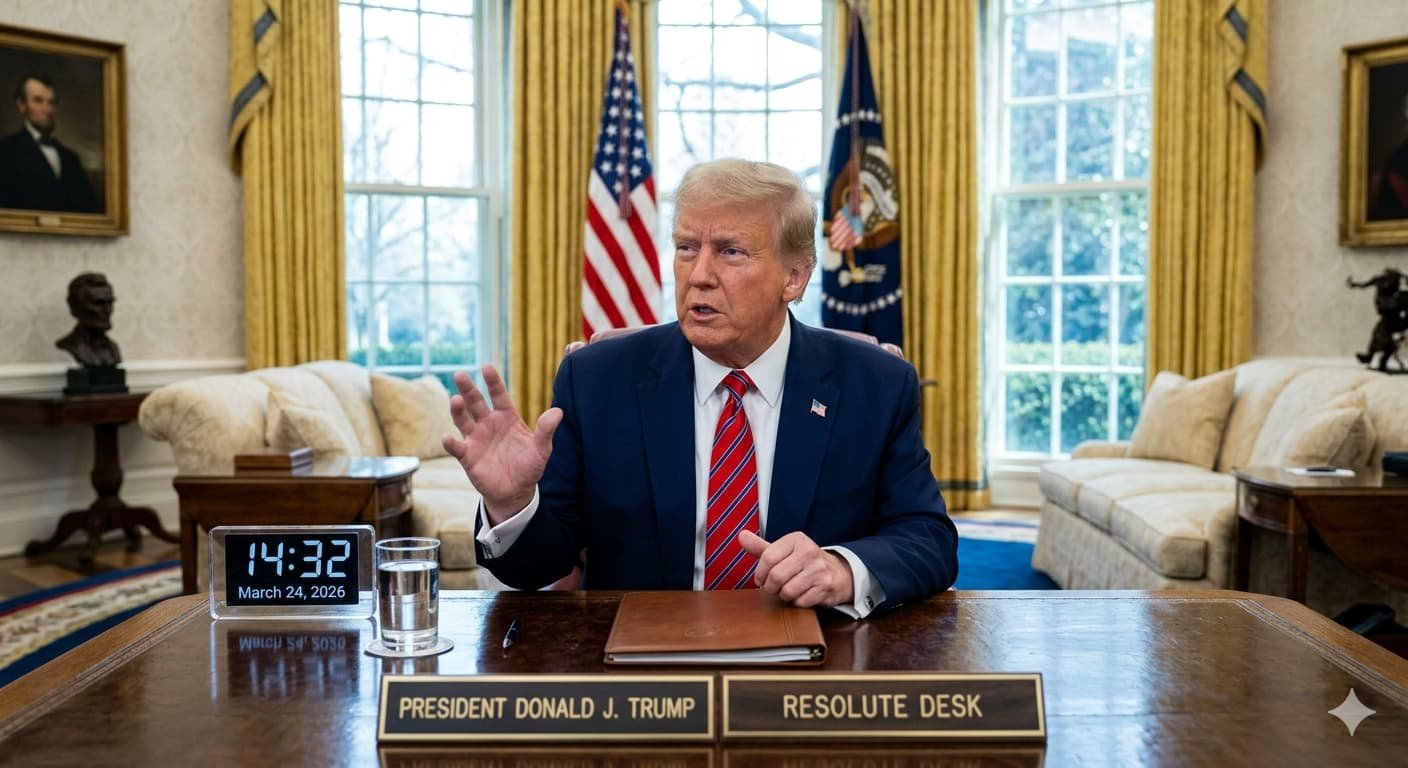
“We’re in negotiations right now,” Trump told reporters in the Oval Office Tuesday, adding that Vance, Rubio, special envoy Steve Witkoff, and Jared Kushner were all involved. He said Iran was “talking sense” and that Tehran had already agreed to one of America’s core demands — abandoning its nuclear weapons program. “They’ve agreed they will never have a nuclear weapon,” Trump said. “They’ve agreed to that.”
The 15-Point Plan
The New York Times reported Tuesday, citing two unnamed U.S. officials, that the United States has sent Iran a formal 15-point plan to end the war — delivered through Pakistan as an intermediary. The plan reportedly includes a proposed month-long ceasefire to allow formal negotiations to begin. Pakistani Prime Minister Shehbaz Sharif publicly offered to host peace talks between Washington and Tehran, a post Trump amplified on Truth Social — the closest thing to an official endorsement the White House offered.
Iran has not publicly acknowledged receiving the plan. Tehran’s foreign ministry and parliament speaker both denied last week that any negotiations with Washington were taking place. But Iranian officials, quoted by multiple outlets, have said they received proposals through intermediaries and are reviewing them. An Iranian source told CNN that Tehran is willing to listen to what it called “sustainable” proposals to end the war.
Why Iran Wants Vance — Not Witkoff
The diplomatic architecture behind Tuesday’s announcement is more complicated than Trump’s Oval Office remarks suggested. Iranian representatives sent word through back channels that Tehran does not want to negotiate with Witkoff or Kushner — both of whom Iran views with deep suspicion following the breakdown of pre-war talks. Instead, Iran specifically requested engagement with Vance, whom regional sources described as more sympathetic to ending the conflict.
“The perception is that Vance would be intent on wrapping up the conflict,” one regional source told CNN. Trump confirmed that Vance was now leading the effort — a remarkable diplomatic pivot for a Vice President who had initially expressed serious reservations about the war before eventually backing it.
Hegseth’s Reaction — and What It Reveals
Not everyone in the administration welcomed the diplomatic turn. Trump revealed Tuesday that Defense Secretary Pete Hegseth was “quite disappointed” by the prospect of negotiations — and that Hegseth and Joint Chiefs Chairman General Dan Caine were “the only two people that were quite disappointed.” Trump praised their reluctance as a “good attitude” while simultaneously moving forward with talks.
“They were not interested in settlement,” Trump said. “They were interested in just winning this thing.”
The comment offered a rare public window into the fractured debate inside Trump’s war cabinet — between officials who want total military victory and those who believe a negotiated exit is the only realistic path forward.
Iran’s “Present” — And What Trump Said About It
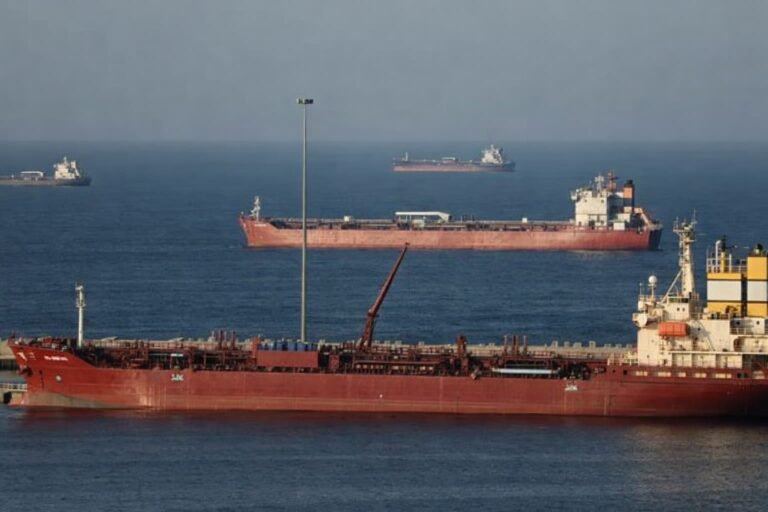
Trump added a cryptic dimension to Tuesday’s announcement, telling reporters Iran had given the United States a “very big present” related to “oil and gas” — worth what he described as “a tremendous amount of money.” He declined to elaborate. Iranian officials did not comment. Analysts speculated the gift could involve commitments around Strait of Hormuz transit rights, South Pars gas field operations, or Iranian oil barrels currently stranded at sea.
Whatever it was, markets responded immediately. Brent crude fell close to 6% to $98.30 per barrel — dropping below $100 for the first time since the war began — while West Texas Intermediate dropped roughly 5% to $87.72. The national average gas price stood at $3.98 per gallon Tuesday. If talks succeed and the Strait of Hormuz fully reopens, economists project gas prices could return to the low $3 range within weeks.
The War Continues — Even As Talks Begin
None of Tuesday’s diplomatic movement stopped the fighting. Iran hit targets in Israel and Iraq even as U.S. officials insisted Tehran’s missile program had been seriously degraded. A drone struck a fuel tank at Kuwait International Airport, causing a fire. Israel launched new airstrikes in Tehran. Iranian missiles were intercepted over central Israel for the ninth time in a single day. And the U.S. military confirmed that approximately 1,000 soldiers from the Army’s 82nd Airborne Division were deploying to the Middle East — even as Trump insisted negotiations were underway “right now.”
The war that may be ending is still very much being fought. But for the first time in 25 days, both sides are at least reading from the same 15-point document.