
By Harshit
WASHINGTON, FEBRUARY 7, 2026
US President Donald Trump has signed a new executive order warning that the United States could impose additional tariffs on countries that continue to trade with Iran, escalating economic pressure as Washington pushes Tehran to curb its nuclear ambitions.
The order, signed Friday, authorizes tariffs on goods imported into the US from any country that “directly or indirectly purchases, imports, or otherwise acquires any goods or services from Iran.” While it does not mandate a specific rate, the document cites a 25% tariff as an example, leaving the final scale to presidential discretion.
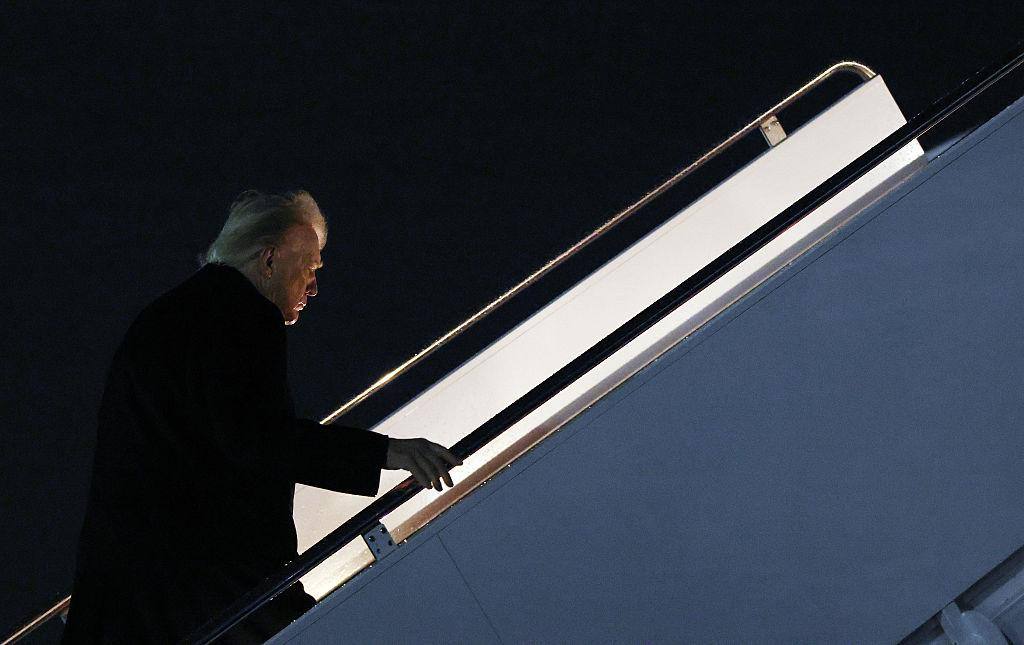
Trump has not publicly elaborated on the order, but reiterated his long-standing demand that Iran must have “no nuclear weapons” while speaking to reporters aboard Air Force One late Friday.
Executive Order Reaffirms Pressure Campaign
The White House said the measure reaffirms an “ongoing national emergency with respect to Iran,” and gives the president flexibility to increase or modify tariffs if circumstances change.
“The President is holding Iran accountable for its pursuit of nuclear capabilities, support for terrorism, ballistic missile development, and regional destabilization that endanger American security, allies, and interests,” the statement said.
Trump had previewed the move earlier this year, writing on Truth Social in January that any country doing business with Iran would face a 25% tariff on trade with the United States. At the time, no formal mechanism was announced.
There was no immediate response from Iranian officials to Friday’s executive order.
Talks in Oman Mark Rare Diplomatic Opening
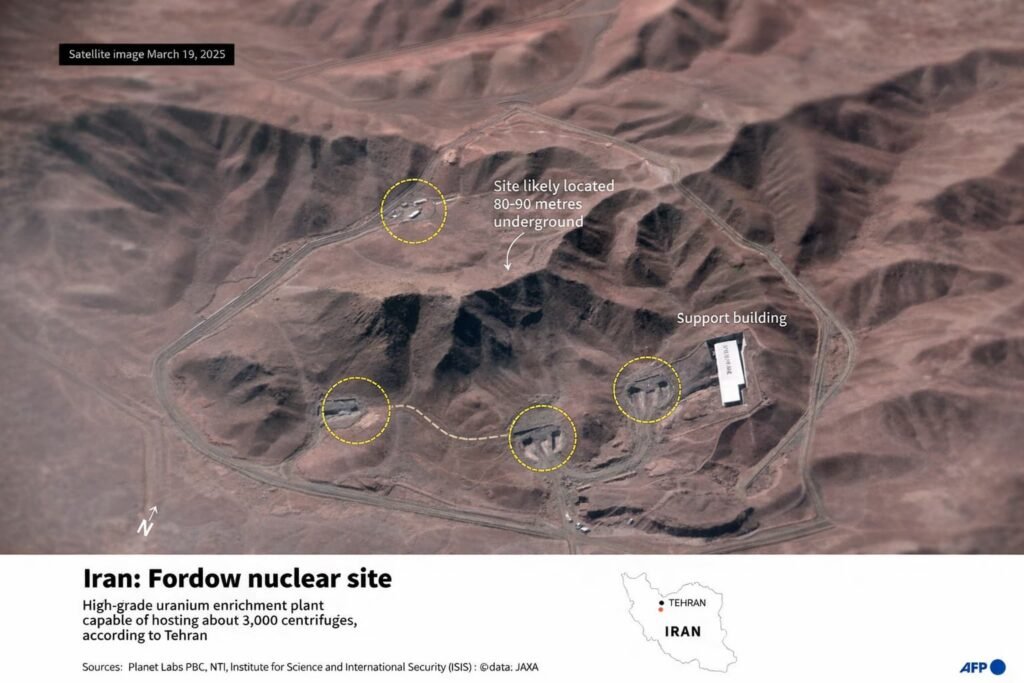
The tariff threat comes as senior US and Iranian officials hold talks in Oman, the first such engagement since last June, when US forces struck three major Iranian nuclear facilities.
The Iranian delegation is led by Foreign Minister Abbas Araghchi, while the US team includes special envoy Steve Witkoff and Trump’s son-in-law Jared Kushner.
Speaking aboard Air Force One, Trump described Friday’s talks as “very good,” saying Iran “looks like it wants to make a deal very badly.” He warned, however, that failure to reach an agreement would carry “very steep” consequences, and confirmed another meeting is expected early next week.
Oman’s foreign minister, who is mediating the discussions, said the talks were useful in clarifying positions and identifying areas where progress might be possible.
Araghchi called the discussions “a good start,” adding that a “positive atmosphere prevailed” before negotiators returned to their capitals for further consultations.
Rising Tensions and Military Posturing
Despite the diplomatic channel, tensions remain high. Trump has repeatedly warned that Iran’s Supreme Leader should be “very worried” if negotiations collapse, and has said he is prepared to order military strikes if Tehran refuses to limit its nuclear program.
Iran insists its nuclear activities are entirely peaceful and denies seeking nuclear weapons.
The US has also increased its military footprint in the region. Trump has referred to a “massive armada” deployed amid concerns over Iran’s violent crackdown on nationwide anti-government protests last month. Human rights groups estimate that thousands may have been killed, though the full scale remains unclear due to internet restrictions imposed by Iranian authorities since early January.
As talks continue, the administration’s dual-track approach — diplomacy backed by economic and military pressure — underscores how narrowly balanced the US-Iran standoff has become.