Trump’s Second-Term Volatility Deepens as Impulsive Moves Eclipse Early Discipline
By Harshit
WASHINGTON, FEBRUARY 9, 2026
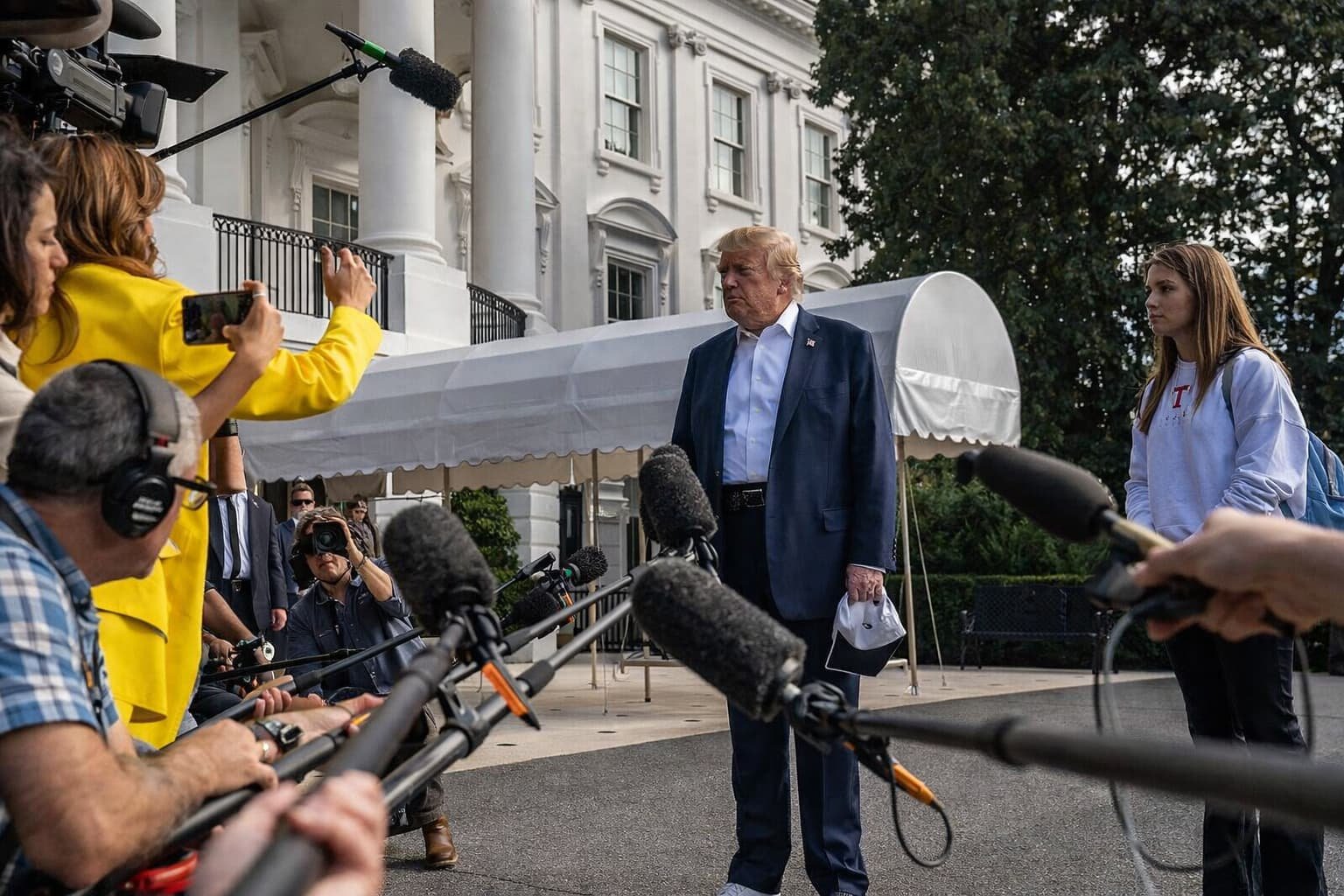
US President Donald Trump is increasingly governing by instinct rather than strategy, as the disciplined rollout that defined the early months of his second term gives way to erratic decisions, political whiplash, and mounting public unease.
In the opening phase of his return to office, Trump’s administration executed a tightly scripted agenda. Executive orders reshaped Washington’s bureaucracy, dismantled parts of the federal government, shuttered USAID, and targeted elite universities — controversial moves, but ones rooted in a playbook developed during his four years out of power.
That discipline now appears to be fraying.
A Week That Captured the Chaos
The past week alone underscored the volatility defining Trump’s presidency in a midterm election year. The most explosive moment came when a video reposted on Trump’s Truth Social account depicted former President Barack Obama and former First Lady Michelle Obama as apes — imagery widely condemned as racist.
Trump later said he had not seen the offensive clip and refused to apologize. The White House initially dismissed criticism as “fake outrage” before quietly removing the post and blaming a staffer. Republican backlash, including from Senator Tim Scott, forced a retreat — one of several instances where political reality has checked Trump’s impulses.
At the same time, Trump reignited his long-standing fixation with the 2020 election. US Director of National Intelligence Tulsi Gabbard traveled to Georgia as federal authorities executed a search warrant at the Fulton County Election Hub, fueling fears that Trump could seek to nationalize election oversight ahead of November’s midterms.
Immigration Crackdown and a Tactical Rebrand
Confusion has also surrounded Trump’s immigration enforcement push. After two US citizens — Renée Good and Alex Pretti — were shot by federal agents in Minnesota, Trump abruptly called for a “softer touch.” The administration announced the withdrawal of roughly 700 ICE agents from Minneapolis and the rollout of body cameras.
Democrats argue the shift is cosmetic. The deployment itself followed Trump’s repeated demands for a more militarized approach to immigration enforcement, sending agents into city streets and igniting protests.
House Minority Leader Hakeem Jeffries said Democrats will attempt to use an upcoming Department of Homeland Security funding fight to impose limits on ICE operations, warning that public confidence has been shaken by aggressive tactics.
Republicans, however, are resisting any new constraints, setting up a potential government shutdown showdown.
Personal Legacy, Public Disconnect
Trump’s fixation on legacy has also intensified. Reports last week said he wants Washington’s Dulles International Airport and New York City’s Penn Station renamed after him. On Truth Social, he lashed out at Super Bowl halftime performer Bad Bunny, calling the show an “Affront to the Greatness of America,” and attacked Olympic skier Hunter Hess for distancing himself from US politics.
Occasionally, Trump pivots back to conventional governance. He recently unveiled a TrumpRx initiative aimed at lowering prescription drug prices, though analysts say the plan is far narrower than his rhetoric suggests.
Still, polling indicates growing skepticism. A CNN survey last month found just 36% of Americans believe Trump has the right priorities, down sharply from earlier in his term. Only one-third said they believe he cares about people like them — the lowest figure of his political career.
When Rhetoric Becomes Policy
Trump’s second term has repeatedly shown how impulsive rhetoric can harden into policy. His January demand that Denmark cede Greenland to the United States nearly fractured NATO before European resistance and Republican concern forced a retreat.
Similar dynamics now define his approach to tariffs, elections, and immigration: a burst of extreme rhetoric followed by hurried efforts by aides to justify or soften its impact.
The question heading into the midterms is whether voters will rein Trump in — or reward his push for unchecked power. Equally uncertain is whether Trump would accept an electoral rebuke.
What is increasingly clear is that volatility, once a defining trait of Trump’s political brand, has become the governing principle of his second term.