
By Harshit
WASHINGTON, JANUARY 29, 2026
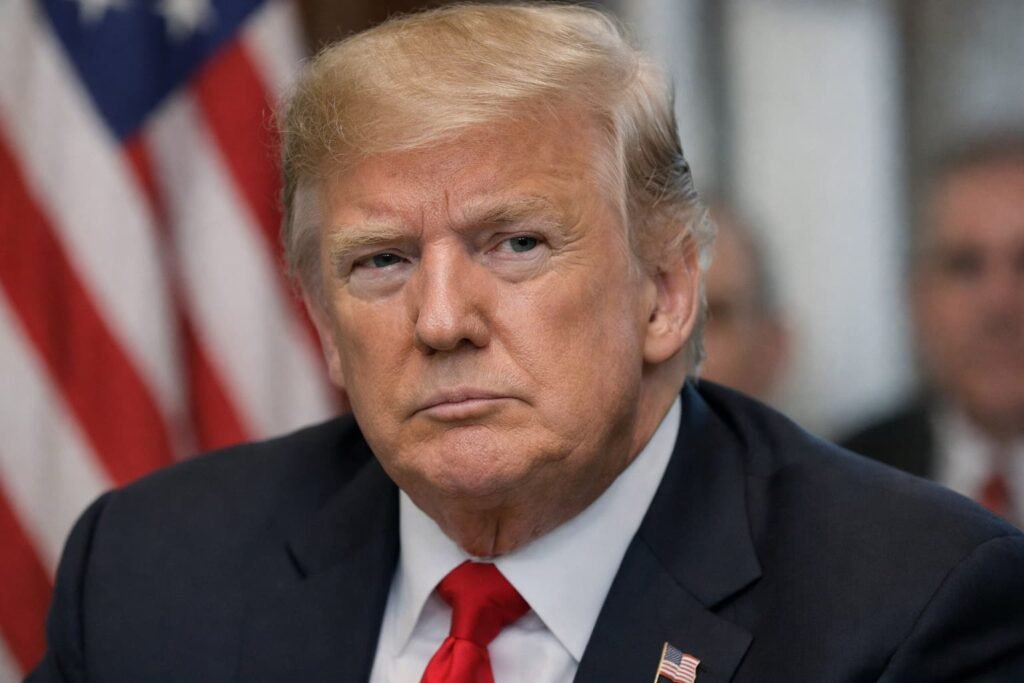
President Donald Trump is weighing a significant new military strike on Iran after back-channel discussions aimed at limiting Tehran’s nuclear and ballistic missile programs failed to make progress, according to people familiar with the matter.
The renewed threat of force marks a sharp escalation in U.S.–Iran tensions and comes as American military assets move closer to the region, expanding the president’s options if he decides to act.
Talks Collapse as Rhetoric Sharpens
U.S. and Iranian officials had exchanged messages earlier this month through intermediaries, including Omani diplomats, as well as contacts involving Trump’s foreign envoy Steve Witkoff and Iran’s foreign minister Abbas Araghchi, sources said.
Those discussions explored whether a meeting could avert U.S. military action. While an in-person encounter was briefly considered, it never materialized. There are currently no serious negotiations underway, according to multiple people familiar with the exchanges.
On Wednesday, Trump publicly demanded that Iran accept a deal ensuring “NO NUCLEAR WEAPONS,” warning that any future U.S. strike would be “far worse” than last summer’s attack on Iranian nuclear facilities.
Military Options Expand
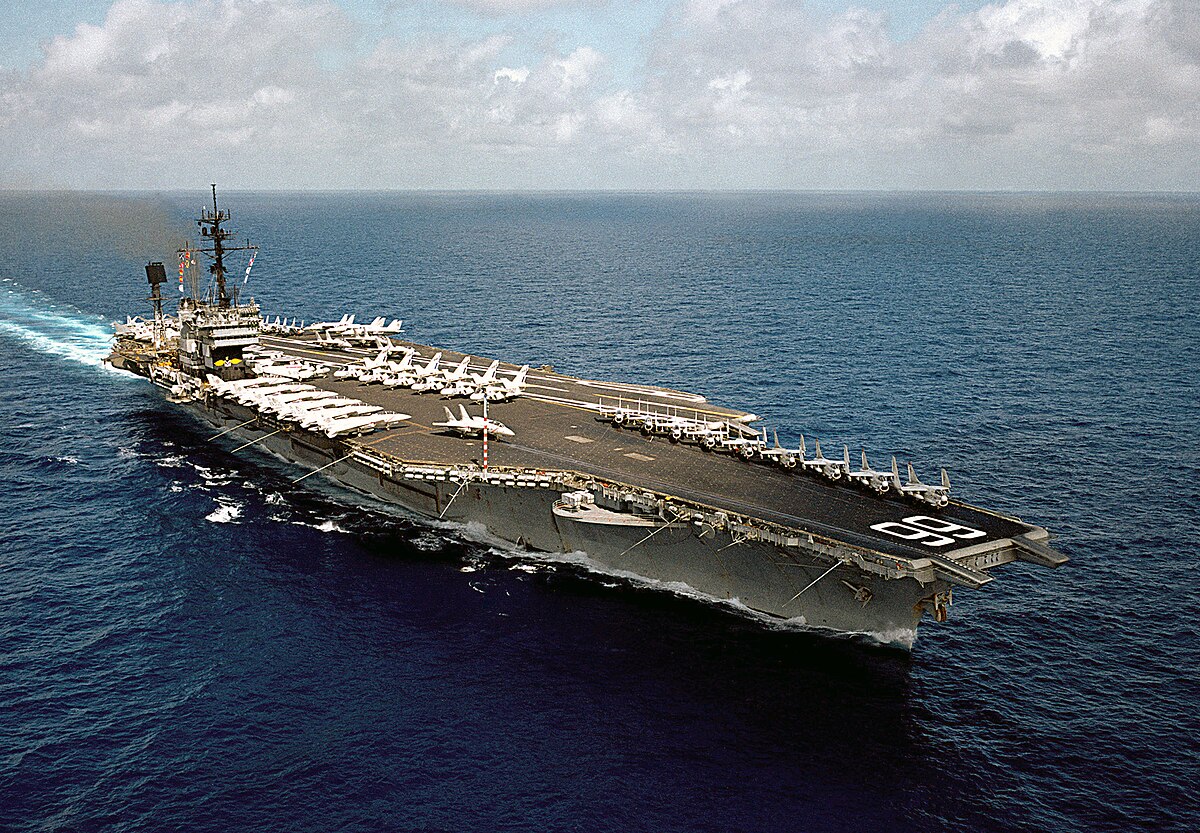
Officials say Trump is now considering a range of options, including targeted airstrikes against Iranian leadership and security officials, as well as renewed strikes on nuclear sites and key government institutions. No final decision has been made.
The presence of the USS Abraham Lincoln Carrier Strike Group, which entered the Indian Ocean this week, has significantly expanded U.S. operational flexibility. The carrier group could support offensive strikes or help defend regional allies against retaliation.
In parallel, the U.S. has moved additional air-defense systems into the region, including Patriot batteries, and is preparing to deploy THAAD missile defenses to protect American forces and partners.
Iran Warns of Immediate Retaliation
Iranian leaders reacted angrily to the renewed threats. Araghchi said Iran’s armed forces are prepared to respond “immediately and powerfully” to any attack on the country’s territory, airspace or waters.
A senior adviser to Ayatollah Ali Khamenei, Ali Shamkhani, warned that any U.S. military action would be treated as the start of a broader war and vowed an unprecedented response, explicitly naming Tel Aviv as a potential target.
Tehran has also rejected U.S. demands to limit the range of its ballistic missiles, insisting it will only discuss its nuclear program. That impasse has left both sides at a diplomatic dead end.
Nuclear Focus Returns

The administration’s renewed focus on Iran’s nuclear program comes despite Trump’s earlier claim that U.S. strikes had “obliterated” key facilities. U.S. intelligence assessments now indicate Iran has been rebuilding parts of its program deeper underground while continuing uranium enrichment and blocking inspections by the UN nuclear watchdog.
Washington has demanded sweeping preconditions for talks, including a permanent end to enrichment, strict missile limits and a halt to support for regional proxy groups. Iranian officials have rejected those terms.
Regime Under Pressure, Outcome Uncertain
Recent intelligence briefings suggest Iran’s leadership is in a historically weak position following last year’s U.S. and Israeli strikes and the nationwide protests that erupted earlier this month. Trump has openly floated the idea of new leadership in Tehran.
Secretary of State Marco Rubio told lawmakers this week that Iran’s regime is “probably weaker than it has ever been.” Still, analysts caution that removing Khamenei would not guarantee the collapse of the system, which remains controlled by hardliners and loyal security forces.
Allies Urge Restraint
Key U.S. partners, including Saudi Arabia and the United Arab Emirates, have ruled out allowing their airspace or territory to be used for an attack on Iran. Gulf states and Turkey have privately warned both Washington and Tehran that a regional war would be destabilizing and unpredictable.
Iran’s military capabilities — including air defenses, ballistic missiles and attack drones — complicate any effort to deliver a swift, decisive blow. Unlike past covert operations elsewhere, a strike on Iran would pose far greater operational and geopolitical risks.
For now, officials say all options remain on the table. Trump, according to aides, is seeking a show of overwhelming force that could compel Tehran to accept U.S. terms quickly — but the path to such an outcome remains deeply uncertain.