
By Harshit
LOS ANGELES, NOVEMBER 26, 2025, 10 AM EDT
The United States is facing its busiest Thanksgiving travel period in 15 years, with millions of people hitting the road and crowding into airports nationwide in a holiday rush complicated by weather disruptions, long security lines, and heightened pressure on airlines and transportation staff. According to the Federal Aviation Administration and AAA, more than 73 million people are expected to drive, and at least 6 million will fly between Tuesday and Sunday, forming what transportation analysts say is the largest travel surge since before the 2010 holiday season.
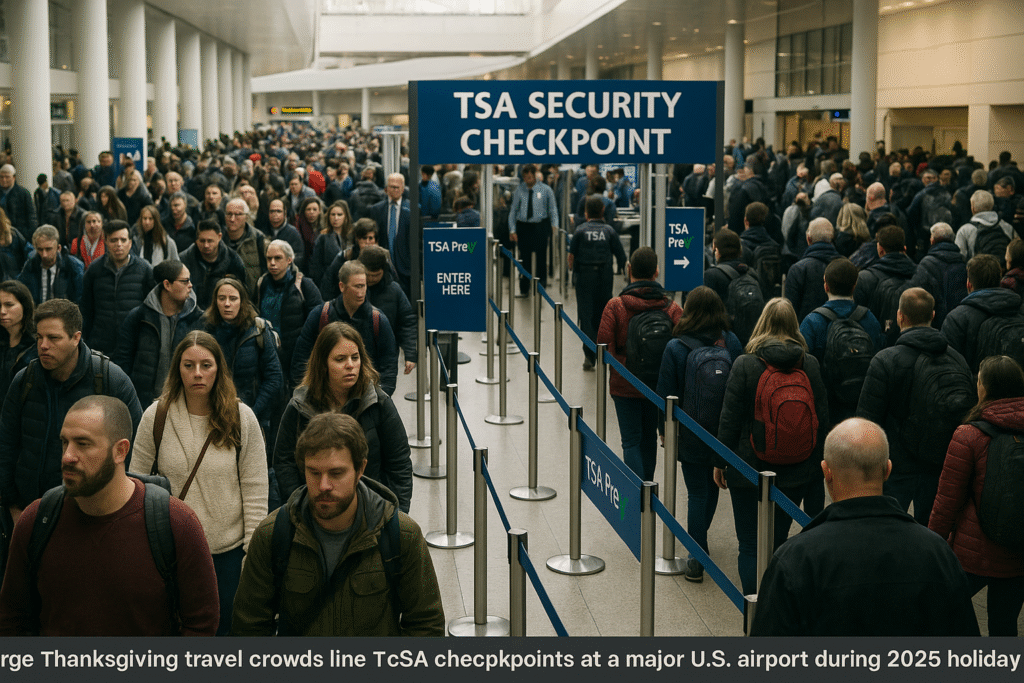
Airports in major hubs — from Washington to Chicago to Los Angeles — saw heavy lines as early as sunrise Wednesday. Airlines added extra flights, extended staffing rotations, and reopened underused terminals to handle the influx. Meanwhile, winter weather across the Midwest and lake-effect snow near the Great Lakes created ripple delays affecting routes across the country.
CNN aviation correspondent Pete Muntean, reporting from Washington’s Reagan National Airport, said the crowds were “some of the busiest we’ve seen since early this year,” adding that parking garages were filling up hours earlier than expected. A ground stop at Reagan National due to low cloud ceilings caused temporary delays, reinforcing concerns about how weather could shape one of the most heavily traveled days of 2025.
With millions anxious to reach their destinations — from family gatherings to holiday dinners — safety, timing, etiquette, fuel savings, and luggage fears are top of mind for travelers navigating the chaotic Thanksgiving rush.
Record Numbers Hit the Skies and Highways
AAA estimates that over 81 million Americans are traveling in some capacity this Thanksgiving week, with more than 90% driving to their destinations. Alison Taylor of AAA noted that lower gas prices, steady employment, and pent-up desire for in-person holiday celebrations continue to push numbers upward.
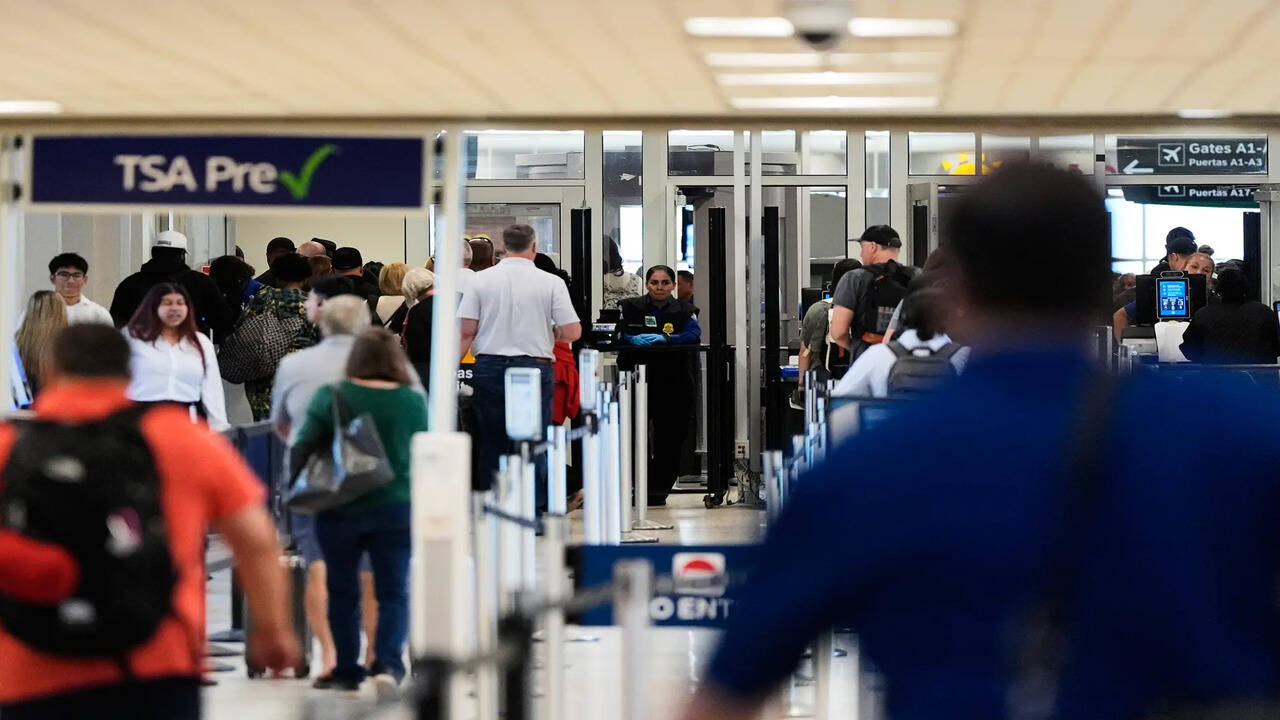
Air travel has also surged back to near record levels. TSA officials prepared to screen close to 3 million passengers per day, placing this year among the busiest in TSA history. Airports in New York, Chicago, Atlanta, Dallas, and Los Angeles reported longer-than-usual security lines throughout the day Wednesday, with some terminals approaching capacity during early morning departures.
Despite the volume, airline operations held up reasonably well on Tuesday and early Wednesday, with the FAA reporting only scattered delays — a notable achievement after months of air traffic control staffing shortages caused by the recent government shutdown.
Still, the potential for rapid weather shifts remains a top concern.
Snow, Ice and Arctic Air Threaten Thanksgiving Plans


A powerful blast of Arctic cold swept across the Midwest and northern Plains this week, bringing more than half a foot of snow to parts of Minnesota, Wisconsin, and the Dakotas. Wind gusts over 40 mph hit Minneapolis–St. Paul as the region experienced its first accumulating snowfall of the season.
The same system triggered lake-effect snow warnings across northeastern Ohio, northwestern Pennsylvania, and western New York, where narrow snow bands could produce up to 20 inches in localized areas. Some parts of northern Wisconsin and Michigan’s Upper Peninsula were under blizzard warnings, with snow totals forecasted between 20 and 30 inches.
Temperatures will plummet to 20 degrees below seasonal averages, meaning holiday travelers in much of the central and eastern U.S. will face bitter cold through Friday morning.
The combination of freezing temperatures, slick roads, and possible flight disruptions has prompted state officials to warn drivers to proceed cautiously, especially during late-night or early-morning travel.
Airline Etiquette Reminders Make Rounds as Planes Fill Up
In the tight quarters of crowded airplanes, tension often rises — especially on one of the busiest travel days of the year. Aviation experts and flight attendants shared several reminders to ensure smoother travel for everyone on board:
- Greet your flight crew: A simple hello to staff dealing with long shifts can go a long way.
- Use your words, not your hands: Don’t tap or grab flight attendants — speak up calmly if you need assistance.
- Respect the middle-seat rule: The middle-seat passenger gets both armrests.
- Keep your shoes on: A basic but frequently violated courtesy.
- Avoid strong-smelling foods: Particularly important on full flights.
- Parents and passengers need patience: Parents should monitor kids closely, while other passengers should show empathy.
- Seat reclining etiquette: Even if pro-recline, always tilt upright during meal service.
Experts say these small habits help reduce conflict during already stressful travel days.
How to Keep Your Luggage Safe: Expert Tips
With airports crowded and luggage systems operating under heavy loads, fears of missing bags loom large. Travel experts offered several recommendations:
- Use a carry-on when possible, especially on short trips or layover-heavy itineraries.
- Tag your luggage inside and out to ensure identification even if outer tags fall off.
- Know what your bag looks like — size, color, model — to speed up claims.
- Consider a Bluetooth tracker like an AirTag for real-time location data.
- Arrive early — last-minute checked bags are more likely to be misrouted.
- Always verify your baggage tag destination before handing over your suitcase.
If a bag does go missing, the Department of Transportation outlines compensation standards that require airlines to reimburse travelers for lost or delayed luggage up to a set federal limit.
Driving? AAA Shares Fuel-Saving Tips for the Road
With 73 million travelers expected on the roads, even small fuel savings can make a difference. AAA shared several strategies for reducing fuel consumption:
- Reduce speed: Fuel economy drops significantly above 50 mph due to aerodynamic drag.
- Accelerate gradually: Smooth driving helps the engine shift efficiently.
- Coast to slow down: Avoid hard braking when approaching stops.
- Prevent idling: Warming up the engine by idling wastes fuel.
- Check tire pressure: Under-inflated tires reduce fuel economy and increase risk.
- Remove unnecessary weight such as roof racks and cargo boxes.
Experts say these steps can improve gas mileage and maintain vehicle longevity, especially during long-distance holiday travel.
FAA Ground Stop Highlights Ongoing Weather Risks
Early Wednesday morning, low cloud ceilings in Washington, D.C. forced the FAA to issue a ground stop for inbound flights to Reagan National Airport until 8:30 a.m. ET. While short-lived, the halt created longer lines at TSA checkpoints as frustrated travelers waited for updated departure times.
Conditions improved later in the morning, but the incident was a reminder of how quickly weather can disrupt even well-prepared travel systems.
A Travel Period Marked by High Volume and Heightened Expectations
Transportation forecasters say that despite high volumes, the country’s travel infrastructure is performing better than in recent years. Airlines have staffed more aggressively, TSA has expanded overtime authorizations, and airports have implemented crowd-control strategies earlier in the week.
Still, for millions of Americans navigating traffic jams, delayed flights, cold temperatures, or cranky fellow passengers, the journey remains challenging. With parades, reunions, and late-night dinner preparations waiting at the other end, the pressure to arrive on time only adds to the stress.
CNN will air its holiday special, “Thanksgiving in America,” on Thursday starting at 8 a.m. ET, featuring highlights from parades across the country — a celebratory conclusion to one of the busiest travel weeks of the year.