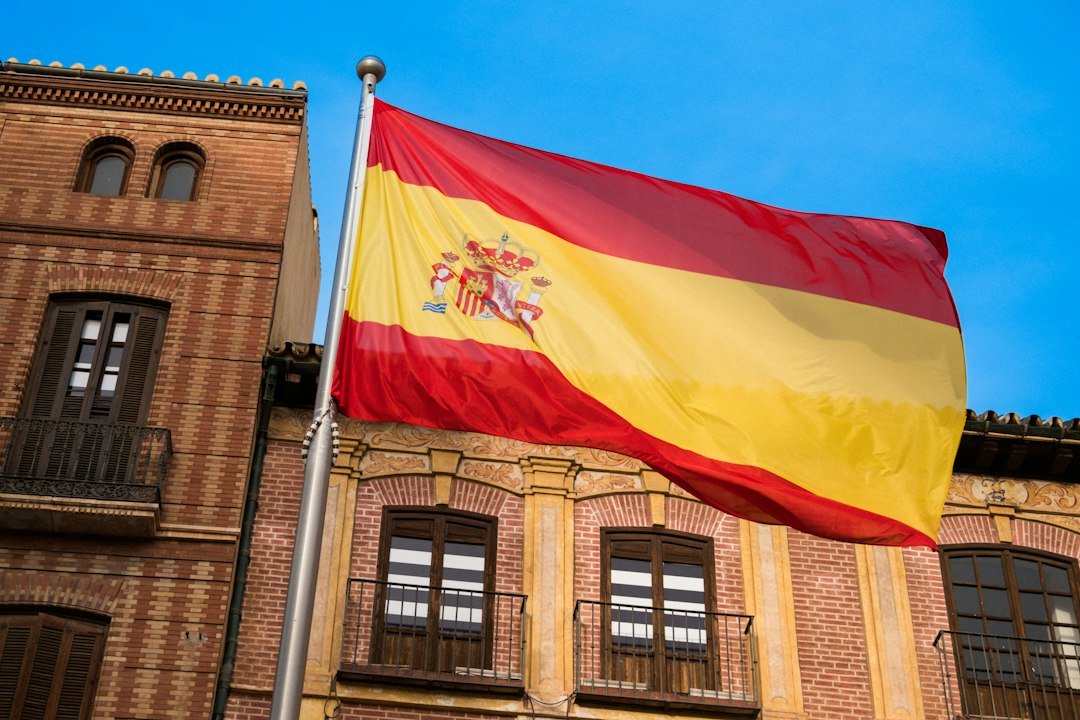

Photo by Chris Boland on Unsplash
Spanish Prime Minister Pedro Sánchez announced early general elections on Monday, October 5, 2026, after his government suffered a legislative defeat the previous week on emergency measures related to the country’s housing crisis. The election will be held on November 29, bringing the current parliamentary term to an end more than six months ahead of schedule.
The announcement followed a tense weekend of political maneuvering. Sánchez made the decision after informing the head of state and convening an extraordinary meeting of the Council of Ministers to dissolve Parliament and call a general election. He spent the weekend in consultations while a migration crisis in Ceuta and corruption cases involving figures close to his Socialist Party added pressure on his government.
Housing Decrees Collapse in Parliament
Right-wing opposition parties joined forces to scuttle two emergency decrees introduced by Sánchez’s government that included measures to reduce evictions and real estate speculation. The lower house voted down the housing measures on Friday despite last-minute negotiations to secure enough support. The defeat left Sánchez’s government without a clear path forward on one of its central policy priorities, forcing his hand toward an early vote.
Housing has become the defining political issue in Spain over the past month. In recent weeks, Spaniards have demanded solutions from the government over housing affordability, holding protests in cities across the country after public outrage grew over the televised eviction of an 87-year-old woman in Madrid last month. The eviction that sparked protests involved an 87-year-old resident of Madrid’s Retiro neighborhood, known as Maricarmen, whose case became a symbol of the country’s housing emergency. Images of her removal from her home circulated widely and galvanized demonstrators demanding tougher protections for tenants and stricter limits on speculative real estate practices.
The failed decrees would have addressed exactly those concerns, aiming to curb evictions and rein in speculation in a housing market that has grown increasingly unaffordable for ordinary Spaniards. Their rejection in Parliament effectively stripped the government of its main legislative response to the crisis just as public anger was reaching its peak.
Sánchez Appeals for Renewed Mandate
In a televised address, Sánchez explained his reasoning for sending voters back to the polls. “We need to renew people’s support,” he said. He framed the election as an opportunity to strengthen his position rather than simply react to the parliamentary setback.
Sánchez said he wants to “mobilize and win a much larger progressive majority in parliament, one that will allow us to overcome vested interests, deliver new social advances and continue transforming Spain.” The statement signaled his intention to campaign on an ambitious platform despite the defeat that triggered the vote.
He did not shy away from acknowledging the government’s shortcomings. Sánchez acknowledged having made mistakes and falling short of previous campaign promises, saying “part of that social majority is dissatisfied today.” The admission reflects the difficult position he faces heading into the campaign, as he must simultaneously defend his record and convince disillusioned supporters that another term would bring different results.
The corruption cases involving figures close to his Socialist Party have compounded those challenges, feeding into broader narratives about government dysfunction even as the migration situation in Ceuta added another layer of pressure during the weekend deliberations that preceded Monday’s announcement.
A Pivotal Vote for Spain’s Political Direction
The stakes of the November 29 election extend well beyond housing policy. Opinion polls suggest that a coalition led by the conservative People’s Party, with support from the far-right Vox party, is the most likely outcome in the election. Such a result would mark a significant shift in Spain’s political landscape.
If the Popular Party and Vox win, it would be the first time since the death of dictator Francisco Franco that a far-right party has been part of governing Spain. That historical weight adds considerable significance to a vote that, on its surface, was triggered by a dispute over eviction rules and real estate regulation.
For Sánchez, the election represents both a gamble and a necessity. Having lost the parliamentary battle over housing, he is betting that voters will grant him a stronger mandate to pursue the social agenda he has championed, including protections for tenants like Maricarmen whose case became a rallying point for protesters nationwide. Yet the polling environment suggests that strategy carries real risk, given the apparent momentum behind the conservative-nationalist alliance.
The coming weeks of campaigning will likely center on housing affordability, the government’s handling of corruption allegations, and broader questions about Spain’s political direction. With the term ending six months early and an historic possibility of far-right participation in government on the table, the November 29 vote is shaping up as one of the most consequential in Spain’s recent democratic history.
- Election date: November 29, 2026
- Trigger: Defeat of housing decrees on evictions and speculation
- Key symbol: Eviction of 87-year-old Maricarmen in Madrid’s Retiro neighborhood
- Polling outlook: Possible PP-Vox coalition victory
The timeline until polls open leaves little room for Sánchez to reverse the narrative, but his address made clear he intends to try.